
The Golden Stool: Ghana's Sacred Symbol of National Soul and Unity
By: Chimdindu Ken-Anaukwu
Imagine a single object so sacred that an entire nation would go to war rather than let a foreigner sit on it. For the Asante people of Ghana, that object is the Golden Stool, known in Twi as Sika Dwa Kofi. This isn't just a throne; it's believed to hold the very soul of the Asante nation. In this guide, you'll learn its legendary origin, why no one ever sits on it, its central role in Asante identity, and how it still unites people today.
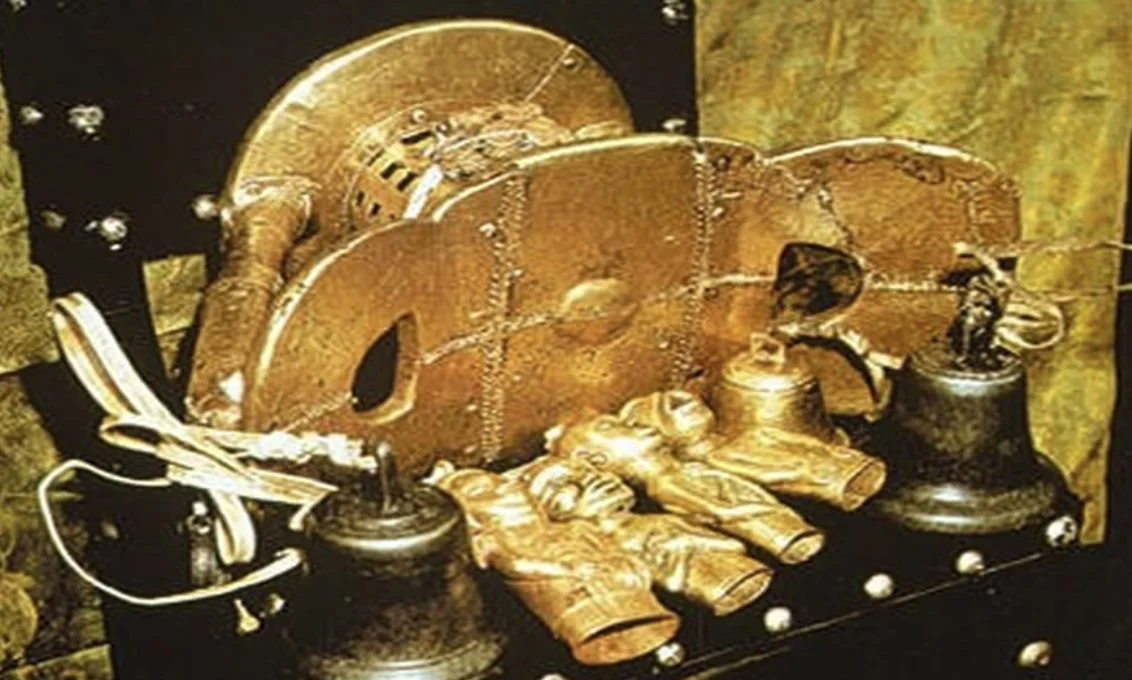
Smarthistory – Golden Stool (Sika dwa kofi), Asante peoples
What Is the Golden Stool?
The Golden Stool, or Sika Dwa Kofi ("Golden Stool born on Friday"), is the royal and divine throne of the Asante people.
Made of wood covered in gold, with cast-gold attachments and bells, it measures about 18 inches high, 24 inches long, and 12 inches wide.
It never touches the ground—always placed on its own special stool or blanket.
In Asante belief, it houses the sunsum (soul or spirit) of the nation: living, dead, and yet to be born.
This makes it more sacred than any king. The Asantehene (king) derives authority from it, but the stool itself is the true symbol of power.
The Legendary Origin: Descent from the Sky
Around 1700, the Asante were forming a unified confederacy under Osei Tutu, the first Asantehene.
His chief priest and advisor, Okomfo Anokye, performed a ritual to legitimize this new nation.
Legend says Anokye summoned the Golden Stool from the heavens. It descended in a cloud and landed gently on Osei Tutu's lap (or at his feet, in some accounts).
This miracle unified scattered Akan chiefdoms. The stool embodied the collective spirit, binding everyone under one leadership.
Anokye declared that the nation's strength depended on protecting it. If lost or destroyed, chaos would follow.
Friday-born aspect ties to Akan beliefs; Friday links to fertility, riches, and gold.
Why No One Sits on the Golden Stool
No person, king included, ever sits on it.
It represents the nation's soul, not any individual's seat.
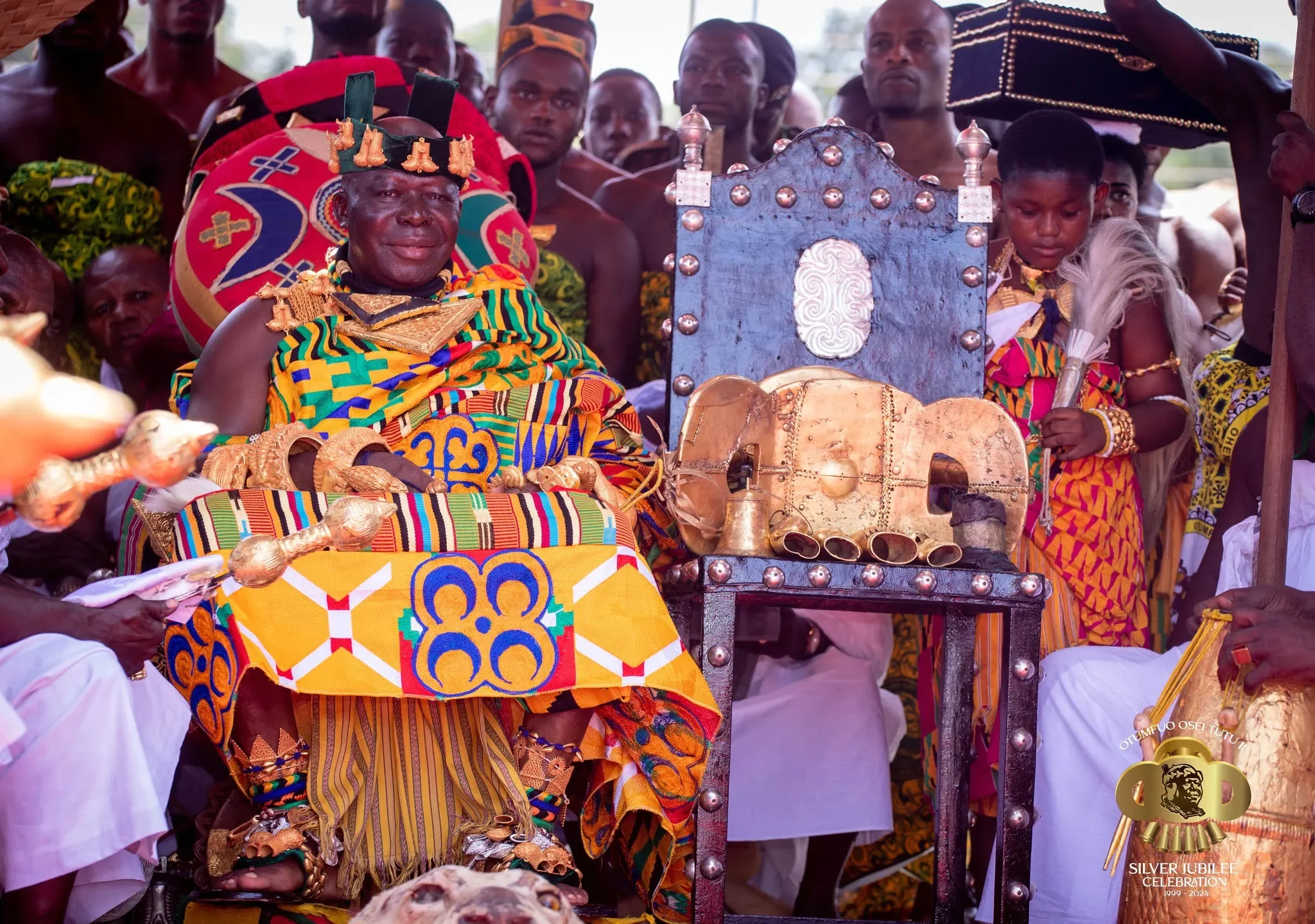
During coronation, the new Asantehene is raised and lowered over it three times without touching.
The stool rests on its own throne (hwedom dwa), often to the king's left in ceremonies.
Bells attached warn of danger and commemorate victories.
Everyday stools in Asante culture carry personal sunsum. The Golden Stool carries the entire people's.
Touching or sitting on it would profane that collective spirit.
The Role in Asante Identity and Unity
The Golden Stool symbolizes the mystical bond among all Asante.
It united chiefdoms into a powerful empire through shared spiritual and political legitimacy.
Chiefs swore allegiance to it, not just the king.
It stands above any ruler, more important than the Asantehene himself.
This focus on collective soul fostered loyalty and resilience.
In Twi culture, it reminds people that true power lies in unity, not individual rule.
Historical Defense: Wars Over the Stool
The stool sparked major conflicts.
In 1896, Asante let their king Prempeh I be exiled rather than risk the stool in war.
In 1900, British Governor Sir Frederick Hodgson demanded to sit on it—a grave insult.
This sparked the War of the Golden Stool (Yaa Asantewaa War). Queen Mother Yaa Asantewaa led the resistance.
Though defeated, the Asante hid the stool successfully. The British never captured it.
The war preserved its sanctity, even in defeat.
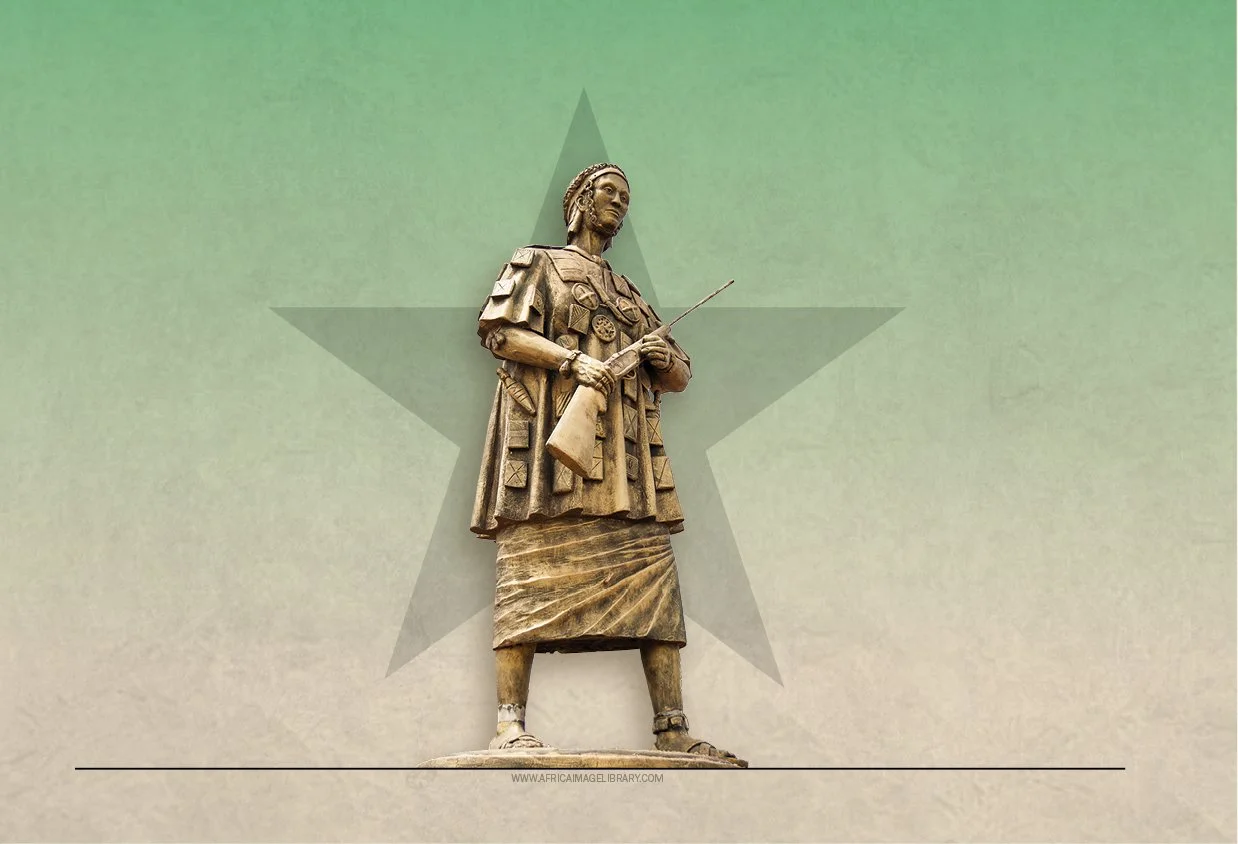
Nana Yaa Asantewaa and the War of the Golden Stool
The Golden Stool in Modern Times
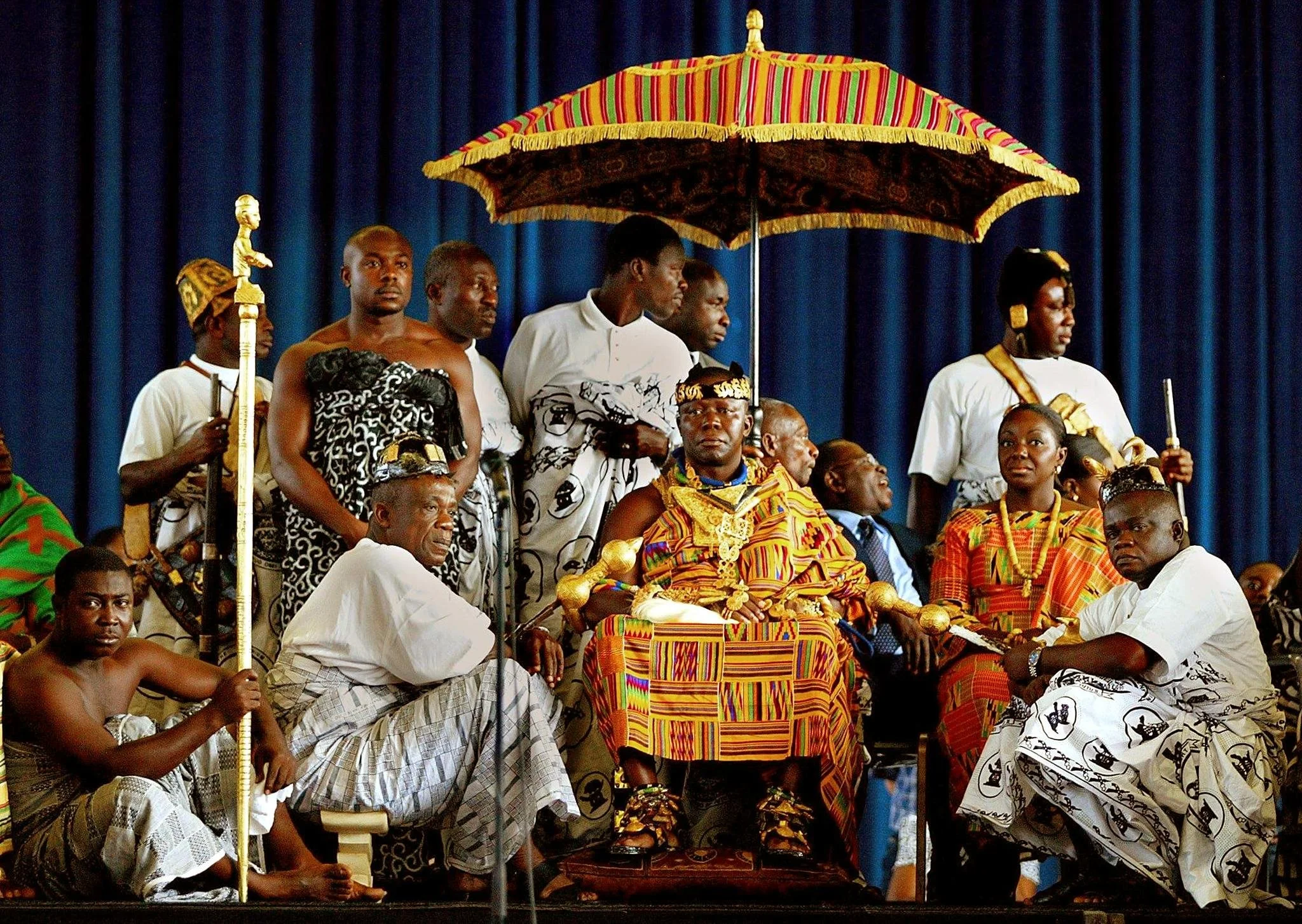
Today, the original remains hidden in Kumasi, known only to the king and trusted few.
Replicas serve chiefs and are blackened at funerals to symbolize legacy.
It features prominently on the Asante flag, central to national pride.
Enstoolment rituals still use it symbolically.
In a changing Ghana, it keeps cultural identity alive, reminding people of shared heritage amid modern life.
It draws diaspora interest, linking global Akan descendants to roots.
FAQs About the Golden Stool
What does Sika Dwa Kofi mean?
Sika Dwa Kofi translates to "Golden Stool born on Friday" in Twi. "Sika" means gold, "Dwa" means stool, and "Kofi" is a Friday-born male name.
Who brought down the Golden Stool?
Okomfo Anokye, the high priest and co-founder of the Asante Confederacy, is credited with summoning it from the sky during a ritual for Osei Tutu.
Why is the Golden Stool more important than the king?
It houses the soul of the entire Asante nation—living, dead, and unborn—while the king is its custodian. The nation exists through the stool, not the individual ruler.
Has anyone ever sat on the Golden Stool?
No. Even the Asantehene never sits on it. Attempts, like the British governor's in 1900, led to war.
Where is the Golden Stool kept today?
Its exact location is secret, known only to the Asantehene and a few trusted people. It's in Kumasi and brought out only for major rituals.
How does the Golden Stool influence modern Asante culture?
It remains a focal point for unity, succession, and pride. Replicas and symbols appear in ceremonies, flags, and education to preserve heritage.
Conclusion
The Golden Stool isn't ancient history, it's the living heart of Asante identity. It turned scattered groups into a unified people, survived colonial threats, and still binds generations. Understanding it means grasping what makes Asante resilience real: shared spirit over individual power.
Curious to explore more of this rich Twi and Akan world? NKENNE brings you authentic guides, language lessons, and cultural deep dives. Connect with your heritage and start learning Twi or join our community today. Your roots are waiting.
Medaase for reading.