
By: Chimdindu Ken-Anaukwu
In March 1896, the world watched in astonishment. An African army led by Emperor Menelik II crushed a European colonial force at the Battle of Adwa. Italy’s plan to turn Ethiopia into a protectorate collapsed in a single day. The victory preserved Ethiopia’s independence and sent a powerful message across Africa and the diaspora. This is the story of how Amharic-speaking Ethiopia, united under strong leadership, defeated an empire and created one of the most important symbols of African resistance.
The Road to Adwa: A Disputed Treaty
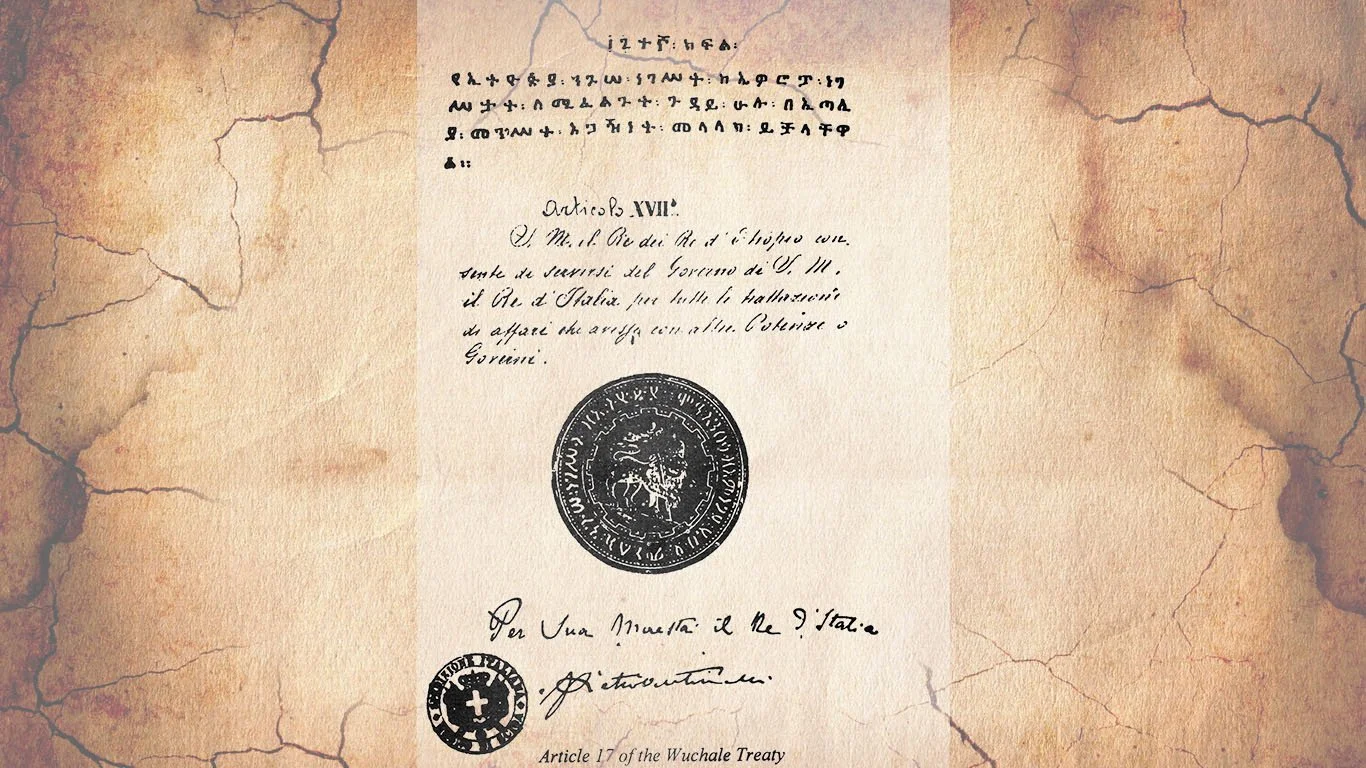
The conflict began with the Treaty of Wuchale, signed in 1889.
The Italian version claimed Ethiopia had agreed to become an Italian protectorate. The Amharic version said Ethiopia could use Italian diplomatic help if it chose. Menelik rejected the Italian interpretation. When Italy tried to enforce its claim by force, war became inevitable.
Emperor Menelik II and the Call to Arms
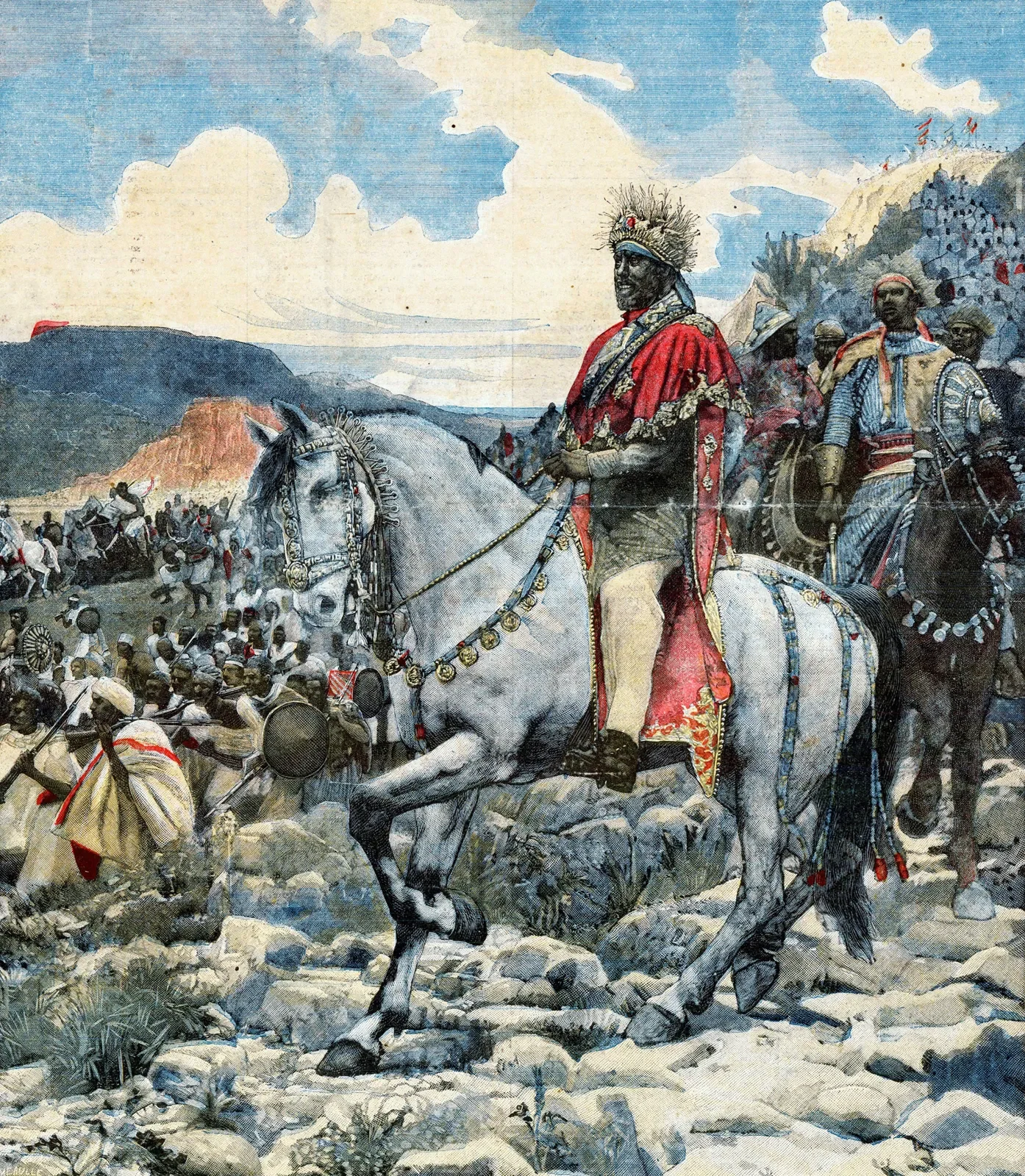
Menelik II responded with skill and determination. He issued a national call to arms and brought together fighters from across Ethiopia’s regions and peoples.
Estimates place the Ethiopian army between 80,000 and over 100,000 men. Many carried modern rifles obtained through careful diplomacy and trade. The force was larger, better supplied, and more unified than the Italians expected.
Empress Taytu Betul: The Strategic Force
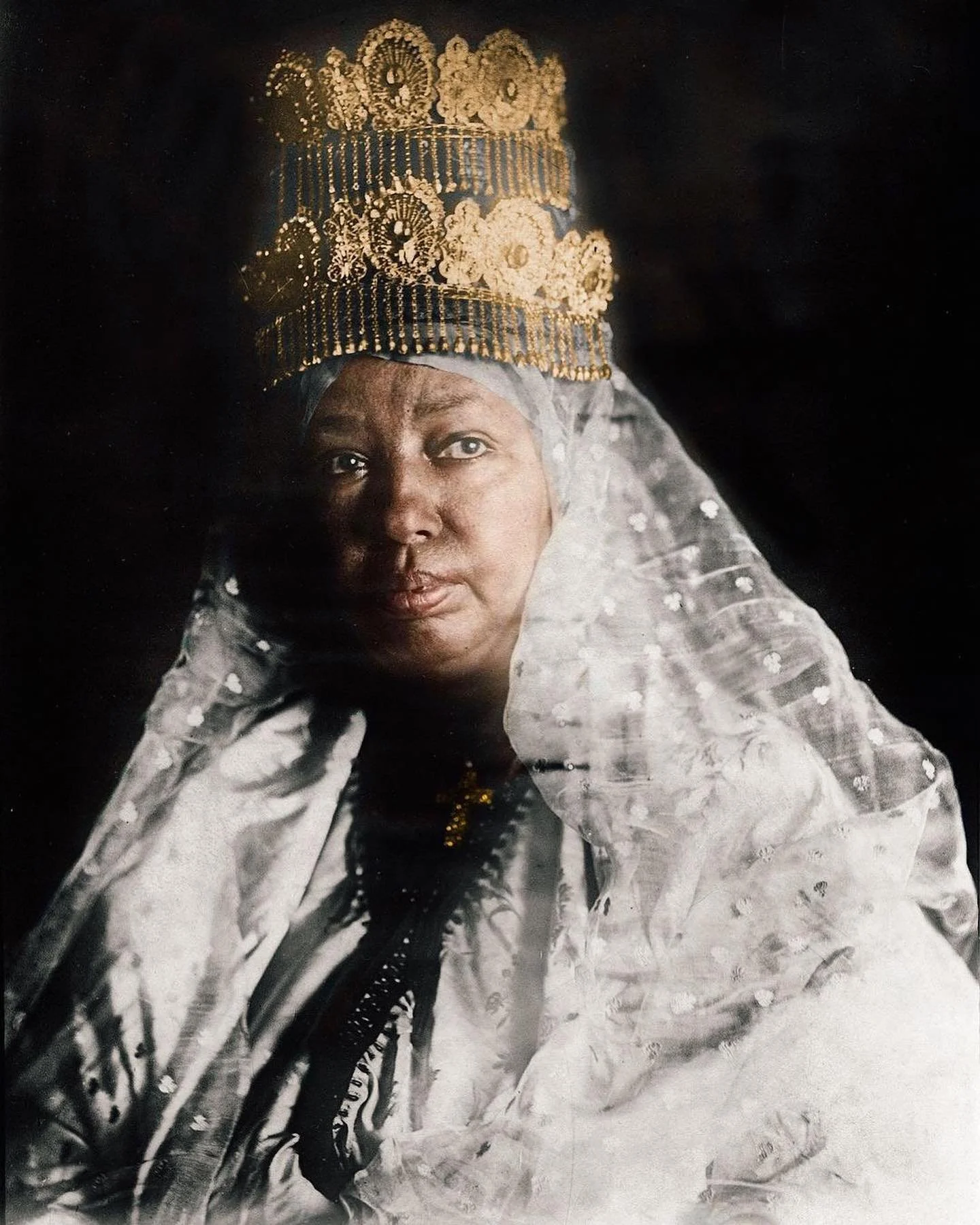
Empress Taytu Betul played a decisive role. She strongly opposed the Italian treaty from the beginning and pushed for firm resistance.
She commanded her own contingent of troops and contributed key strategic ideas. At Mekele earlier in the campaign, her plan to cut off the Italian water supply forced a surrender. At Adwa she continued to provide leadership, morale, and practical support.
Empress Taytu Betul
Key Ethiopian Leaders on the Battlefield
Several regional leaders stood out:
Ras Makonnen, a skilled commander and father of the future Emperor Haile Selassie
Ras Alula, an experienced warrior from the north
Ras Mikael of Wollo
Negus Tekle Haymanot of Gojjam
Other provincial rulers who brought their own forces
Their cooperation under Menelik turned regional armies into a national fighting force.
The Battle Itself: March 1, 1896
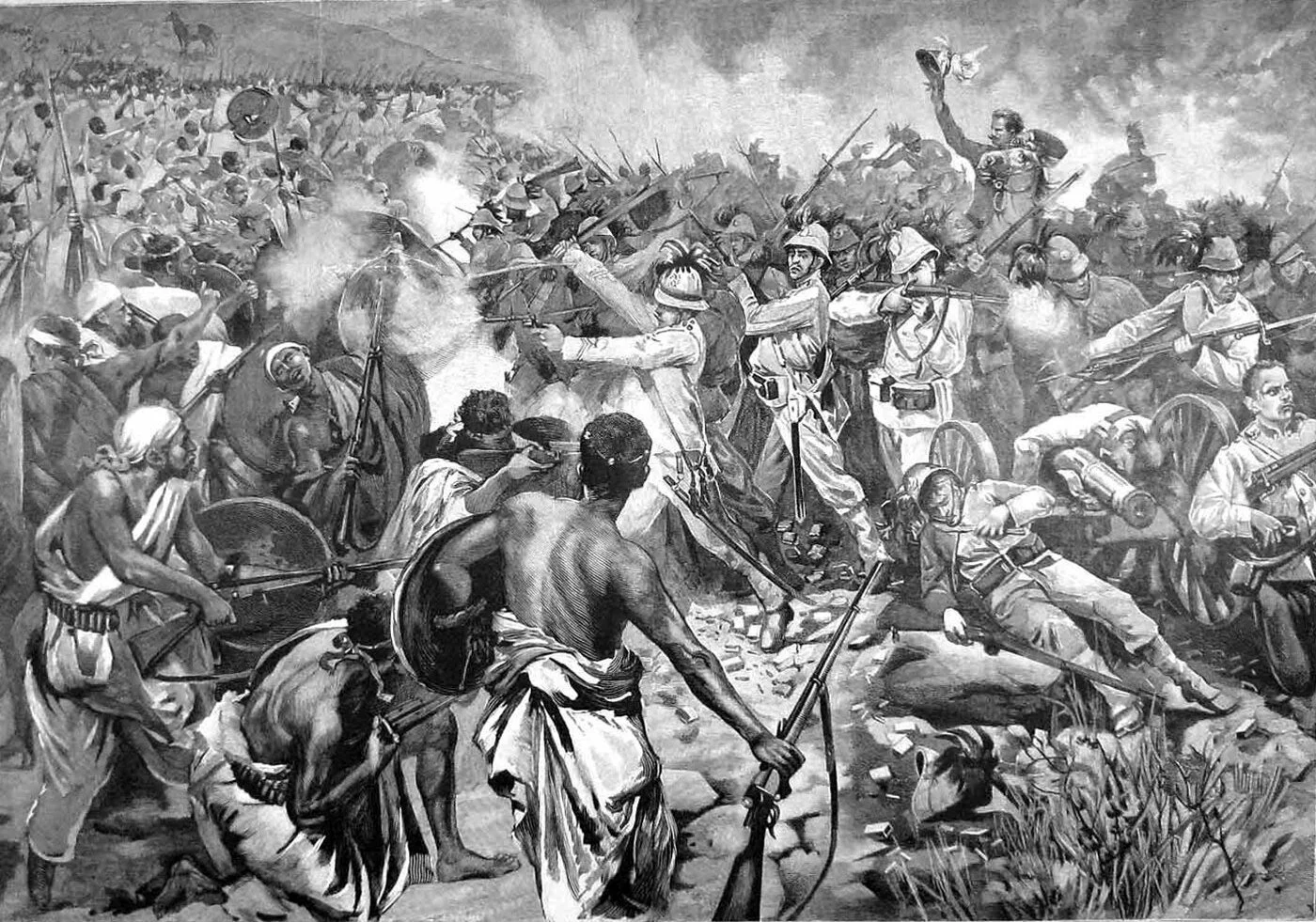
Italian General Oreste Baratieri advanced into difficult mountainous terrain near Adwa. His forces were outnumbered and poorly coordinated.
Ethiopian troops used the landscape to their advantage, surrounding and overwhelming the Italian columns. By the end of the day the Italian army was in full retreat. Thousands were killed or captured. Ethiopia had won a clear and decisive victory.
Why Ethiopia Won
Several factors decided the outcome:
Superior numbers and better use of terrain
Modern weapons acquired in advance
Strong central leadership under Menelik and Taytu
Unity among previously rival regional forces
Italian strategic mistakes and overconfidence
The combination of preparation, leadership, and national mobilization proved decisive.
The Immediate Aftermath
Italy was forced to recognize Ethiopia’s full independence in the Treaty of Addis Ababa later in 1896. The disputed Treaty of Wuchale was cancelled.
Menelik’s international standing rose sharply. European powers now treated Ethiopia as a sovereign state rather than a future colony.
Adwa as a Symbol of African Resistance
Adwa became more than a military victory. It showed that an African nation could defeat a European power on the battlefield during the height of the colonial scramble.
The victory inspired anti-colonial movements across Africa and among people of African descent worldwide. Ethiopia stood as living proof that independence could be defended.
Lasting Legacy in Ethiopian Culture and Memory
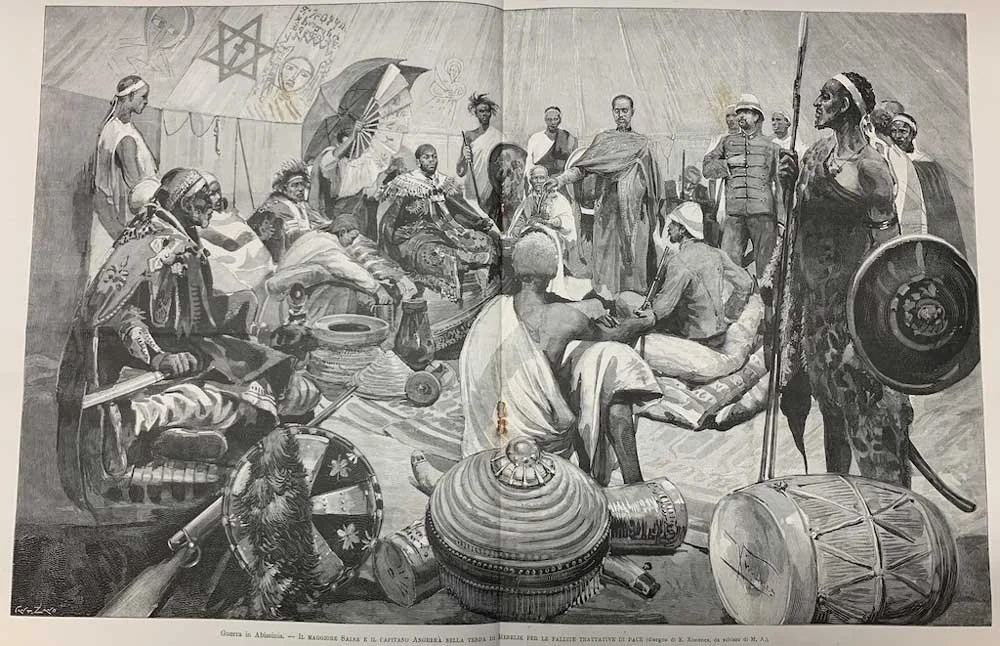
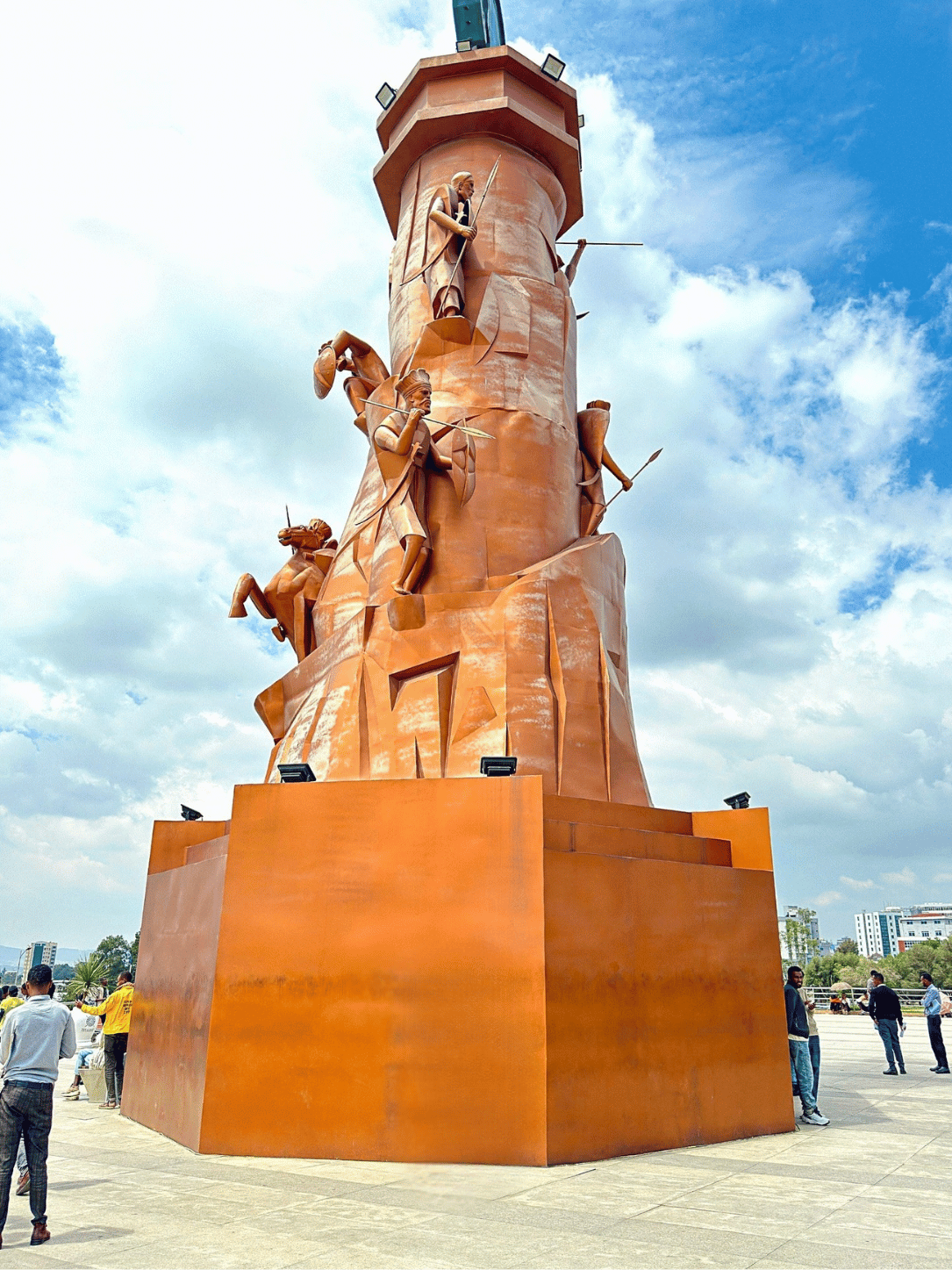
Adwa remains a source of national pride. It is commemorated every year and appears in art, literature, music, and public memory.
For Amharic speakers and all Ethiopians, the battle represents unity, courage, and the successful defense of sovereignty. The story continues to be told as a defining moment in the nation’s history.
FAQs
When was the Battle of Adwa fought?
It took place on March 1, 1896, near the town of Adwa in northern Ethiopia.
Who led the Ethiopian forces?
Emperor Menelik II was the overall commander. Empress Taytu Betul and several regional leaders also played major roles.
Why did Italy invade Ethiopia?
Italy claimed a protectorate over Ethiopia based on its interpretation of the Treaty of Wuchale. Menelik rejected that claim.
How significant was the victory?
It was the first major defeat of a European colonial army by an African force during the Scramble for Africa and secured Ethiopia’s independence.
Did Empress Taytu fight in the battle?
She commanded troops, influenced strategy, and provided strong leadership. She was a central figure in the resistance.
How is Adwa remembered today?
It is celebrated as a national holiday and remains a powerful symbol of Ethiopian independence and African resistance.
Conclusion
The Battle of Adwa stands as one of the most important victories in African history. Under the leadership of Menelik II, Empress Taytu, and united regional forces, Ethiopia defended its independence and changed the course of colonial ambition. The triumph continues to inspire pride and memory among Amharic speakers and across the continent.
Stories like Adwa reveal the strength, unity, and historical depth behind the Amharic language and Ethiopian identity. At NKENNE, we explore these powerful narratives so learners can connect language with living history. Continue your journey into Ethiopian culture and language with us today.