N'anga: The Healers Who Bridge the Physical and Spiritual Realms
By: Chimdindu Ken-Anaukwu
When someone falls seriously ill in many Shona communities, the first stop is often not the hospital, but the n'anga.
These traditional healers are far more than herbalists. They act as bridges between the physical world and the spiritual one.
Using a mix of deep plant knowledge and communication with ancestors, n'anga diagnose why a person is suffering and how to restore balance.
The term "witchdoctor" from colonial times does not do them justice. In Shona culture, n'anga are highly respected figures who help maintain harmony in families and communities.
In this guide, I will explain who n'anga really are, how they work, the tools they use, and why they continue to play such an important role in Zimbabwe today.
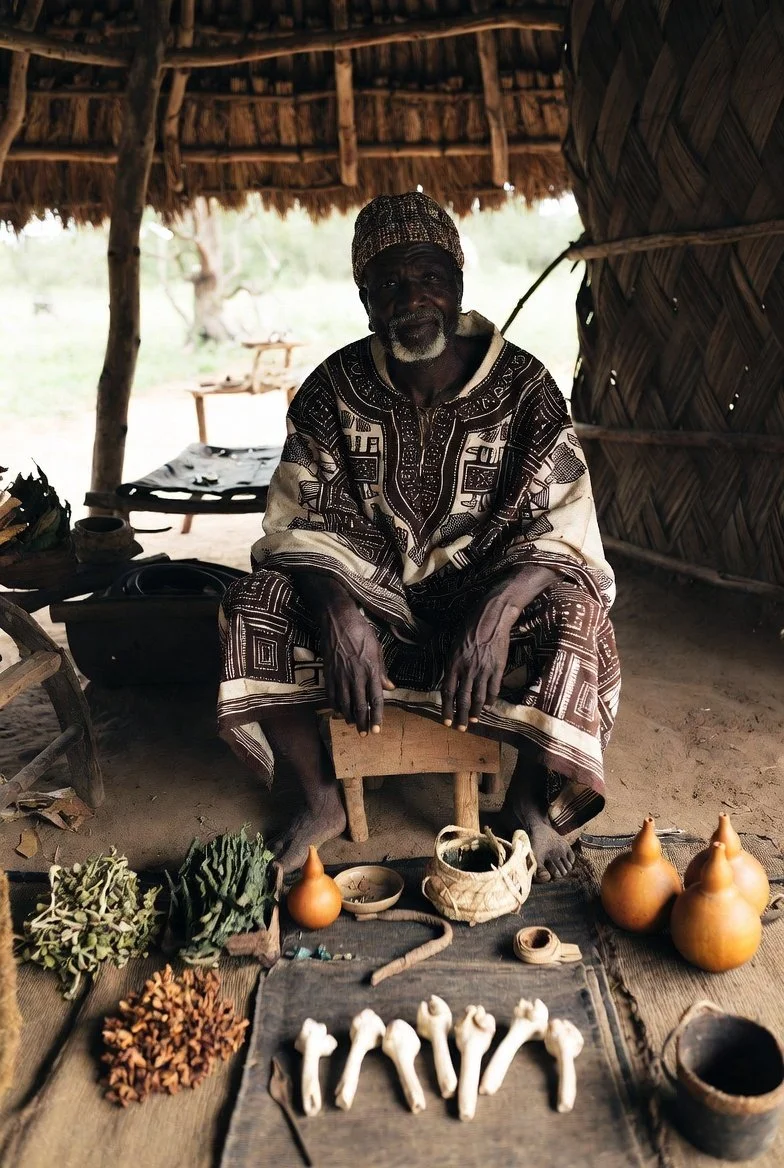
A traditional n'anga in his consultation space, where physical remedies meet spiritual insight.
Who Are the N'anga?
N'anga are traditional healers in Shona society.
Some focus mainly on herbs while others specialize in divination and spirit work. Many combine both roles.
Their gift is often believed to come from ancestral spirits (vadzimu) or other spirits that choose them. This calling usually comes through dreams, illness, or family lineage.
A good n'anga does not just treat symptoms. They look for the root cause, which may be physical, emotional, or spiritual.
The Spiritual and Physical Sides of Healing
In Shona belief, not every sickness comes from germs alone. Some illnesses result from offended ancestors, witchcraft, or spiritual imbalance.
The n'anga acts as diagnostician and therapist at the same time.
They determine whether the problem needs herbs, a ritual to appease spirits, or both. This holistic approach is why many people still consult n'anga even when they also visit modern clinics.
Herbal Muti: Traditional Plant Medicine
Muti refers to traditional medicines made from roots, leaves, bark, and other plant materials.
N'anga have detailed knowledge of hundreds of plants and their uses. They prepare mixtures for fevers, stomach issues, skin problems, and more.
Some muti is taken as tea or applied externally. Others are used in baths or as protective charms.
The preparation is done with care and often accompanied by specific instructions or prayers.
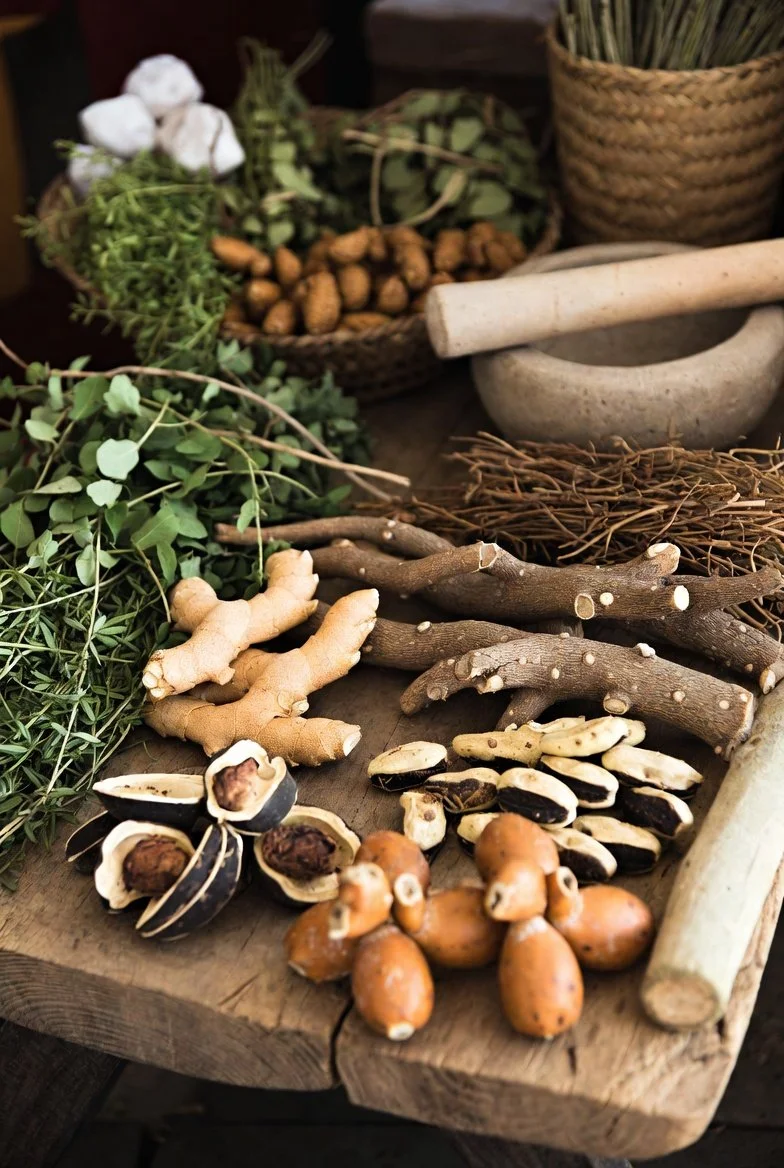
A collection of herbs and ingredients that form the foundation of muti in traditional healing.
Divination and Spirit Consultations
When the cause is not obvious, the n'anga turns to divination.
Common tools include hakata (divining bones or seeds), shells, or simply listening to spirits during consultation.
The healer may enter a light trance or interpret patterns to reveal who or what is behind the problem.
If ancestors are angry or a ngozi (vengeful spirit) is involved, the n'anga will recommend the right ritual or offering to bring peace.
Real-Life Healing Stories and Practices
Families often share stories of recovery after visiting a n'anga.
One common example: a child with persistent nightmares and poor health is taken to the healer. Through divination, the n'anga discovers a neglected family ritual. After the family performs the required ceremony and uses prescribed muti, the child improves.
Another case might involve unexplained bad luck in business. The n'anga identifies a spiritual blockage and provides both cleansing herbs and advice on restoring harmony.
These stories highlight the deep trust people place in n'anga for problems that feel bigger than ordinary medicine.
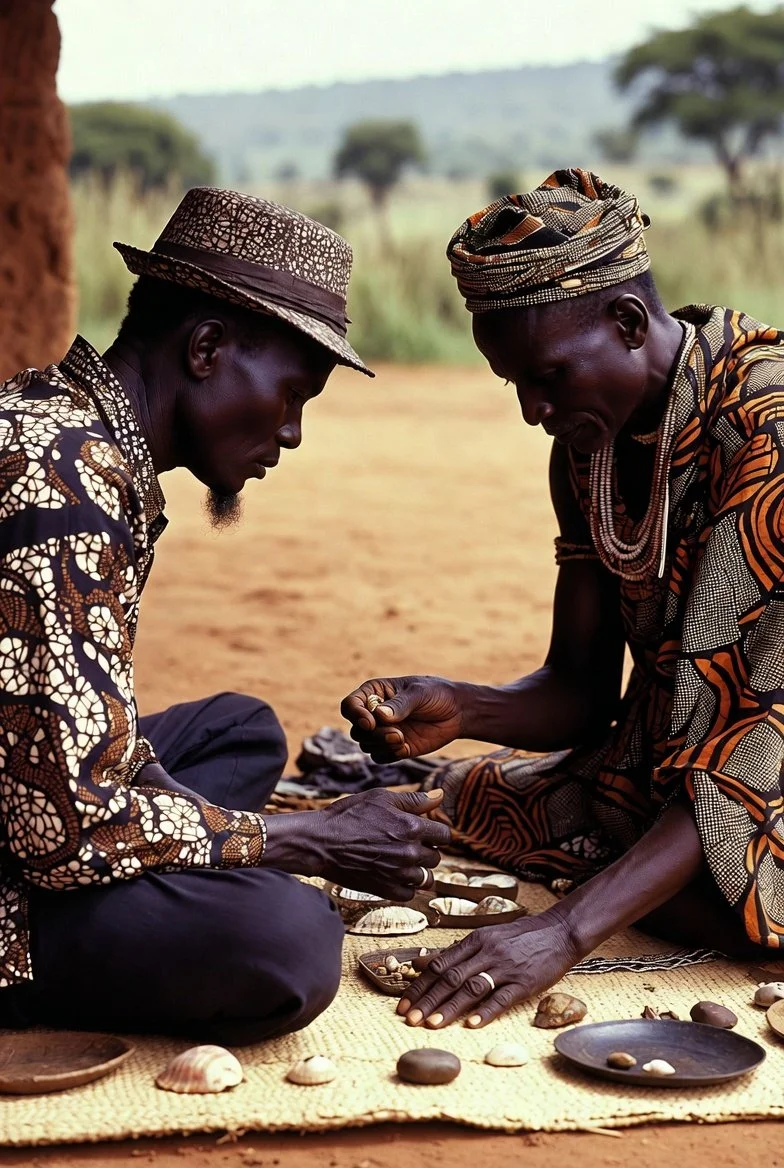
A n'anga in consultation, using insight to help a family member find answers.
Cultural Respect and Modern Reality
N'anga remain highly respected because they preserve cultural knowledge and values.
They often serve as counselors, helping with family conflicts, protection, and guidance.
In modern Zimbabwe, many people combine traditional and Western approaches. The Zimbabwe National Traditional Healers Association (ZINATHA) works to professionalize and regulate the practice.
Respect for n'anga continues because they address the whole person: body, mind, and spirit.
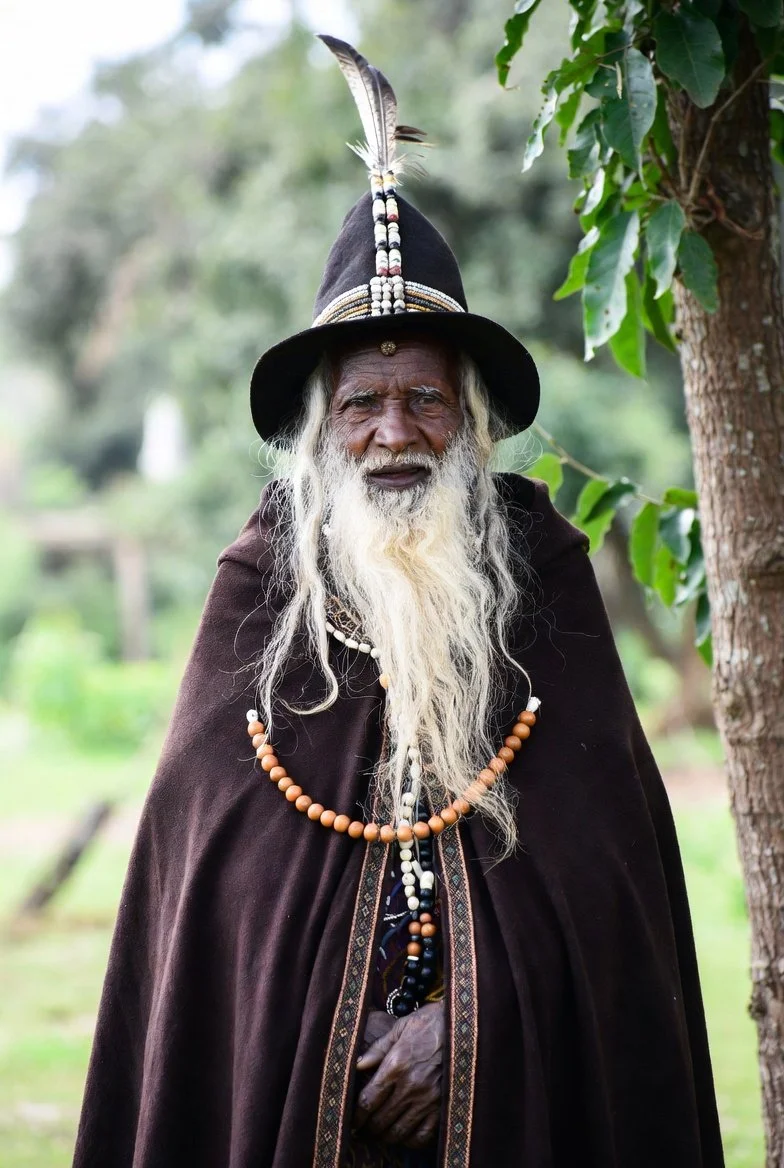
The respected face of a n'anga, guardian of both herbal wisdom and spiritual balance.
Frequently Asked Questions
What does n'anga mean in Shona?
N'anga is the common term for a traditional healer who may use herbs, divination, and spiritual methods.
What is muti?
Muti is traditional herbal medicine prepared from plants, roots, and natural materials.
How do n'anga diagnose illness?
They use a combination of patient history, physical signs, and divination tools such as hakata to find the root cause.
Are n'anga different from svikiro?
Yes. N'anga focus on healing and divination. Svikiro are spirit mediums primarily used for direct communication with ancestors during ceremonies.
Do people still visit n'anga in modern Zimbabwe?
Yes. Many consult n'anga alongside doctors, especially for conditions believed to have spiritual causes.
Is traditional healing safe?
When practiced by experienced and ethical n'anga, herbal muti can be effective. Regulation and proper knowledge help ensure safety.
N'anga represent an important part of Shona heritage.
They remind us that healing often requires attention to both the visible and the invisible.
Their work continues to support communities by offering answers when other paths fall short.
If this gave you deeper insight into Shona culture, keep learning with NKENNE. We are here to explore the language, traditions, and living wisdom that connect generations.
Maita henyu for reading. Your understanding of these roots matters. 🌿