
From Bobangi to Brazzaville: The River Roots and Military Legacy of Lingala
By: Chimdindu Ken-Anaukwu
Walk along the banks of the Congo River today and you will still hear Lingala flowing as naturally as the water itself. This vibrant language connects millions across the Democratic Republic of Congo and the Republic of Congo. Yet its story begins not as a single ethnic tongue, but as a practical tool born from trade, shaped by missionaries, and spread by soldiers.
Lingala grew from the Bobangi trade language used by river merchants. It evolved through colonial contact and became the everyday voice of ordinary people. This guide traces that journey from river ports to bustling capitals like Brazzaville and Kinshasa, and explains why Lingala remains the true people’s language.
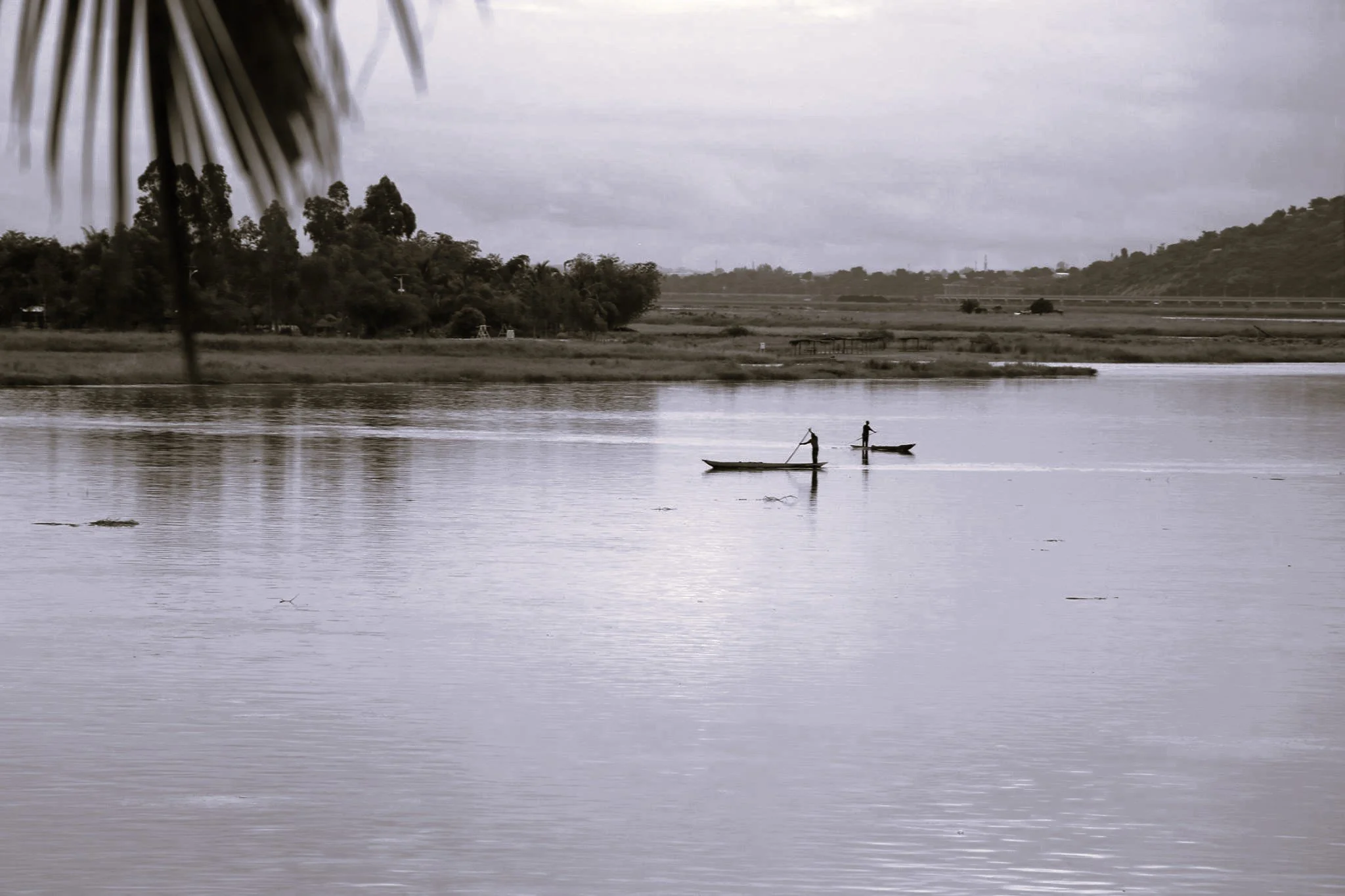
The River Birth: Bobangi as a Trader’s Tool
Before European arrival, Bobangi served as a key trade language along the Congo and Ubangi rivers. Riverine communities used it for commerce between the northwestern bend of the Congo and areas around what is now Kinshasa (then Stanley Pool).
Bobangi was practical. Traders, fishers, and travelers needed a common way to bargain, negotiate, and share news across ethnic lines. It was not the mother tongue of everyone who used it, but its prestige made it valuable. This river network created the fertile ground from which Lingala would later grow.
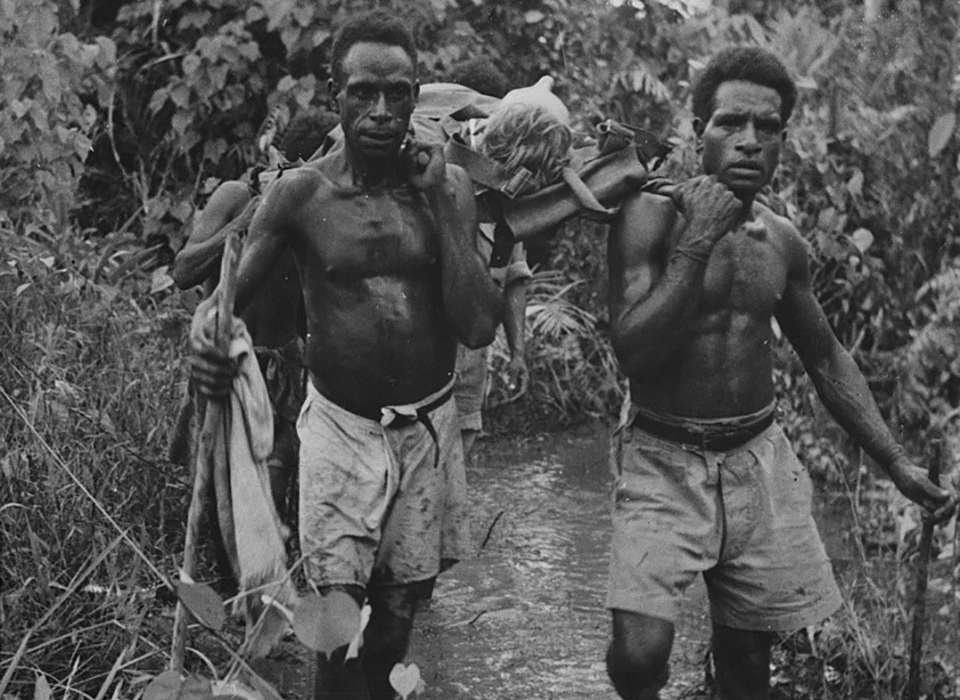
Colonial Encounters and Missionary Influence
In the late 19th century, European colonizers and their diverse African troops arrived. They encountered Bobangi and began adapting it for communication. Missionaries, especially Catholic ones, played a major role in shaping the language.
They standardized grammar, vocabulary, and spelling to aid Bible translation and teaching. What started as a flexible trade pidgin gained more structure. Terms from French and other influences entered as new concepts arrived. This period transformed the language, moving it from pure river use toward wider administration and education.
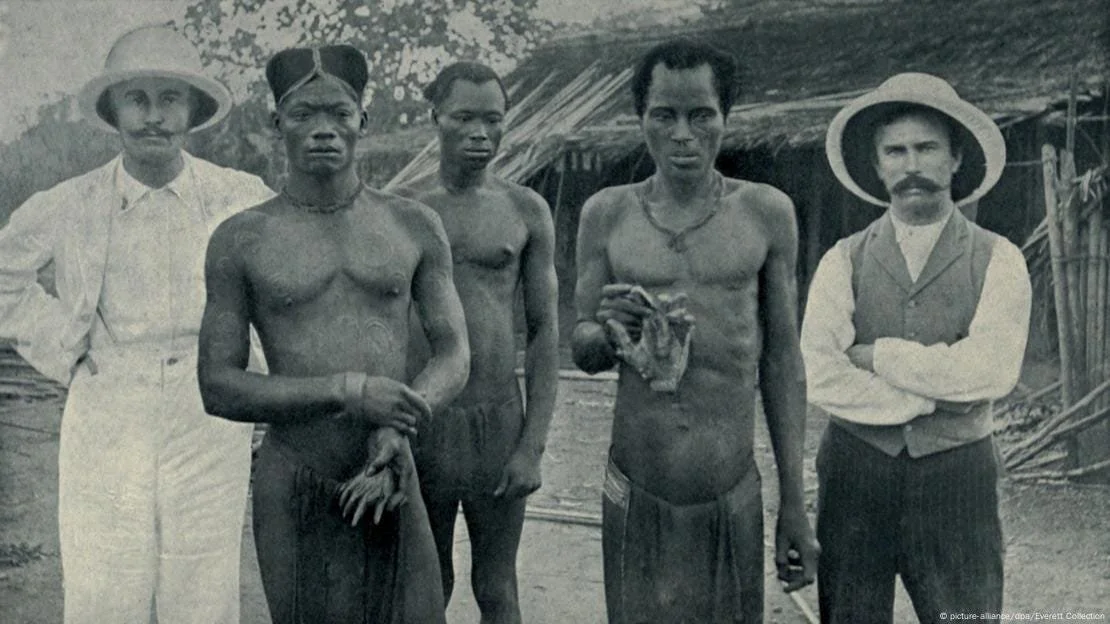
The Military Boost: How Soldiers Spread Lingala
The colonial army became one of Lingala’s strongest vehicles. Soldiers from different regions needed a shared language for commands, daily operations, and interaction with local populations.
Lingala’s association with the military gave it reach and a certain authority. Troops carried it across vast territories as they moved for postings or operations. This military legacy explains why Lingala often carries a direct, commanding tone in some contexts, yet remains warm and practical in everyday street use.
Its spread through barracks and police forces helped it cross ethnic and regional boundaries more effectively than many other languages.
From Bangala to Lingala: Becoming a Modern Language
Early on, people called the emerging variety Bangala or “the language of the river people.” Over time, it became known as Lingala. Missionaries and administrators refined it further around the early 1900s.
By the mid-20th century, Lingala had established itself firmly. It absorbed influences while keeping its Bantu core. Its growth accelerated with urbanization, as people moved to growing cities and needed a common tongue.
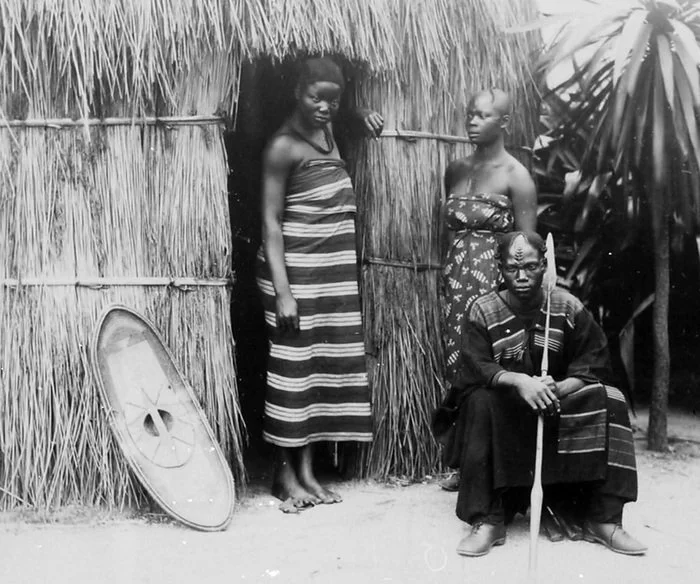
Why Lingala Stays the People’s Language Over French
French serves as the official language of government, education, and formal business in both Congos. Yet Lingala dominates daily life for a clear reason: it belongs to the people.
It feels natural and accessible. Most conversations in markets, homes, taxis, churches, and neighborhoods happen in Lingala. It expresses humor, emotion, love, and complaints better for many than formal French. In Kinshasa and Brazzaville, Lingala signals belonging and modernity in urban culture.
While French links to power and opportunity, Lingala connects hearts and communities. Music, especially soukous and ndombolo, has further cemented its place as the soundtrack of everyday Congolese life.
Lingala in Brazzaville and Kinshasa Today
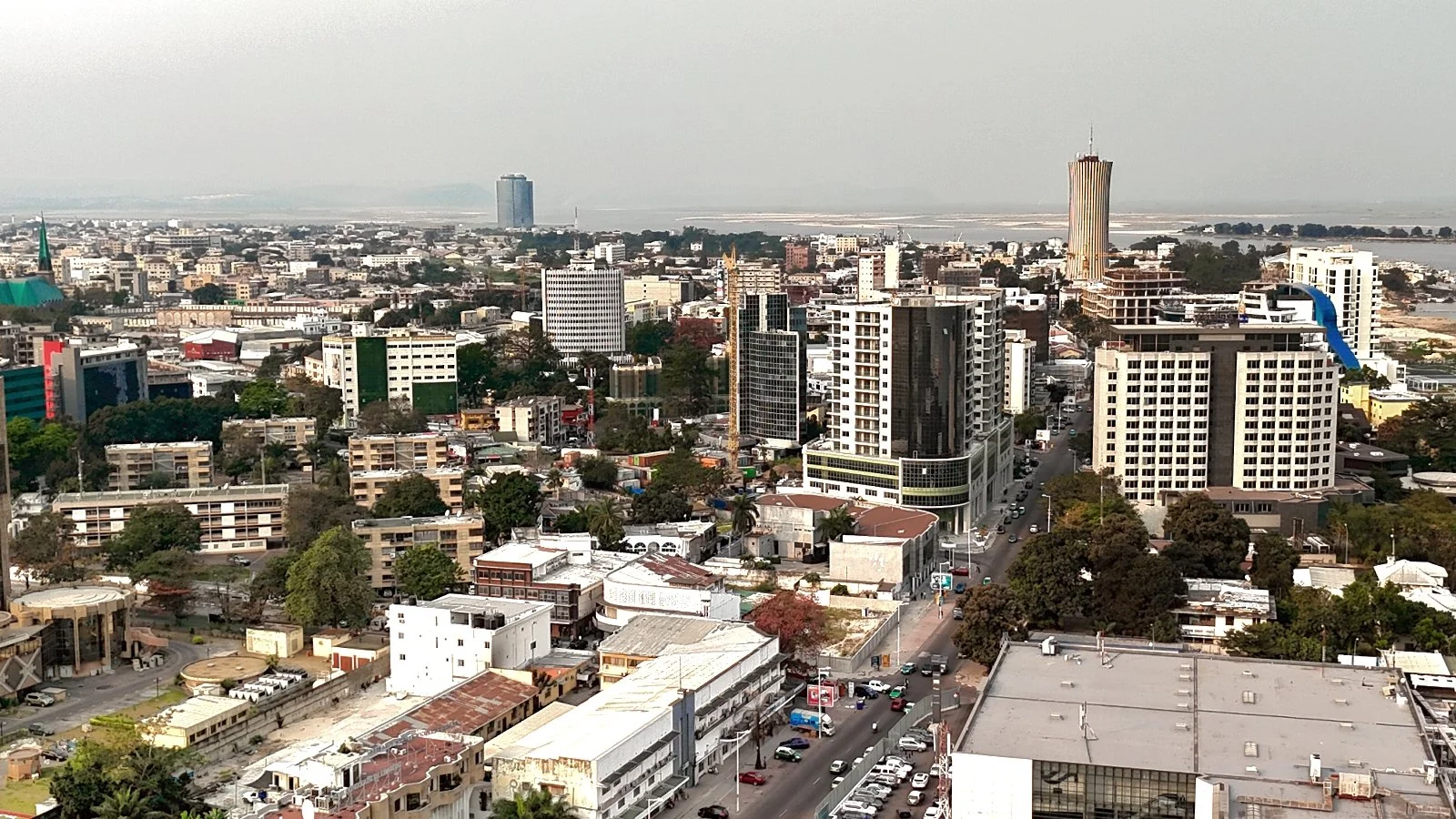
The two capitals face each other across the river, and Lingala flows freely between them. In Brazzaville, it thrives alongside local influences. In massive Kinshasa, it reigns as the undisputed street and home language.
Young people mix it creatively with French slang and global trends, yet its river roots and military history give it deep resilience. Lingala continues adapting while staying true to its practical, people-first origins.
FAQs
What is the connection between Bobangi and Lingala?
Lingala evolved directly from Bobangi, the trade language used by river communities along the Congo and Ubangi rivers. It started as a simplified, widely used version of Bobangi.
How did missionaries influence Lingala?
Catholic missionaries standardized grammar and vocabulary in the late 19th and early 20th centuries to support their work, helping transform the spoken variety into a more consistent language.
Why is Lingala strongly linked to the military?
Colonial forces adopted it as a common language for soldiers from different backgrounds. This helped spread it across the country through army movements and operations.
Is Lingala more popular than French in daily life?
Yes. While French is official, Lingala is the main language for markets, music, family talks, and street interactions in Kinshasa, Brazzaville, and much of the northwest.
Does Lingala differ between Kinshasa and Brazzaville?
There are slight variations and French influences, but speakers understand each other easily. The core remains the same.
Is Lingala still growing today?
Absolutely. Urbanization, music, and social media continue to expand its reach and creativity among younger generations.
Wrapping Up: A Language Born of Connection
From its humble beginnings as a Bobangi trader’s tool on the great rivers to its role in barracks and modern cities, Lingala tells a story of adaptation and resilience. It became the bridge people needed then, and it remains the voice they choose now.
Lingala is more than words. It carries the spirit of river traders, the discipline of soldiers, and the warmth of daily Congolese life. Understanding its journey helps us appreciate why it still feels like home to so many.
Ready to explore more of this living language? Visit NKENNE for practical lessons, cultural stories, and deeper dives into Lingala and Congolese heritage. What part of Lingala’s history surprised you most?