
Kuduro, Marrabenta & Funaná: Dance Styles That Define Lusophone Africa
By: Chimdindu Ken-Anaukwu
Dance is more than movement in Lusophone Africa; it’s history, identity, and expression all rolled into rhythm. From Angola’s high-energy Kuduro to Mozambique’s communal Marrabenta and Cape Verde’s spirited Funaná, each style tells a story of resilience, joy, and cultural pride. Learning about these dances isn’t just about steps; it’s about feeling the heartbeat of a people and connecting with the Portuguese language in a living, moving way.
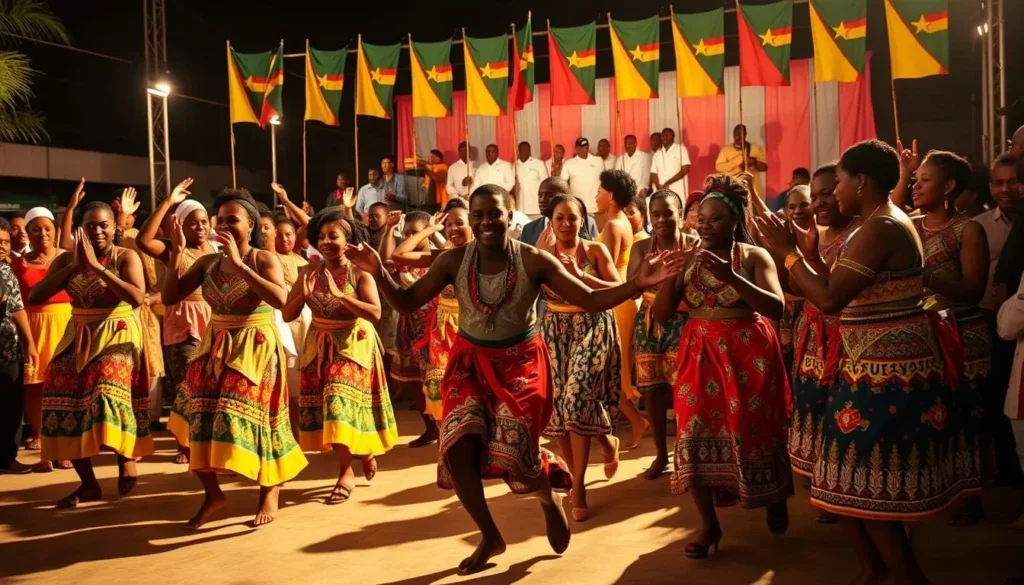
When Movement Becomes Identity
Dance isn’t just entertainment in Lusophone Africa; it’s a heartbeat, a language, and a history lesson all in one.
From the energetic streets of Luanda to the festive islands of Cape Verde, Kuduro, Marrabenta, and Funaná aren’t just dances; they are cultural signatures.
Each movement carries centuries of history, blending African rhythms with Portuguese influence, creating dances that are fun, defiant, and deeply emotional.
Learning these styles is not just about steps; it’s about feeling the story, the struggle, and the joy of the people who created them.
Kuduro: Angola’s High-Energy Pulse
Origin: Luanda, Angola, late 1980s
Vibe: Fast, energetic, urban, rebellious
Music: Electronic beats fused with traditional Angolan rhythms
Kuduro, meaning “hard ass” in Portuguese slang, started as a street dance and music movement in post-war Angola.
It’s high-octane, combining rapid footwork, body isolations, and creative improvisation.
Why it matters: Kuduro reflects resilience and joy in the face of hardship. It’s the youth reclaiming their streets and expressing identity through motion.
Fun fact: International DJs and artists now remix Kuduro worldwide, but the heart of the dance remains unmistakably Angolan.

Marrabenta: Mozambique’s Heartbeat
Origin: Maputo, Mozambique, 1930s
Vibe: Lively, communal, joyful
Music: Guitar-driven, influenced by Portuguese folk and local rhythms
Marrabenta emerged as a social dance for Mozambicans during the early colonial period.
Its name comes from rebentar, meaning “to break”; a nod to the energy it brings to any gathering.
Why it matters: Marrabenta was a way for communities to celebrate life despite colonial oppression.
Cultural note: Traditional Marrabenta dancers move lightly on their feet, allowing the music to flow through them naturally; a metaphor for Mozambique’s enduring spirit.
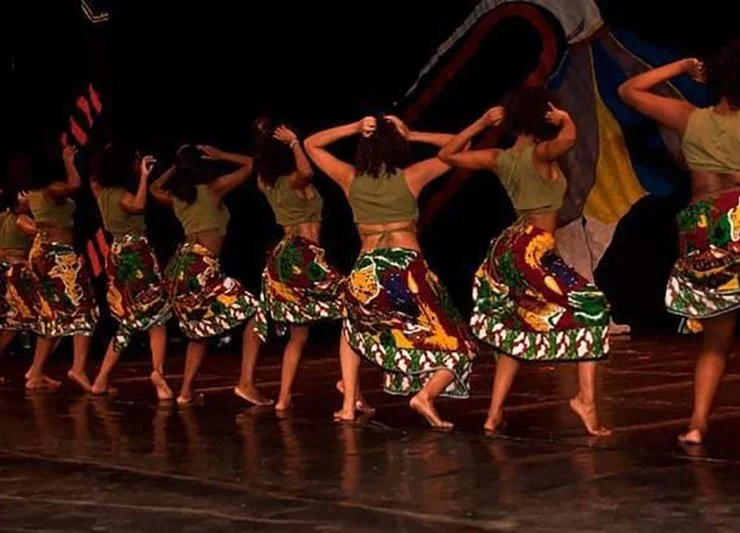
Funaná: Cape Verde’s Spirited Tempo
Origin: Santiago Island, Cape Verde
Vibe: Fast, rhythmic, earthy
Music: Accordion-driven, traditionally accompanied by ferrinho (iron scraping)
Funaná was once a rural dance banned by colonial authorities for being “too provocative.”
Today, it’s a symbol of Cape Verdean identity, celebrated in festivals and music halls alike.
Why it matters: Funaná is a dance of freedom, embodying rebellion, joy, and national pride.
Movement tip: The dance involves quick steps with a forward-and-back rhythm, demanding coordination and stamina; it’s exercise disguised as expression.
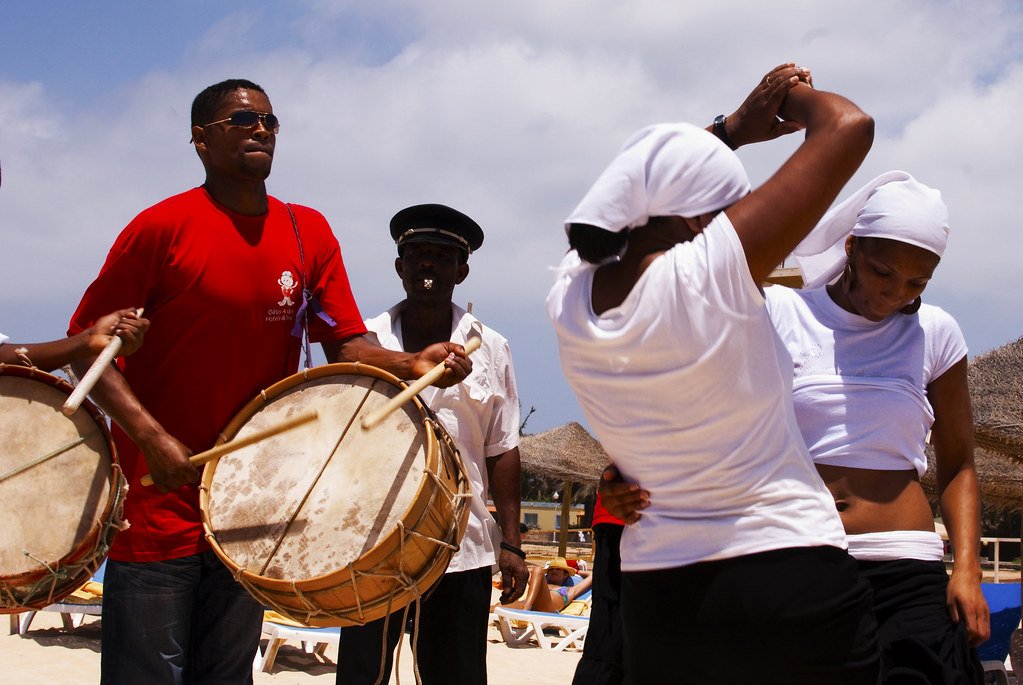
Why These Dances Matter Today
These dances are more than entertainment. They are living history:
Kuduro: The urban voice of Angolan youth
Marrabenta: Mozambique’s story of community and resilience
Funaná: Cape Verdean rebellion turned celebration
For learners of Portuguese, watching or learning these dances offers:
Language immersion: Songs in local dialects and Portuguese slang
Cultural insight: Understanding social norms, humor, and historical context
Emotional connection: Feeling the heartbeat of Lusophone Africa in motion
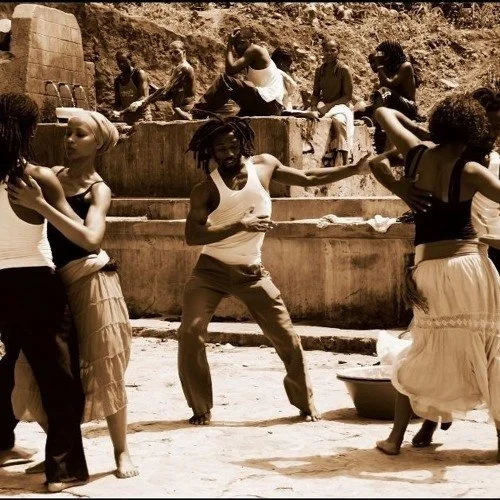
Learn Portuguese Through Dance Vocabulary
NKENNE Takeaway
If you ever want to feel the soul of Lusophone Africa, don’t just watch; move.
Try Kuduro in Angola, sway to Marrabenta in Mozambique, or stomp Funaná in Cape Verde.
Each step teaches Portuguese, history, and the joy of living despite challenges.
In Lusophone Africa, dance isn’t just movement; it’s heritage in motion.
FAQs
1. Are Kuduro, Marrabenta, and Funaná similar?
No. Each dance comes from a different country, era, and social context, though all express African identity through rhythm.
2. Can beginners learn these dances?
Absolutely! Start slowly, mimic videos, and feel the music — the energy comes naturally.
3. Which Portuguese words will I hear in songs?
Common words include dança, ritmo, amor, alegria, saudade, and local slang.
4. Are these dances only for celebrations?
Not anymore. While they began socially, today they’re performed in clubs, concerts, and cultural events worldwide.
5. Can learning these dances help with Portuguese?
Yes. Songs and dance instructions introduce vocabulary, slang, and local expressions in context, making learning immersive and fun.