
The Hidden Power of Koseret and Korarima – Ethiopia’s Secret Spice Cupboard
By: Chimdindu Ken-Anaukwu
Many people can cook Ethiopian food and still miss that special depth of flavor. The secret often lies in two ingredients most outsiders overlook: koseret and korarima. These powerful Ethiopian herbs and spices transform ordinary dishes into something unforgettable. They give niter kibbeh its signature aroma and kitfo its luxurious taste. In this guide, you will learn what makes them special, how to use them at home, and where to source them even if you live far from Ethiopia.
What Are Koseret and Korarima?
Koseret is a leafy herb scientifically known as Lippia adoensis. Ethiopians use both fresh and dried leaves. It grows widely in the highlands and carries a bright, slightly minty, citrus-like aroma.
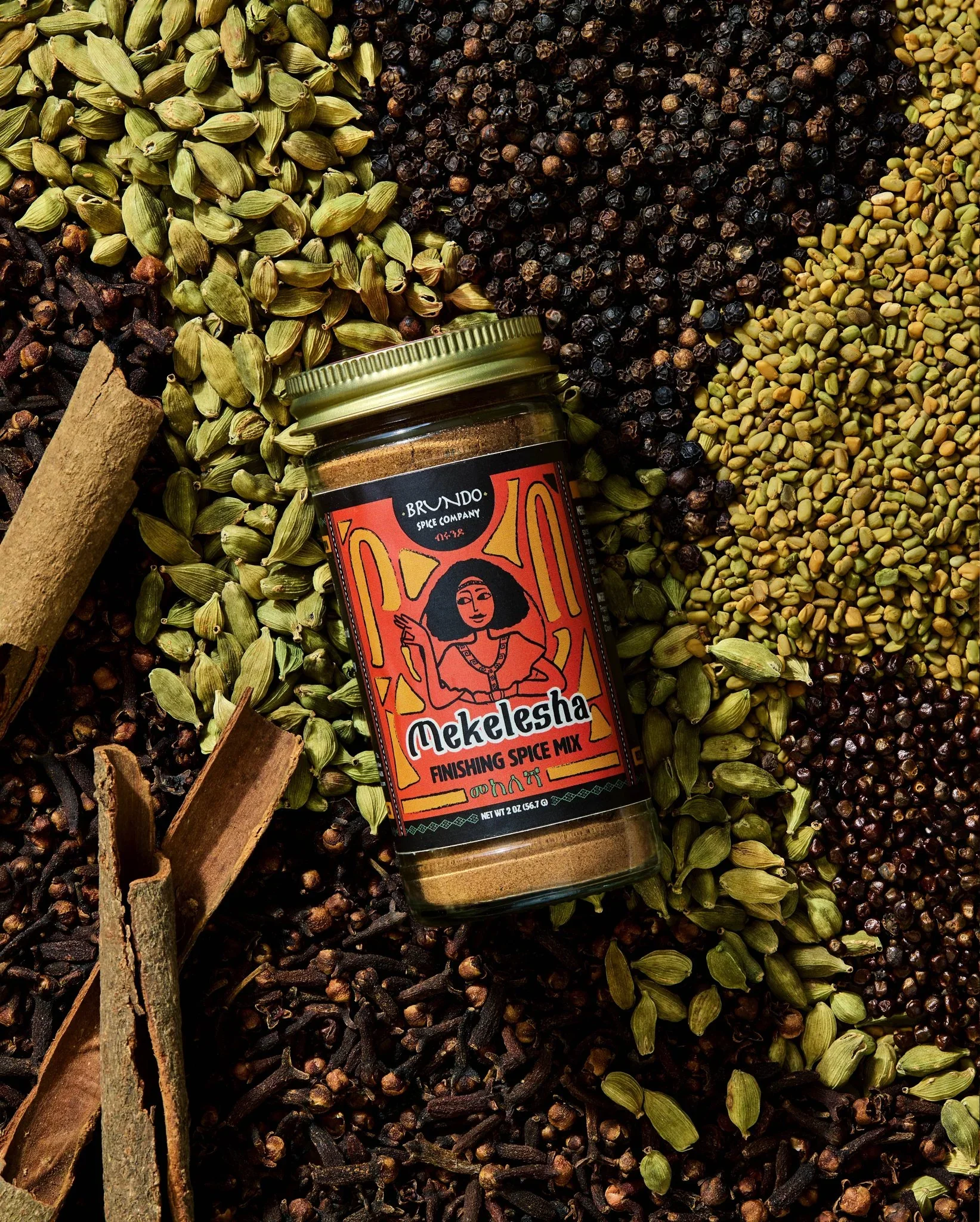
Korarima, often called Ethiopian cardamom, comes from the plant Aframomum corrorima. It produces larger, darker seeds than regular Indian cardamom. The flavor is more floral, smoky, and complex with hints of citrus and pepper.
Both are essential members of Ethiopia’s traditional spice cupboard.
The Unique Flavors That Set Them Apart
Koseret adds a fresh, herbal brightness that balances rich, buttery dishes. It has notes of oregano, thyme, and lemon verbena combined.
Korarima brings warmth and depth. Its seeds are sweeter and more aromatic than standard cardamom, with a subtle smoky edge that lingers.
Together, they create that unmistakable “Ethiopian taste” you notice in authentic restaurants but struggle to recreate at home.
Why They Matter in Niter Kibbeh
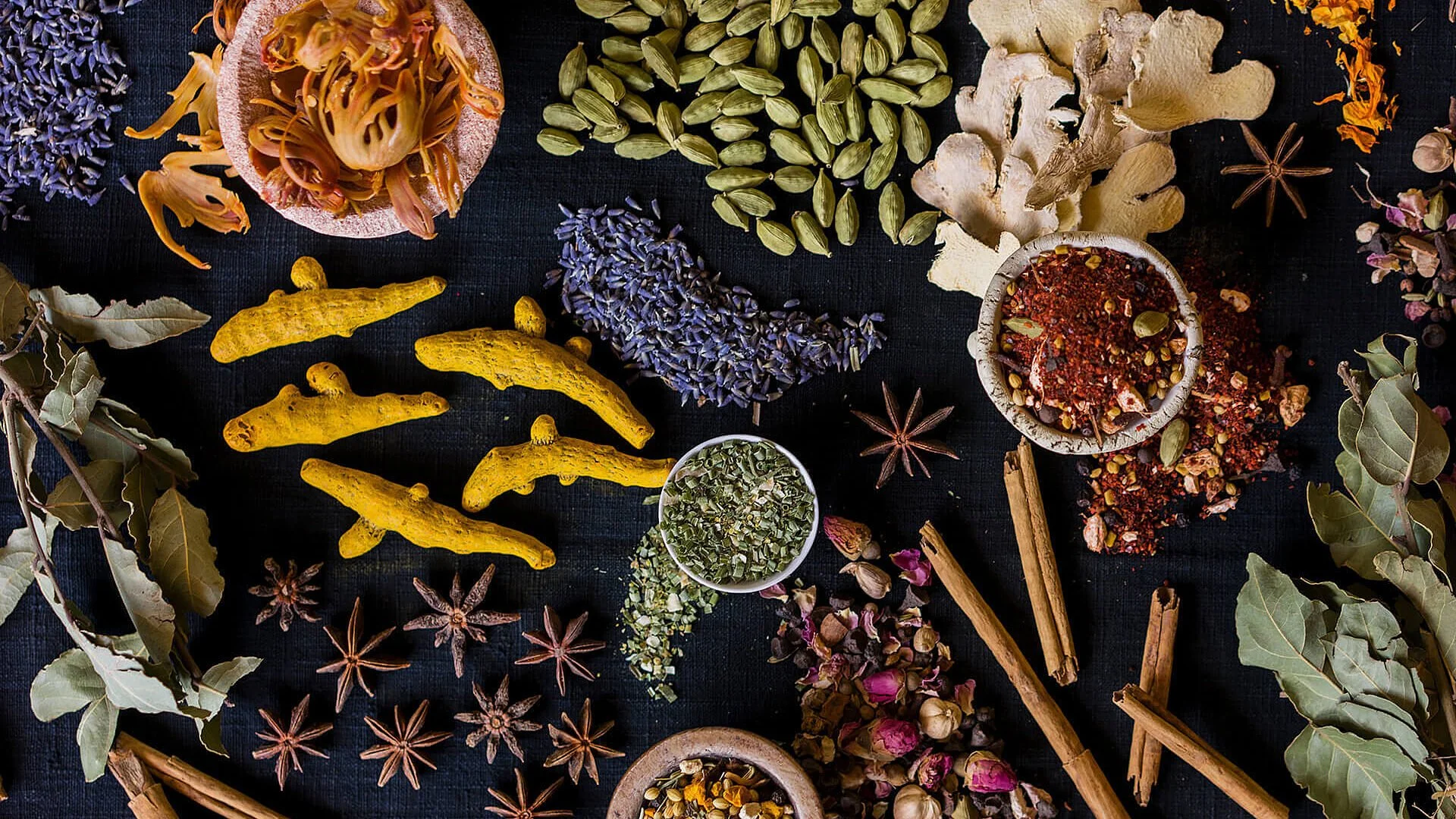
Niter kibbeh is Ethiopia’s spiced clarified butter. Koseret and korarima are two of its most important ingredients.
During the slow infusion process, koseret leaves release their fragrant oils while korarima seeds add aromatic warmth. Without these two, niter kibbeh tastes flat and missing that signature Ethiopian soul.
The combination makes niter kibbeh perfect for everything from tibs to shiro to simple scrambled eggs.
Their Essential Role in Kitfo and Other Dishes
In kitfo, korarima provides the distinctive floral spice that balances the raw beef and mitmita heat. Many recipes also include a touch of koseret for brightness.
You will also find them in:
Awaze sauce
Traditional meat rubs
Vegetable dishes
Ethiopian spiced tea (shai)
They work quietly in the background but make the entire dish taste complete.
How to Use Koseret and Korarima at Home
For Koseret:
Add whole dried leaves when making niter kibbeh
Crush lightly before adding to stews
Use fresh leaves as a garnish for extra aroma
For Korarima:
Lightly toast seeds before grinding
Use 4–6 seeds per pound of meat in kitfo
Add to berbere blends for extra complexity
Start with small amounts and adjust to your taste. These spices are potent.
Where to Find Them Outside Ethiopia
You can source both online and in African or Middle Eastern stores:
Online: Kalustyan’s, EthiopianSpices.com, or Amazon (search “Ethiopian koseret” and “korarima” or “Ethiopian cardamom”)
Diaspora shops: Look in Ethiopian, Eritrean, or Somali grocery stores in cities like Washington D.C., London, Toronto, or Lagos
Substitutes (in emergencies): For koseret, try a mix of dried oregano and lemon thyme. For korarima, use regular cardamom with a pinch of grains of paradise
Fresh or properly dried versions give the best results.
Storage and Substitution Tips
Store koseret leaves in an airtight container away from light. Korarima seeds keep best whole. Grind them fresh when needed.
Both last 6–12 months when stored correctly. Always smell them before use. If the aroma is weak, it is time to replace them.
Cultural Significance in Ethiopian Cooking
Koseret and korarima represent Ethiopia’s deep connection to its land and traditions. They have been used for centuries in both daily meals and special celebrations.
These ingredients carry the taste of home for many in the diaspora. Using them connects you to generations of Ethiopian cooks and their careful balance of flavors.
FAQs
What does koseret taste like?
Koseret has a bright, herbal, slightly minty flavor with citrus notes. It is more fragrant than regular oregano.
Is korarima the same as regular cardamom?
No. Ethiopian korarima is larger, darker, and has a more complex, floral, and smoky flavor than Indian cardamom.
Can I make niter kibbeh without koseret and korarima?
You can, but it will lack authentic Ethiopian depth. These two spices are key to the real taste.
Where is the best place to buy them online?
Specialty Ethiopian spice sellers usually offer the highest quality. Look for shops that sell to the diaspora community.
How much korarima should I use in kitfo?
Start with 4 to 6 seeds per pound of meat. Grind them fresh for maximum flavor.
Are koseret and korarima expensive?
They are quite affordable compared to saffron or vanilla, especially when bought from Ethiopian suppliers.
Conclusion
Koseret and korarima may be quiet ingredients, but they carry the true soul of Ethiopian cooking. Once you start using them, your niter kibbeh, kitfo, and other dishes will taste noticeably more authentic and layered.
Small additions like these make the biggest difference in flavor. They connect you to Ethiopia’s rich culinary heritage in your own kitchen.
Ready to take your Ethiopian cooking and cultural knowledge further? NKENNE’s Amharic lessons and in-depth guides help you master both the language and the traditions behind these flavors. Start exploring with us today.