
The Royal Drums (Ingoma): Symbols of Power, Rhythm, and Heritage
By: Chimdindu Ken-Anaukwu
Long before modern Rwanda, the deep voice of the drum announced the presence of kings, marked victories, and held the spiritual heart of the kingdom. These were not ordinary instruments. The royal drums, known as Ingoma, embodied power, legitimacy, and national identity.
In this guide, you will learn the true meaning of Ingoma, the story of the sacred royal drums, their role in the monarchy, and how they continue to live on in museums, performances, and modern Rwandan culture.
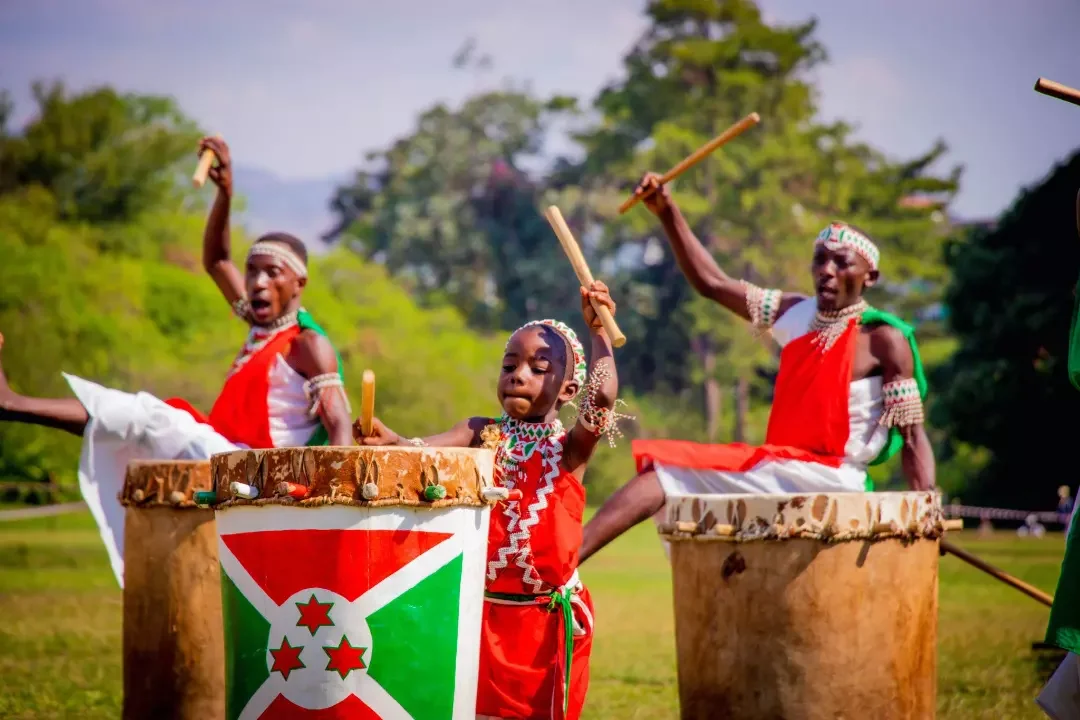
What Ingoma Really Means
In Kinyarwanda, the word Ingoma carries a powerful double meaning. It refers both to the drum itself and to the kingdom or reign.
This linguistic connection shows how deeply the drum was tied to political and spiritual authority. To possess the royal drums was, in essence, to hold the right to rule.
The Sacred Role of Royal Drums
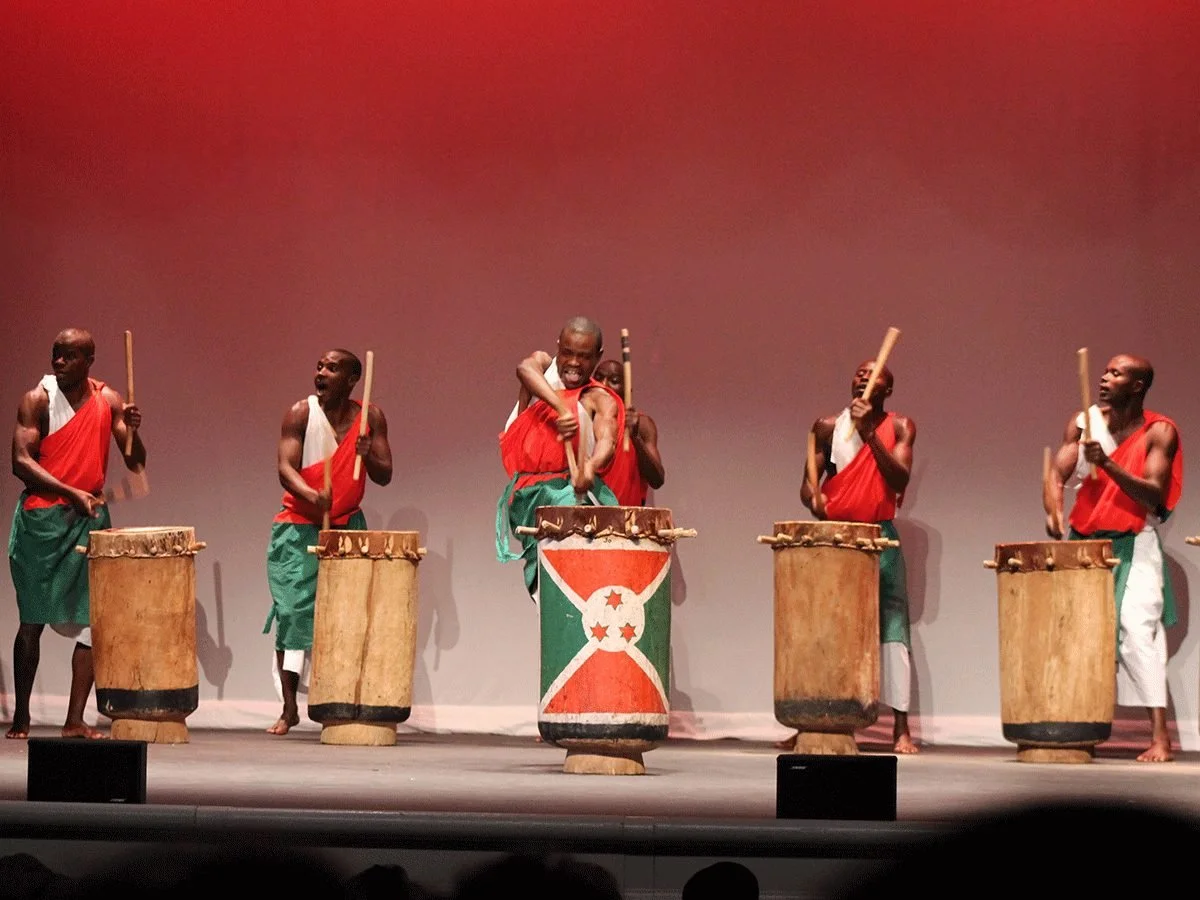
In pre-colonial Rwanda, royal drums were far more than musical instruments. They served as living symbols of the king’s power and the unity of the nation.
They announced the king’s presence, marked important rituals, and accompanied major events such as harvests, coronations, and military victories. Some drums were never played for entertainment. Their role was political and sacred.
Capturing an enemy’s royal drum was considered a major victory because it meant seizing their authority and spiritual power.
The Famous Karinga Drum
Among all the royal drums, Karinga stood above the rest. Its name is often translated as “royal treasure” or “token of hope.”
Introduced (or elevated) by King Ruganzu II Ndori in the late 16th century, Karinga became the ultimate emblem of the kingdom. The king was considered its servant, and the drum itself was treated as the symbolic seat of the nation.
It was carefully protected, transported with special care, and honored with daily rituals. Losing Karinga was believed to threaten the very existence of the kingdom.
Types of Royal Drums
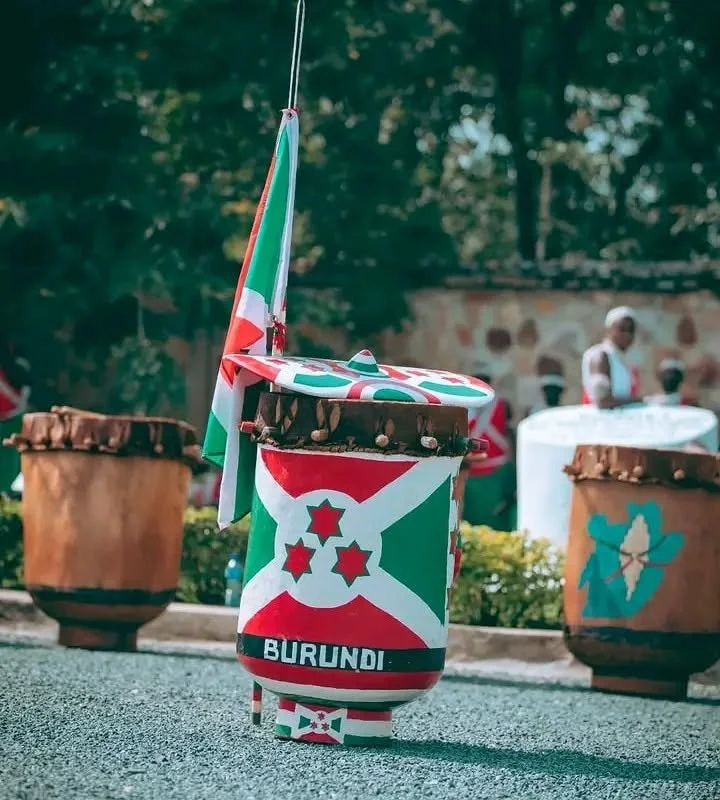
By the late 19th century, the most important royal drums included:
Karinga – The supreme royal drum and national emblem
Cyimumugizi – One of the oldest, associated with foundational power
Mpatsibihugu – Linked to mastery over territories
Kiragutse – Connected to the greatness of the land
These drums formed a sacred collection that represented different aspects of royal authority and Rwanda’s dominance.
Guardians of the Drums
The royal drums were cared for by specialized ritualists known as the Abiru.
These trusted specialists preserved the knowledge of court rituals, history, and the proper handling of the sacred instruments. Drumming at court was a highly respected role, often passed down through families. The Abiru ensured the drums maintained their spiritual and political power.

From Kingdom to Modern Rwanda
When the monarchy was abolished in the early 1960s, the original royal drums largely disappeared from public life. Many of the sacred instruments were lost or destroyed during the political transition.
Yet the cultural meaning of Ingoma survived. Today, drums remain a powerful symbol of Rwandan identity, continuity, and resilience. Their deep beats still connect modern Rwandans to the kingdom’s long history.
Where to Experience Ingoma Today
You can encounter the legacy of the royal drums in several meaningful ways:
Kings’ Palace Museum in Nyanza – Displays royal artifacts and replicas linked to the monarchy
Ethnographic Museum in Huye – Offers insights into traditional instruments and cultural life
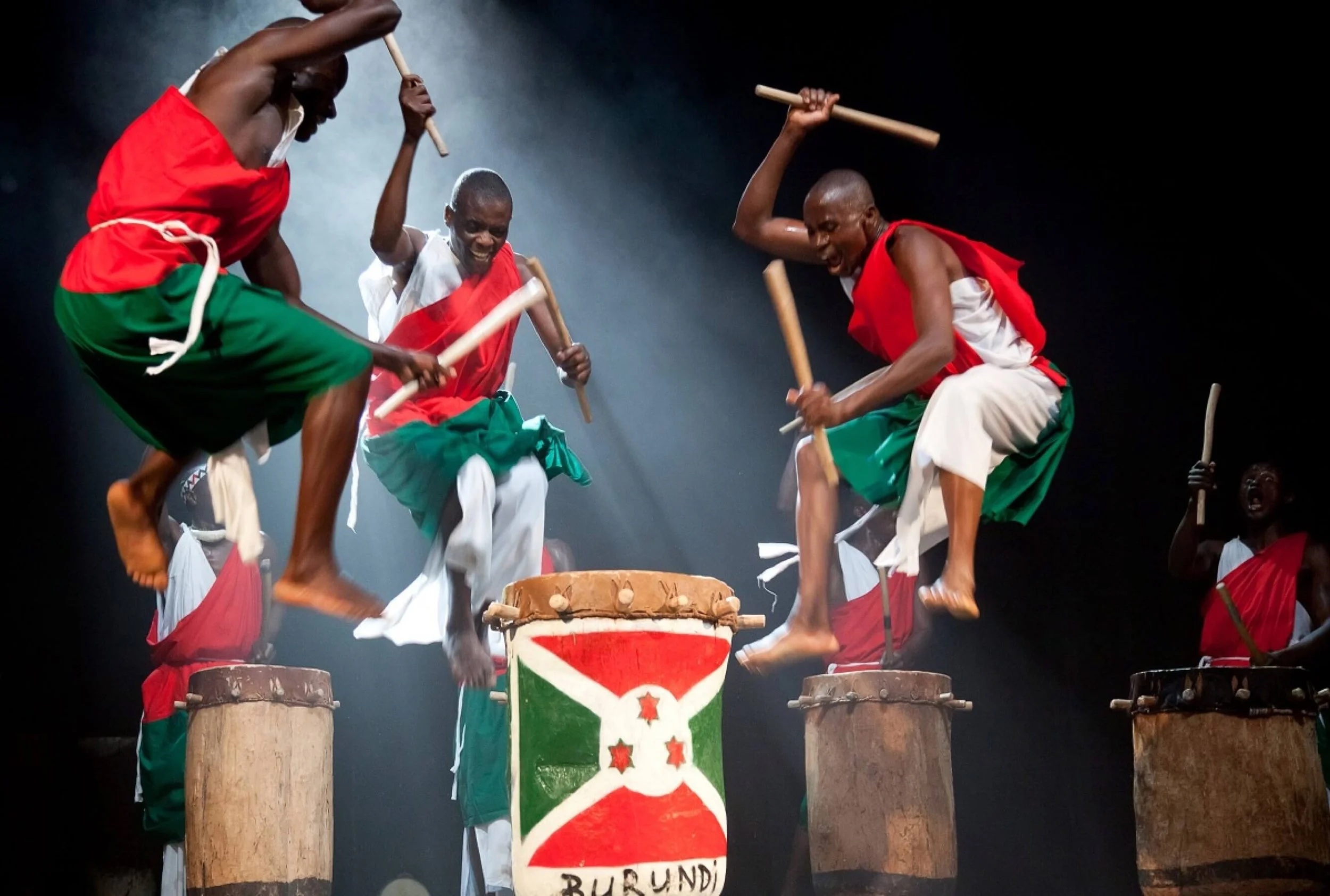
Cultural performances and festivals across the country
Modern drumming groups that keep the rhythmic tradition alive
Contemporary ensembles continue the artistic side of drumming, while museums preserve the historical and political significance of the original royal instruments.
Frequently Asked Questions
What does Ingoma mean in Kinyarwanda?
Ingoma means both “drum” and “kingdom” or “reign,” reflecting the deep link between the instrument and royal power.
What was the most important royal drum?
Karinga was the supreme royal drum and the ultimate symbol of the Rwandan kingdom.
Were royal drums used for music?
Some drums were played for ceremonies and court life, but the highest royal drums primarily served political and sacred roles rather than regular musical performance.
Can people still see royal drums in Rwanda?
Yes. Museums such as the Kings’ Palace Museum in Nyanza and the Ethnographic Museum display related artifacts and replicas. Live drumming performances also keep the tradition visible.
Why were drums so important to the monarchy?
Possession of the royal drums symbolized legitimate authority. They embodied the power, continuity, and spiritual foundation of the kingdom.
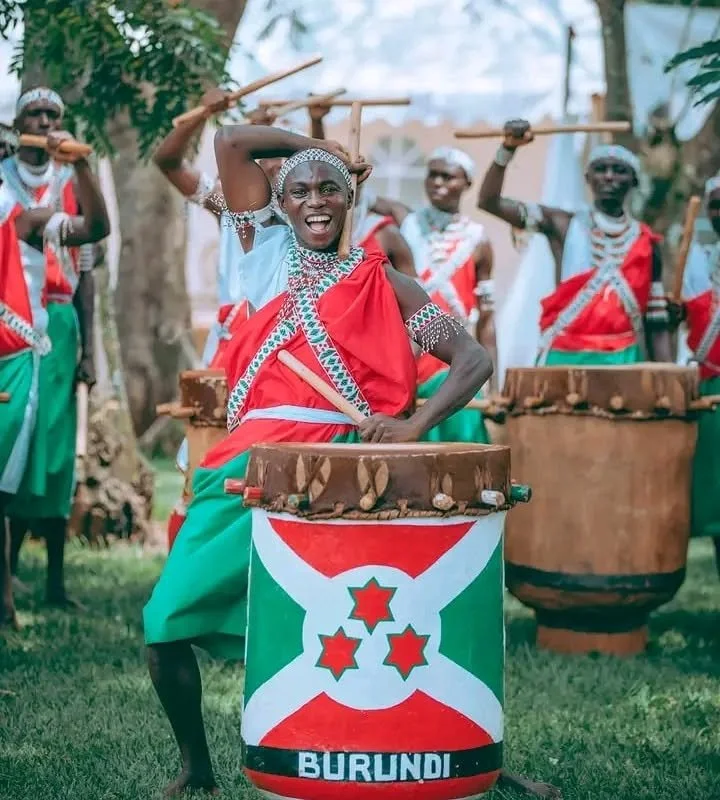
The royal drums of Rwanda were never just about sound. They carried the weight of kingship, the memory of victories, and the identity of a nation. Even after the monarchy ended, their deep resonance continues to speak of power, heritage, and cultural continuity.
Next time you hear the powerful beat of Ingoma, you will understand that you are listening to more than rhythm. You are hearing echoes of Rwanda’s royal past still alive in the present.
Want to explore more of Rwanda’s rich cultural heritage? NKENNE brings you authentic stories, language insights, and traditions that connect you to the heart of the country. Join us and keep discovering Rwanda’s living history.