
By: Chimdindu Ken-Anaukwu
King Cetshwayo stood at the center of one of the most dramatic chapters in Zulu history. He ruled a powerful kingdom at a time when British colonial pressure was rising across southern Africa. His decisions shaped the Anglo-Zulu War of 1879, and his later exile marked the end of an independent Zulu monarchy as it had existed. In this guide, you will learn about Cetshwayo’s rule, the war that defined his reign, and the years of exile that followed.
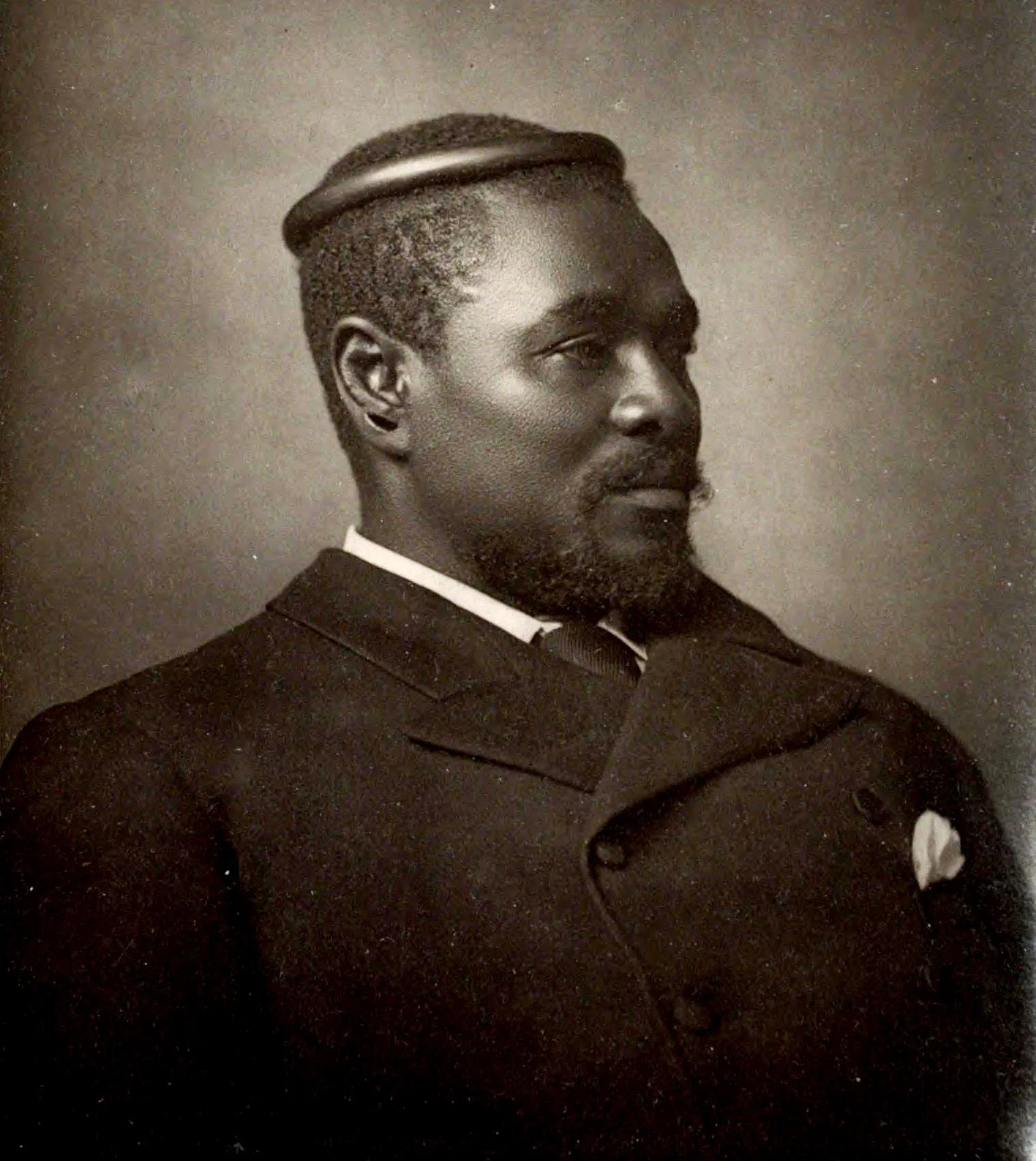
Who Was King Cetshwayo
Cetshwayo kaMpande was the last independent king of the Zulu Kingdom before full British control.
He was the son of King Mpande and became ruler in 1872.
Cetshwayo inherited a strong military tradition built by Shaka and maintained by his father. At the same time, he faced growing pressure from British officials who wanted to control Zululand.
His leadership combined traditional authority with careful attempts to manage relations with the colonial powers.
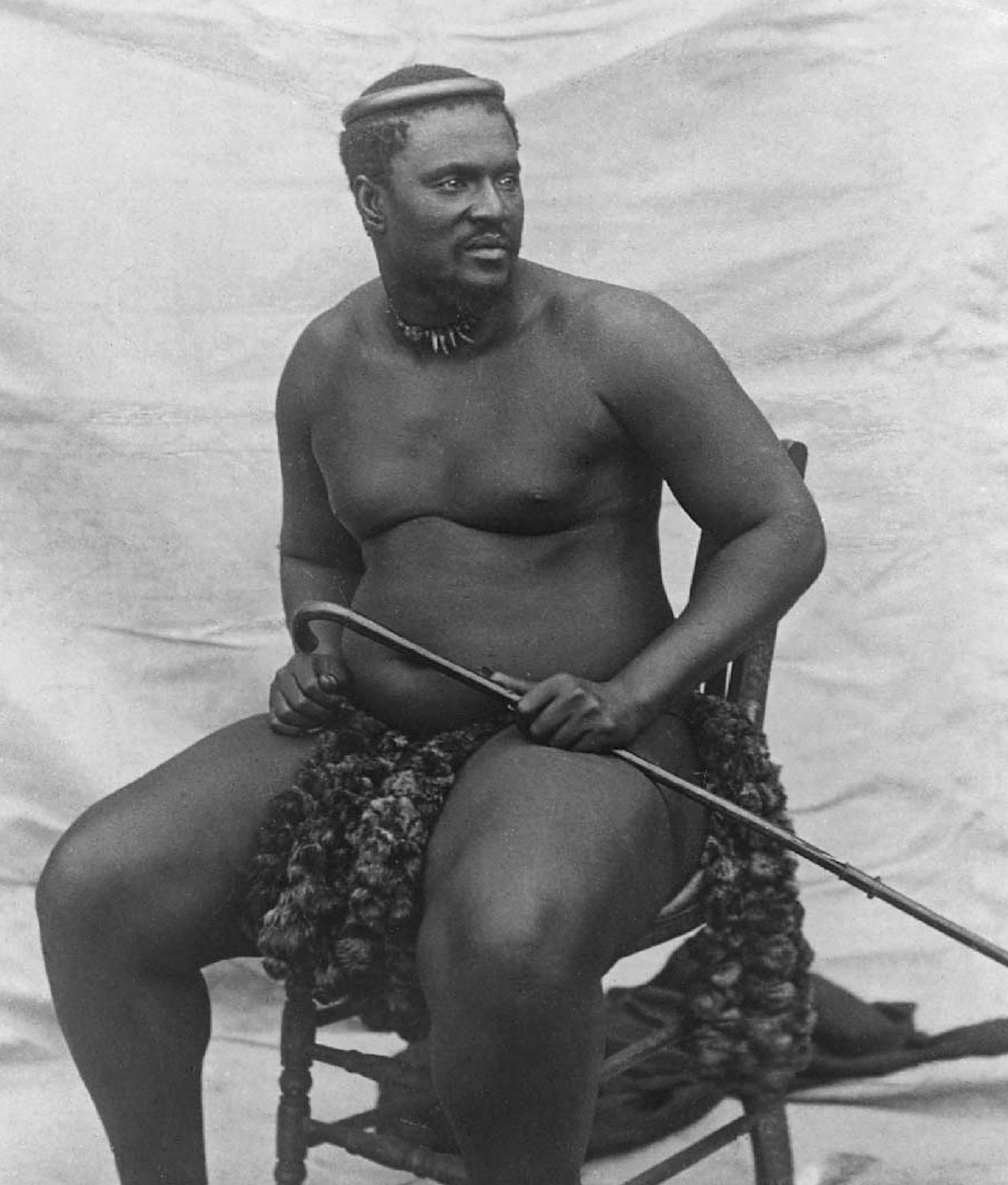
Cetshwayo’s Rise to Power
After the death of King Mpande, Cetshwayo secured the throne with the support of key chiefs and the Zulu army.
He worked to rebuild and strengthen the military system. He also tried to keep the kingdom stable while dealing with increasing British demands.
Cetshwayo was known as a capable and thoughtful leader. He understood both the strength of Zulu traditions and the danger posed by colonial expansion.
The Path to the Anglo-Zulu War
In the late 1870s, British authorities issued an ultimatum to Cetshwayo.
They demanded that he dismantle the Zulu military system and accept greater colonial influence.
Cetshwayo refused. He believed the demands would destroy the independence of the Zulu people.
When the deadline passed without compliance, British forces invaded Zululand in January 1879. The Anglo-Zulu War had begun.
The War of 1879: Victory and Defeat
The early part of the war brought a stunning Zulu success.
At the Battle of Isandlwana on 22 January 1879, Zulu forces defeated a major British column. The victory shocked Britain and showed the strength of Zulu military organization.
However, the war continued. British reinforcements arrived, and the tide turned.
In July 1879, British forces defeated the Zulu army at the Battle of Ulundi. The royal kraal was burned, and the independent military power of the kingdom was broken.
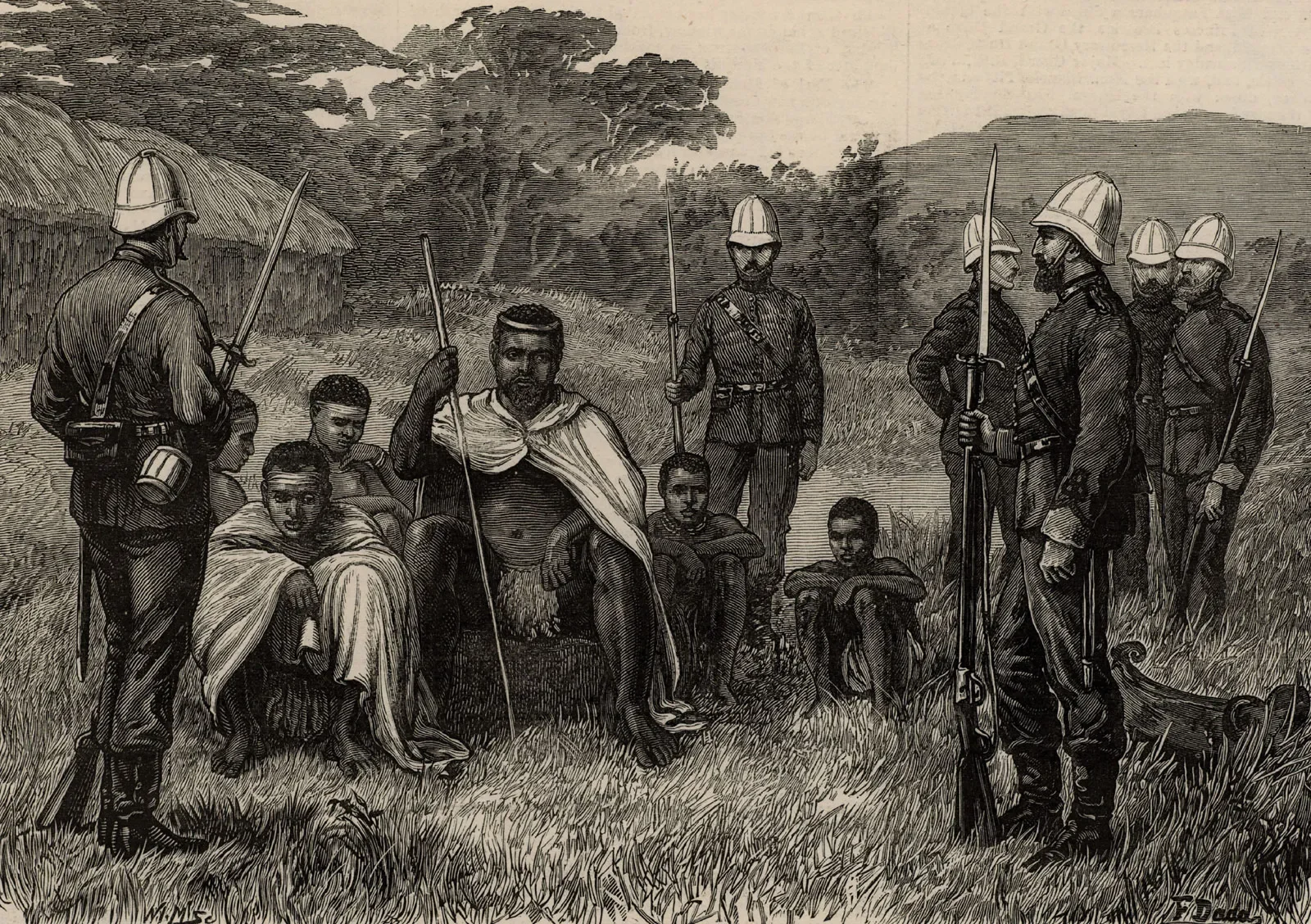
Capture and Exile
After the defeat at Ulundi, Cetshwayo was hunted and eventually captured.
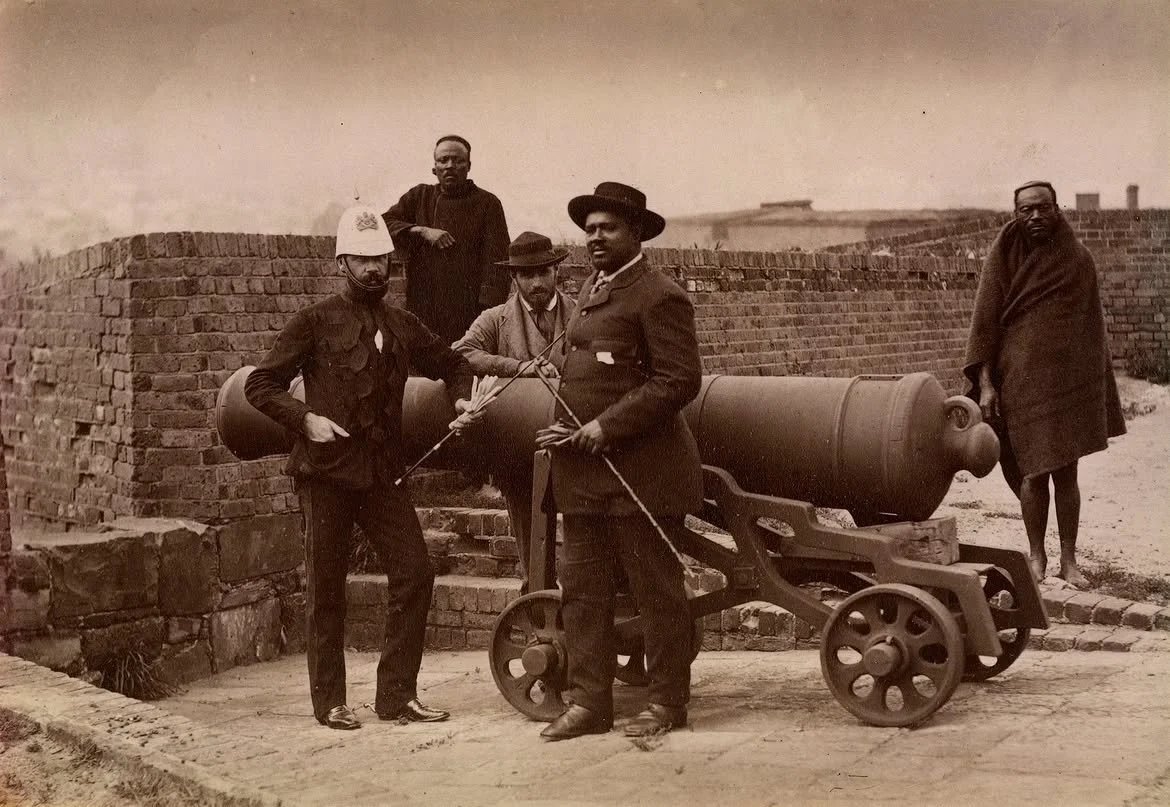
He was sent into exile, first to Cape Town. Later he was taken to London, where he met Queen Victoria and appealed for the restoration of his kingdom.
His time in exile made him a figure of international interest. Some in Britain saw him as a wronged monarch. Others viewed him as a defeated enemy.
Return and Final Years
In 1883, Cetshwayo was allowed to return to a portion of Zululand.
The kingdom had already been divided by British authorities, and civil conflict broke out between rival factions.
Cetshwayo’s final months were marked by instability. He died in 1884. The exact circumstances of his death remain debated, but his passing marked the end of the old independent Zulu monarchy.
Why Cetshwayo’s Story Still Matters
Cetshwayo represents a leader who tried to protect his people’s independence under extreme pressure.
His reign shows both the strength of the Zulu kingdom and the heavy cost of colonial expansion.
The victories and defeats of 1879 still shape how people remember Zulu resistance. Cetshwayo’s exile and brief return also highlight the political struggles that followed military defeat.
For many, he remains a symbol of dignity and determination in the face of overwhelming force.
FAQs
When did Cetshwayo become king?
He became king of the Zulu Kingdom in 1872 after the death of his father, King Mpande.
What caused the Anglo-Zulu War?
British demands that Cetshwayo dismantle the Zulu military system and accept colonial control led to the invasion of 1879.
Did Cetshwayo win any major battles?
Yes. Zulu forces under his overall leadership won a major victory at Isandlwana in January 1879.
Where was Cetshwayo sent after the war?
He was first exiled to Cape Town and later taken to London before being allowed a limited return in 1883.
How did Cetshwayo die?
He died in 1884 during a period of civil conflict in Zululand after his return from exile.
Why is Cetshwayo still remembered?
He is remembered as the last independent Zulu king who faced the full force of British invasion and tried to defend his people’s sovereignty.
Final Thoughts on a King Who Stood Firm
King Cetshwayo ruled during one of the most difficult periods in Zulu history. He inherited a proud military tradition and faced an empire determined to expand its control. His story includes both remarkable victory and painful defeat, exile, and a troubled return. Understanding Cetshwayo helps us see the human cost of colonial wars and the determination of a leader who refused to surrender the independence of his people without a fight. His legacy continues to speak to questions of leadership, resistance, and identity.
Ready to Explore More Zulu History?
At NKENNE, we bring African histories to life with clear and respectful guides. Discover more about the Battle of Isandlwana, Zulu kings, or the cultural traditions that shaped the kingdom. Keep learning and connecting with this powerful heritage. Your journey into Zulu history continues with us.