
How Hausa Naming Ceremonies (Suna) Decide a Child’s Entire Social Map for Life
By: Chimdindu Ken-Anaukwu
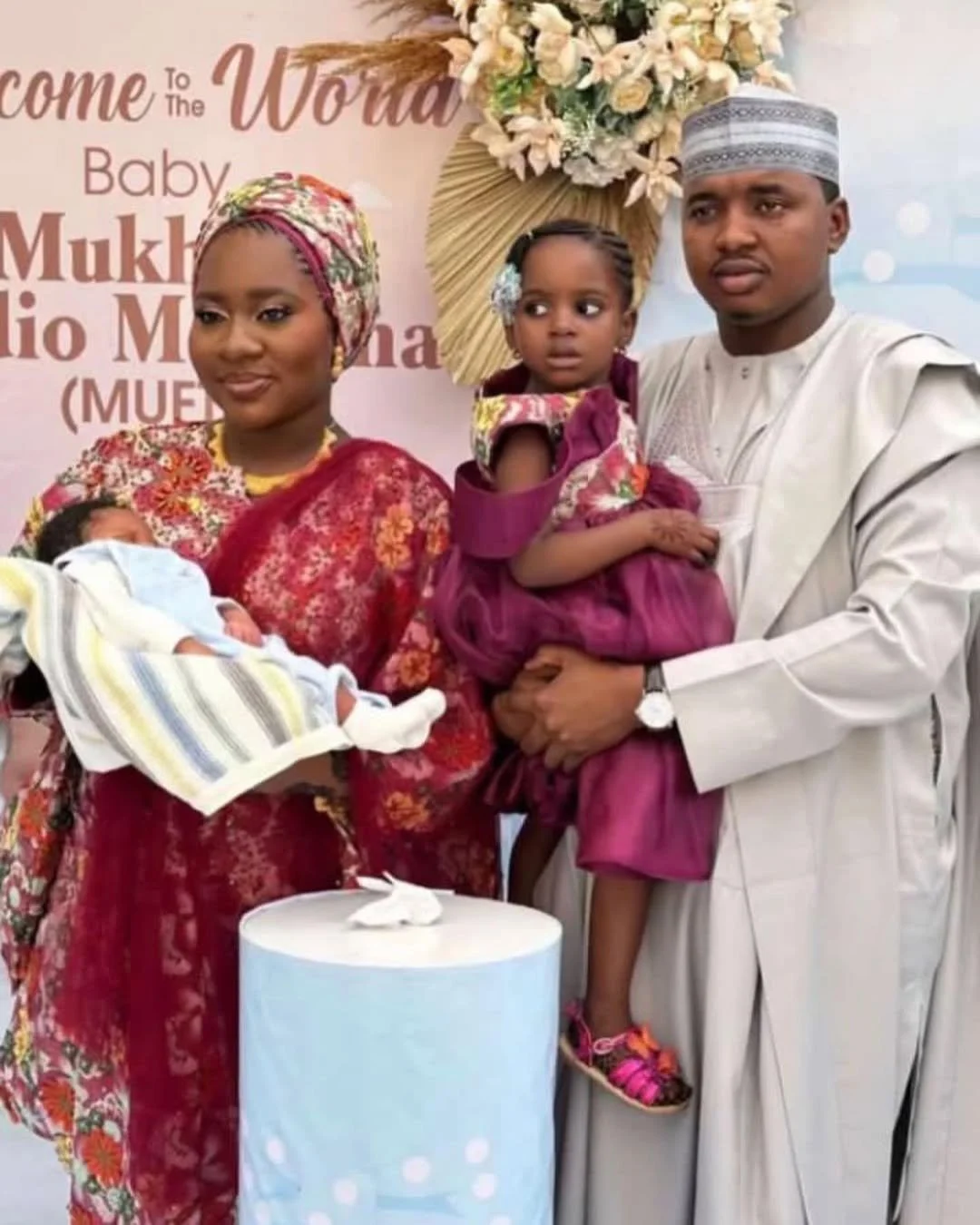
A name in Hausa culture is never just a label. On the seventh day after birth, the bikin suna (naming ceremony) publicly introduces the child to family, community, and society. The name chosen at that moment becomes a lifelong guide shaping identity, expectations, respect, and even social opportunities.
This guide walks you through the ceremony step by step and explains why the name given during ranar suna creates a child’s social map from day one.

What Happens During a Hausa Suna Ceremony?
The ceremony usually takes place early on the seventh day after birth.
The father (or family elder) often chooses the name, sometimes with input from the Imam (Liman). A ram is slaughtered (sunan yanka), symbolizing celebration and sacrifice.
The midwife carries the baby from the mother’s room (daki), across the compound (gida), to the entrance hall (zaure). There, the Liman whispers the name into the child’s ear, then announces it aloud.
The baby is then shown to the gathered community outside. Professional praise singers (maroka) proclaim the name loudly so everyone hears.
Prayers, blessings, and a shared meal follow. Women bring gifts like wrappers, soap, or baby items. The event strengthens family and community bonds.
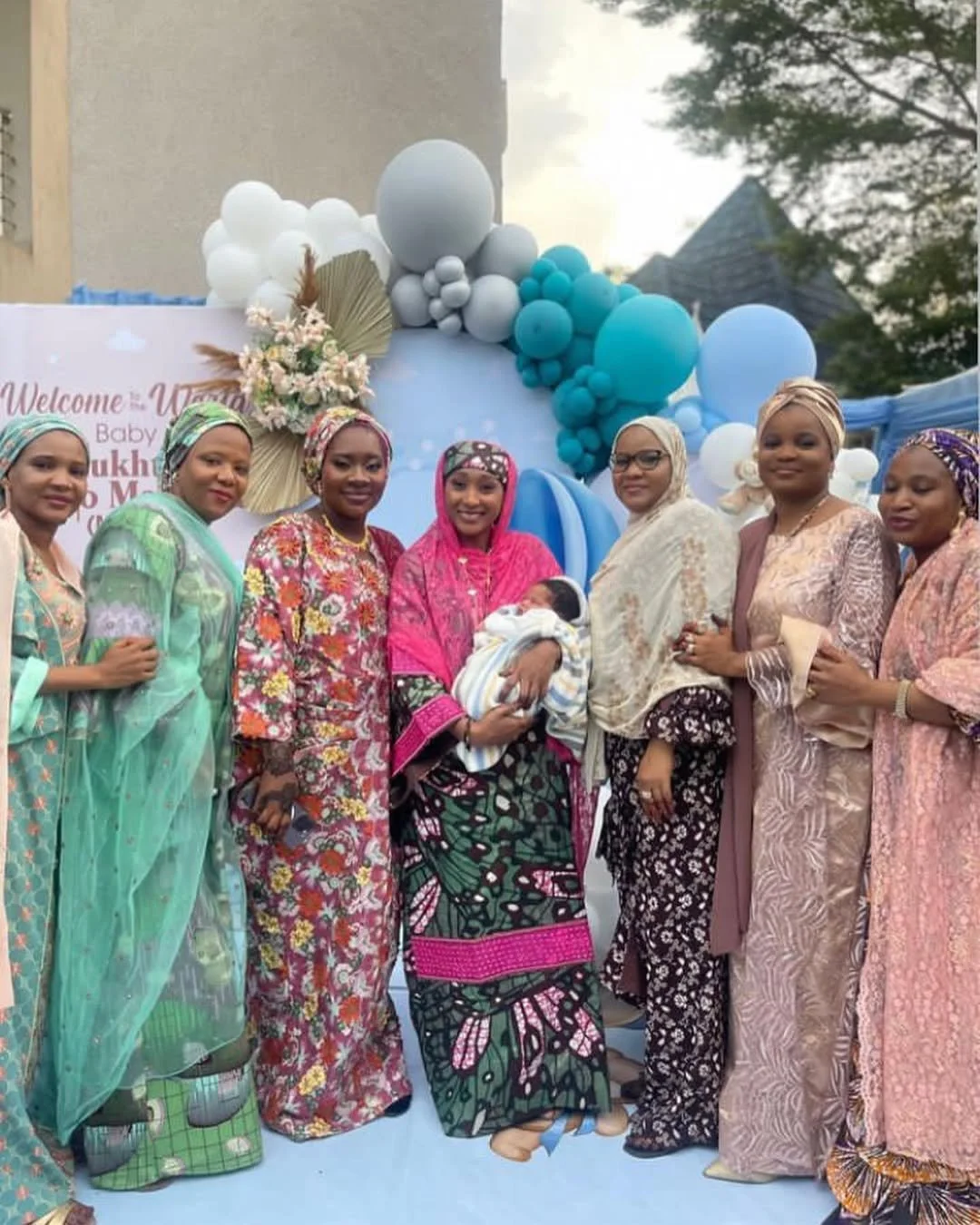
The Two Names: Secret and Public
Hausa tradition gives two names at the start of life.
Secret name (hidden name): Given privately on the 3rd day (boy) or 4th day (girl). It stays within the immediate family and protects the child from evil influences.
Public name (sunan rana or sunan yanka): Announced at the suna ceremony on the 7th day. This is the name the child carries into the wider world.
The number seven (3 + 4) symbolizes the union of male and female elements, marking the child’s full entry into society.
How the Name Builds a Child’s Social Map
The public name immediately places the child on a social map.
Religious identity: Islamic names like Abdullahi (servant of God) or Amina signal faith and moral expectations.
Family position: Names like Tanko (boy born after many girls) or Kande (girl born after many boys) show birth order and family dynamics.
Circumstances of birth: Names can reflect the day (Danjuma for Friday-born), weather, or events (Ajuji for a child born after siblings who did not survive — meant to confuse evil spirits).
Hopes and character: Names carry prayers for strength, kindness, or success.
From childhood, people address the child by this name. It influences how elders speak to them, what nicknames form, and the respect or expectations they receive. In adulthood, the name follows them in marriage, work, and community roles.
Types of Names and Their Meanings
Hausa names fall into clear categories:
Islamic/Arabic names: Common today — e.g., Muhammad, Fatima, Ibrahim. They connect the child to faith and prophets.
Indigenous Hausa names: Reflect time, place, or events — e.g., names tied to rainy season, market day, or family history.
Circumstantial names: Based on birth conditions, like weather or family situation.
Nicknames or praise names: Often added later, but the suna name sets the foundation.
These names embed knowledge about kinship, history, environment, and community hopes.
Why the Ceremony Matters Today
Even with modern life and urban moves, many Hausa families still hold suna on the seventh day.
The ceremony welcomes the child publicly, reinforces Islamic values, and passes down cultural identity. In a changing world, it reminds everyone that a name is a prayer, a map, and a bond.
It continues to strengthen extended family ties and community belonging.
Frequently Asked Questions
When does the Hausa suna ceremony take place?
Usually on the seventh day after birth, often in the morning.
Who chooses the child’s name?
The father or family elders, sometimes consulting the Imam.
What is the difference between secret and public names?
The secret name protects the child privately; the public name is announced at suna and used socially.
Do names really influence a child’s future?
In Hausa belief, yes. The name carries prayers, expectations, and social positioning that shape how the child is seen and treated.
Are indigenous Hausa names still used?
Yes, alongside Islamic names, especially those reflecting family circumstances or birth order.
What food is served at a suna?
Tuwo, miya, kunu, meat dishes, and kola nuts, depending on the family’s means.
The suna ceremony is the first big step in mapping a child’s place in Hausa society. It turns a newborn into a named member of the community, carrying identity, values, and hopes forward.
Ready to explore more Hausa traditions? NKENNE offers deeper guides on culture, language, and everyday life. Join us, discover the rich layers of Hausa heritage together.