
Hausa Architecture Secret: How Three Zones Balance Privacy and Hospitality
By: Chimdindu Ken-Anaukwu
Walk up to any old Hausa compound in Kano, Katsina or Zaria and you’ll see tall mud walls and one main gate. It looks straightforward, but inside lies a clever system built over centuries.
This guide takes you through the three zones step by step. You’ll understand exactly why the layout exists, how it works in daily life, and why the same ideas still matter today.
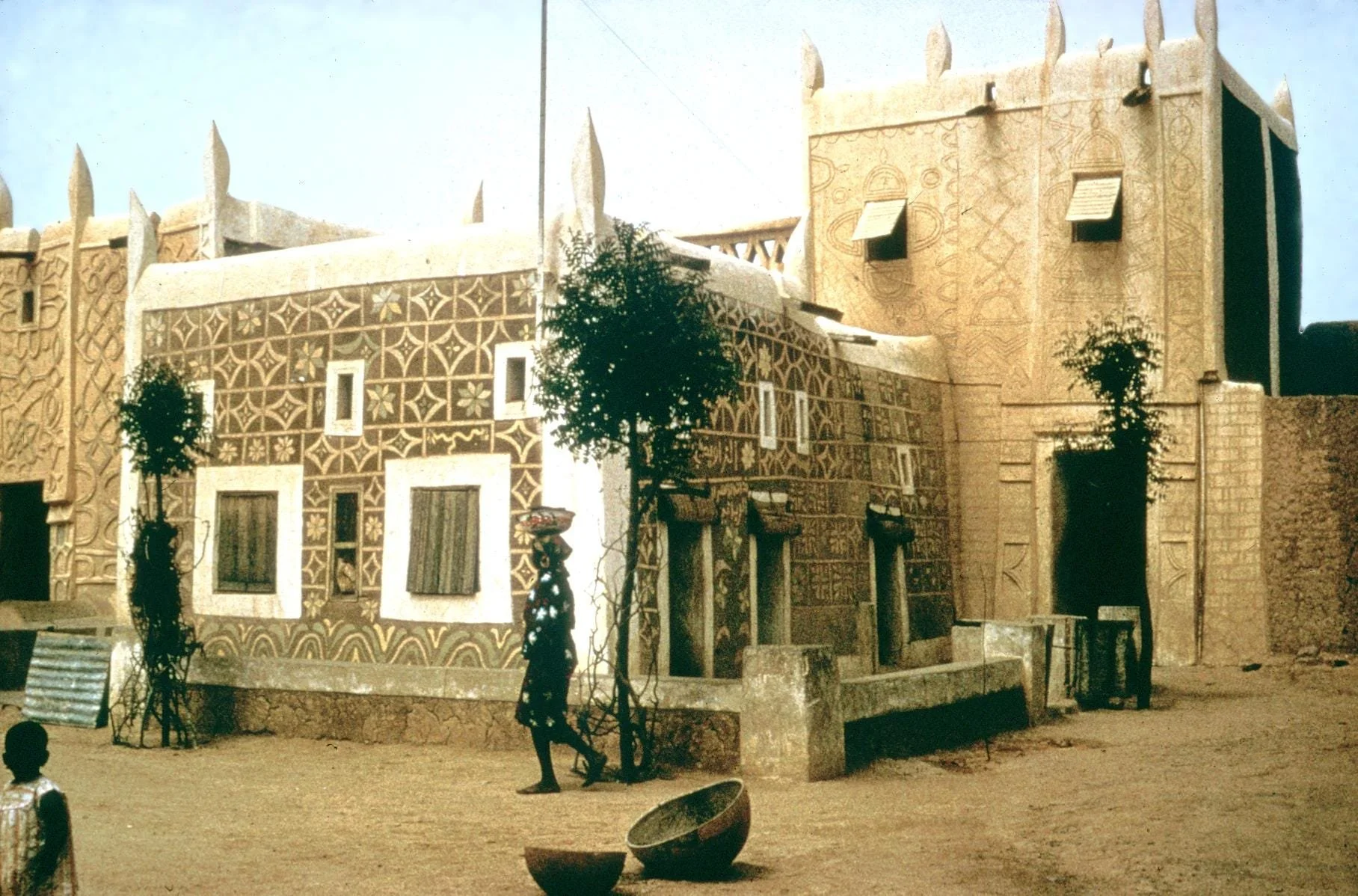
The Three-Zone System Explained
Traditional Hausa compounds are divided into three clear zones.
One main gate from the street leads you through them in order.
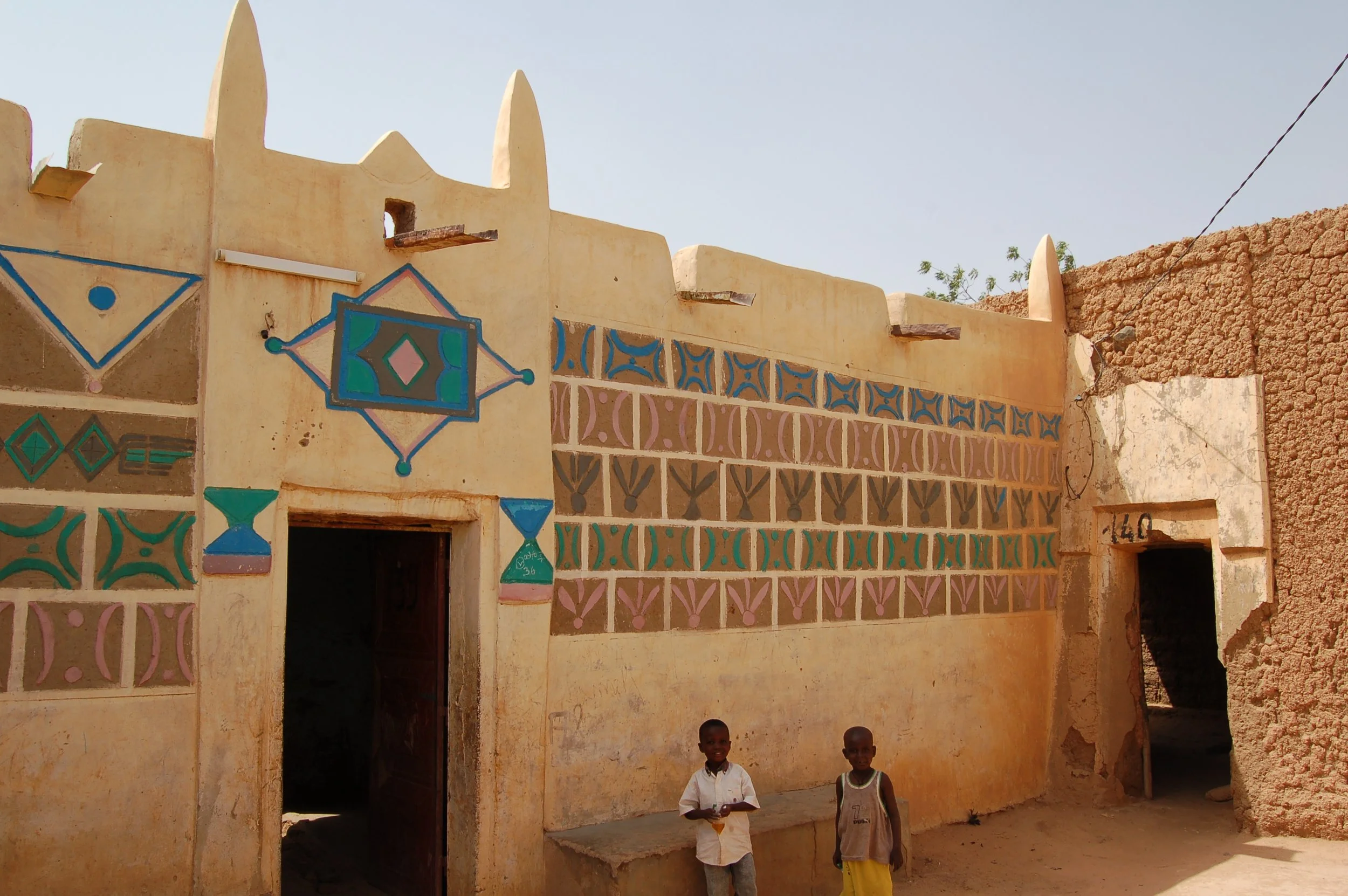
High mud walls surround everything, and there are almost no windows facing the road.
This creates a protected world inside while still letting guests feel welcome.
Zone 1: Zaure – Public Welcome Area
You step through the street gate and immediately enter the zaure.
This is a roofed entrance hall with benches or mats.
Any male visitor who is not family stops here.
You offer water, greetings, and conversation, but nothing more.
This space shows respect: the visitor feels honoured, yet the family stays safely out of sight.

Zone 2: Shigfa & Forecourt – Controlled Transition
From the zaure you walk into the open forecourt (also called sarari or kofar gida).
A short passage or hall called shigfa often separates this area from deeper parts of the house.
Only close male relatives or very trusted friends come this far.
Blank walls and offset doorways block direct views.
Women can cross the space without being seen; the design acts like a built-in hijab.
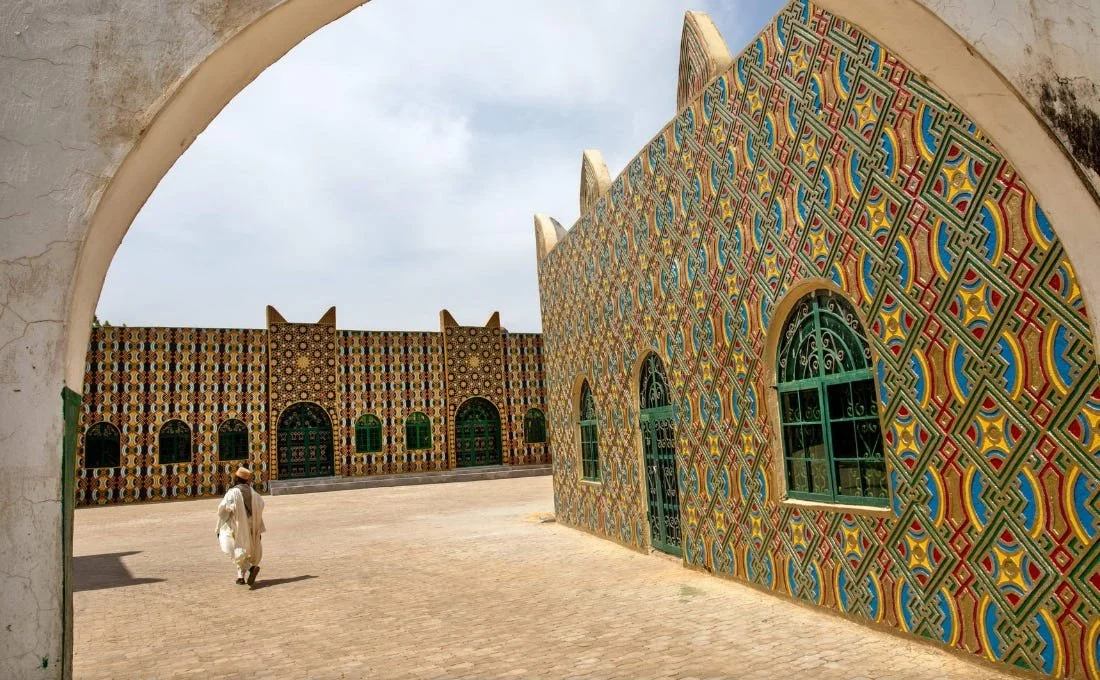
Zone 3: Cikin Gida – Private Family Core
Now you reach the innermost zone: cikin gida.
Only wives, children, close female relatives and approved women visitors enter.
Here you find bedrooms, kitchens, courtyards and everyday living spaces.
The courtyards bring light and breeze, but everything stays hidden from outsiders.
This is where real family life happens: in complete privacy.
Why the Design Works: Islamic Values and Hausa Wisdom
The three zones solve three important needs at once.
They protect women’s modesty (purdah).
They allow warm hospitality without intrusion.
They let extended families grow together safely.
Thick mud walls keep the house cool in the Sahel heat and protect against dust and noise.
The layout is practical, respectful and deeply rooted in both Hausa custom and Islamic teaching.
How These Ideas Live On Today
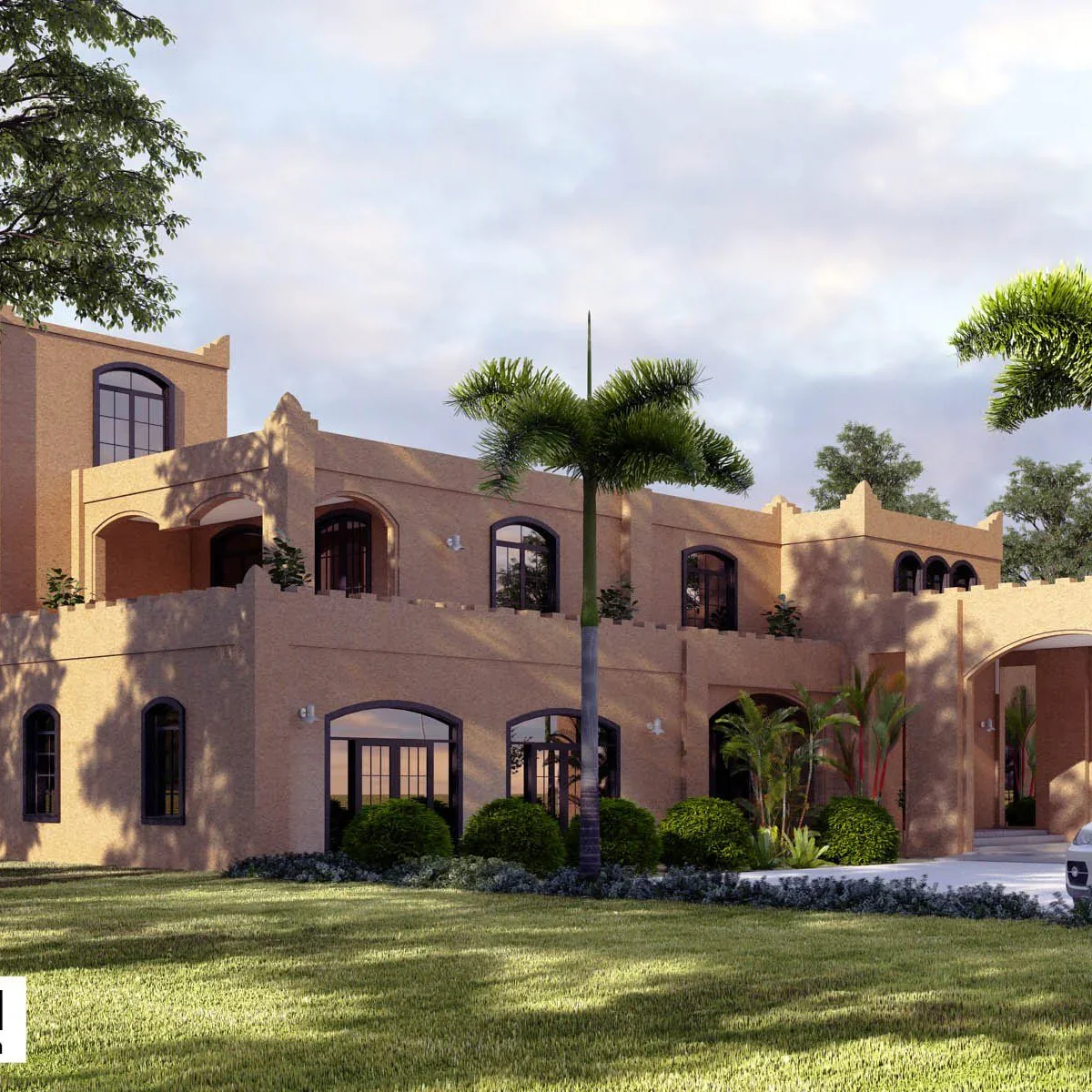
Modern concrete houses in cities often keep the same pattern.
A front parlour for guests, a middle area for close relatives, and private rooms at the back.
Even in apartments or diaspora homes, many families still separate “public” and “family” spaces.
The principles of privacy, respect, and community remain strong.
They simply adapt to new buildings and new times.
Frequently Asked Questions
Why do Hausa compounds focus so much on privacy?
Islamic values and Hausa culture place high importance on protecting women from unrelated men’s view.
Are there always exactly three physical doors?
No, the “three doors” usually means three zones connected by passages or doorways.
What happens if a stranger tries to go beyond the zaure?
It simply doesn’t happen. Everyone respects the boundary.
Do young Hausa people still build homes this way?
Many do, especially in family compounds. Others adapt the zones to modern layouts.
How does the climate influence the design?
Thick walls and inward courtyards keep the house cool and protected from dust and heat.
Can I visit a traditional compound as a tourist?
Yes, many families welcome respectful visitors into the zaure. Always ask politely first.
Understanding these three zones gives you a new way to see Hausa homes, not just as buildings, but as living expressions of dignity, kindness, and togetherness.
Ready to explore more? NKENNE has full guides, photo stories, and lessons that bring Hausa culture to life. Come walk with us; your next discovery is just one click away.