
Cocoa Plantations and Forro Culture: São Tomé's Forgotten African Legacy
By: Chimdindu Ken-Anaukwu
The sweet taste of fine chocolate often hides a complex and painful history. On the islands of São Tomé and Príncipe, cocoa once made the Portuguese colony one of the world’s largest producers. Behind the wealth stood years of forced labor and exploitation. Today, the Forro people keep their identity alive through their Creole language and vibrant music. In this guide, you will discover São Tomé’s cocoa story, the echoes of its difficult past, and how Forro culture preserves the soul of the islands.
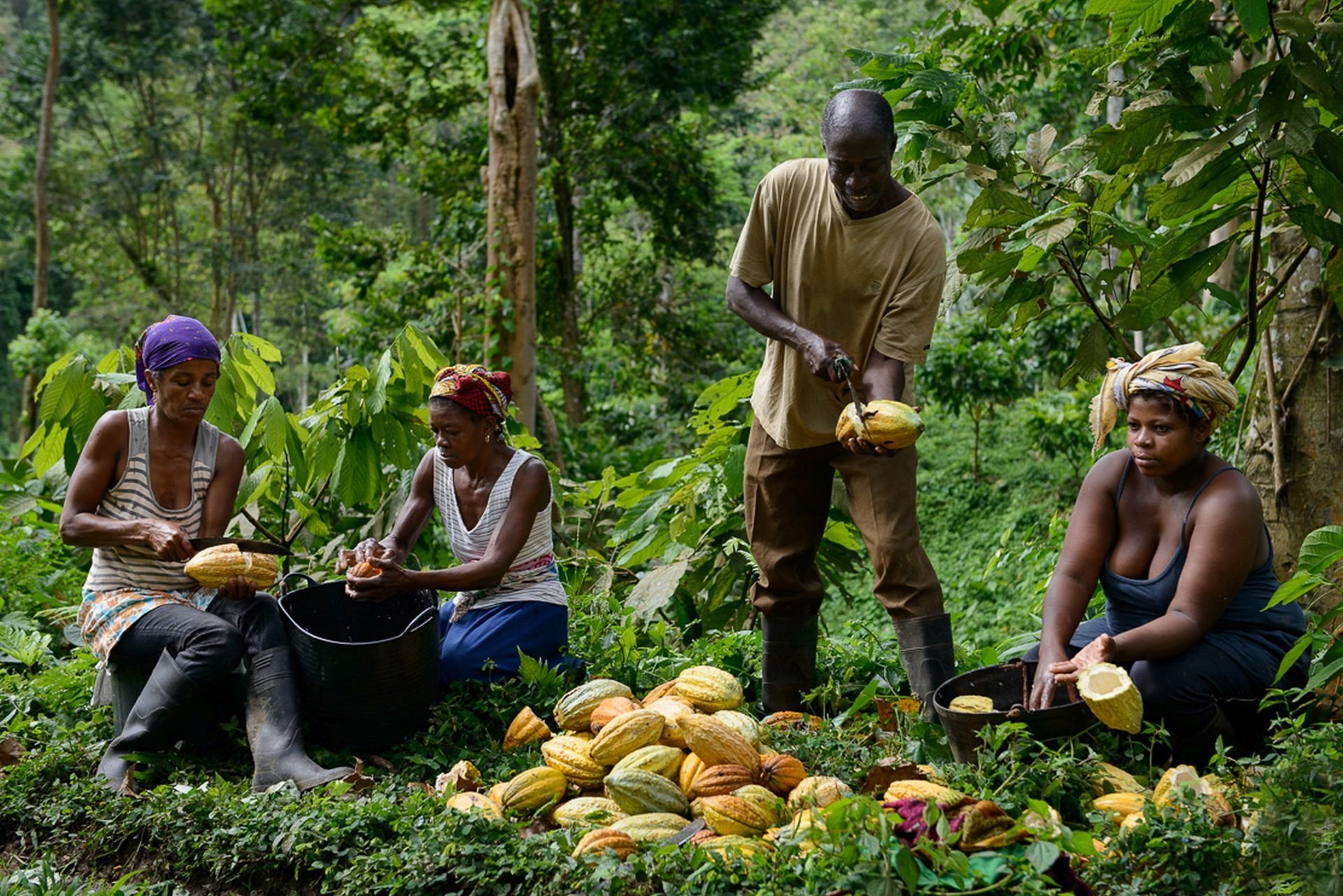
São Tomé’s Rise as a Cocoa Powerhouse
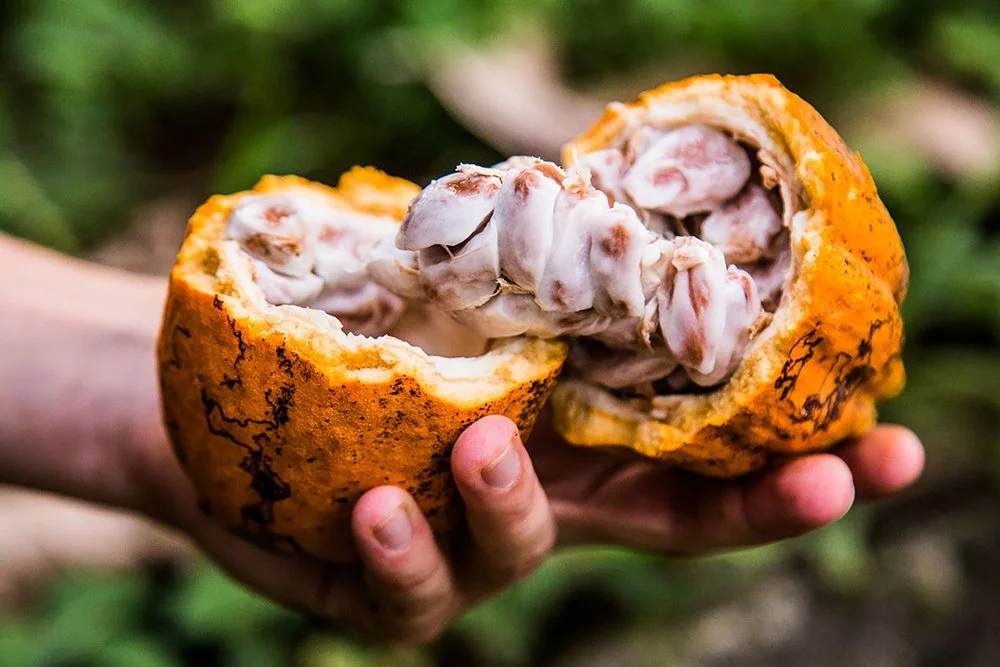
São Tomé and Príncipe became major cocoa producers in the 19th century. Portuguese colonizers turned the islands into large plantations called roças. By the early 1900s, the country supplied nearly 15% of the world’s cocoa.
The rich volcanic soil and humid climate proved perfect for cacao trees. For decades, cocoa brought wealth to the colony and made São Tomé known as the “Chocolate Islands.”
Yet this success came at a heavy human cost that still shapes the islands today.
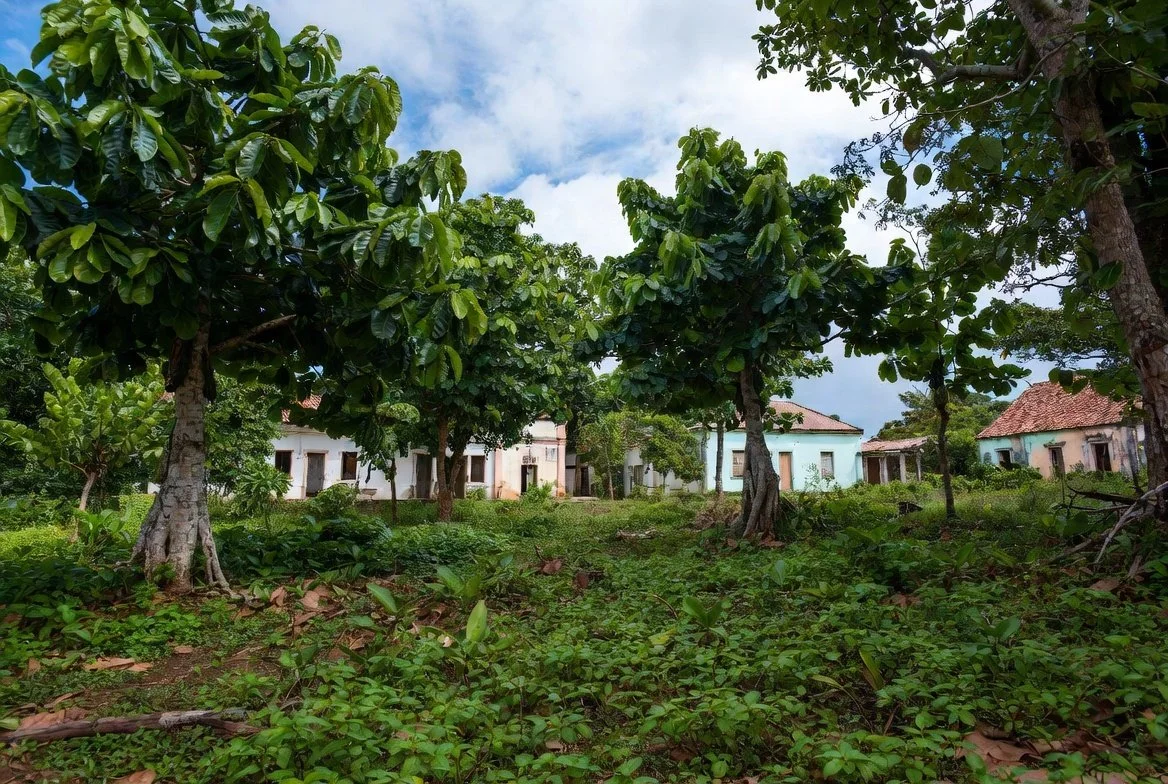
The Dark Side: Forced Labor on the Roças
The cocoa boom relied heavily on forced labor. After slavery was officially abolished, Portuguese authorities brought contract workers from Angola, Mozambique, and Cape Verde. Many arrived under deceptive conditions and faced harsh treatment.
Workers lived in poor conditions on the roças. They worked long hours in the fields with little pay. Stories of exploitation and abuse echo in the collective memory of São Tomé.
This painful chapter forms an important part of the islands’ history. Understanding it helps explain the strength of today’s Forro identity.
Life After Independence
São Tomé and Príncipe gained independence in 1975. The new government nationalized many roças. Production declined as the country adjusted to freedom.
Today, cocoa remains important to the economy, but on a smaller scale. Many former plantations now serve as guesthouses or community projects. The islands are working to produce higher-quality, ethical chocolate for international markets.
This shift from exploitation to empowerment reflects the resilience of São Tomé’s people.
What Is Forro Culture?
Forro refers to the Creole people and culture of São Tomé. The name comes from the Portuguese word for “free,” referring to the descendants of enslaved Africans and Europeans who formed a unique identity.
Forro culture blends African, Portuguese, and other influences. It appears strongly in language, music, food, and daily life. Forro people form the majority on São Tomé and carry forward traditions that survived centuries of colonial rule.
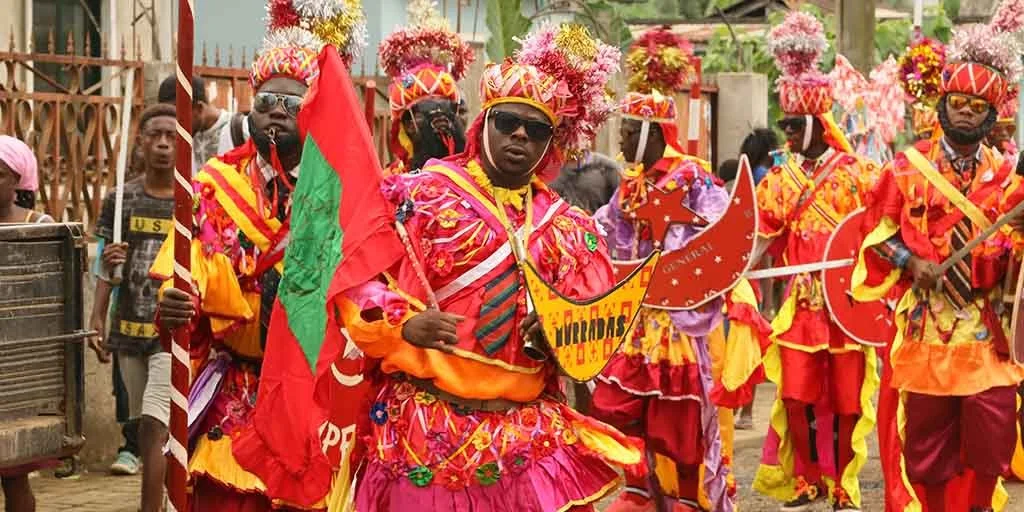
Forro Creole: The Language of Identity
Forro Creole (also called Santomense) is a Portuguese-based Creole language spoken by many islanders. It mixes Portuguese vocabulary with African grammar and words from Bantu languages.
Speaking Forro connects people to their ancestors and distinguishes their identity from mainland Africa and Portugal. Parents pass it to children, and it appears in everyday conversations, stories, and songs.
Even as Portuguese remains the official language, Forro Creole keeps cultural memory strong.
Forro Music: Rhythm of Resilience
Forro music brings energy and emotion to the culture. It features upbeat rhythms with instruments like the dito-dito (a traditional drum), guitar, and violin.
The music often tells stories of daily life, love, and resistance. Traditional dances accompany the songs during festivals and gatherings. Forro music helped people maintain joy and community spirit during difficult times.
Today, younger artists blend traditional Forro with modern styles, keeping the culture relevant for new generations.
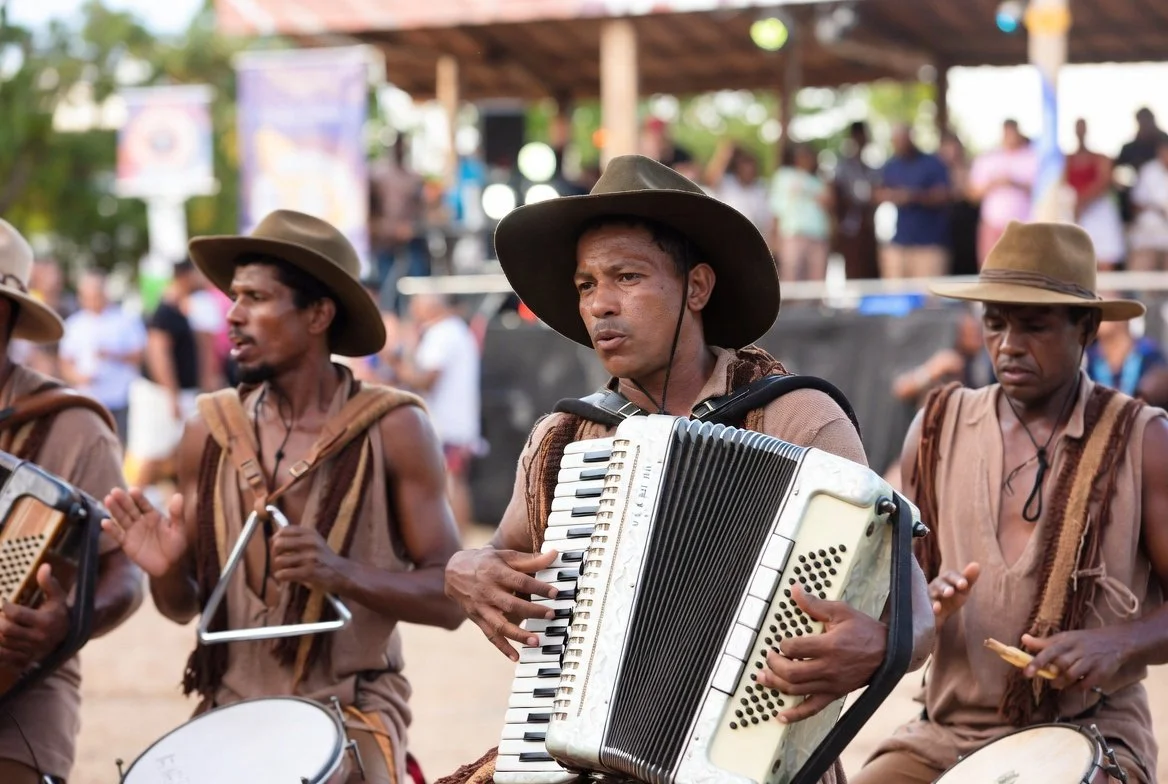
Modern Chocolate and Cultural Revival
São Tomé is experiencing a chocolate renaissance. Small producers focus on fine flavor cocoa and ethical farming. Many involve local communities and highlight the islands’ unique heritage.
Tourists visit old roças to learn the full story, from painful past to hopeful present. This revival celebrates Forro culture while creating economic opportunities.
Chocolate has become a bridge between São Tomé’s history and its future.
FAQs
What is a roça in São Tomé?
A roça is a large cocoa plantation established during Portuguese colonial times.
Why is Forro culture important?
It represents the mixed African and European identity of São Tomé’s people and preserves their unique heritage.
What is Forro Creole?
A Portuguese-based Creole language spoken on São Tomé that blends African and European elements.
How does music help preserve culture in São Tomé?
Forro music passes down stories, values, and community spirit across generations.
Is São Tomé chocolate still produced today?
Yes. The islands produce high-quality cocoa, with growing focus on ethical and artisanal chocolate.
How can learning about this help with Portuguese?
It introduces vocabulary related to history, food, and culture while deepening understanding of Lusophone Africa.
Final Thoughts
São Tomé’s cocoa plantations tell a story of both wealth and suffering. Yet the Forro people transformed that difficult legacy into a strong, vibrant culture. Through their Creole language and soulful music, they keep their identity alive and proud.
Understanding this history gives you greater appreciation for the sweetness of São Tomé’s chocolate and the strength of its people.
Ready to explore more hidden stories from Lusophone Africa? Join NKENNE for immersive lessons on language, culture, and history. Let’s discover these rich legacies together.