
Cape Verdean Morna: The Soulful Blues That Inspired Cesária Évora
By: Chimdindu Ken-Anaukwu
Imagine a slow guitar melody floating over the Atlantic at night. A voice sings of love, distance, and deep longing in Creole words that touch the heart. This is morna, Cape Verde’s most emotional music genre. Often called the “national anthem of the soul,” morna gave the world Cesária Évora and continues to move listeners everywhere. In this guide, you will explore its melancholic melodies, the Creole lyrics that blend African sorrow with Portuguese longing, and how it became a global symbol of Cape Verdean identity.
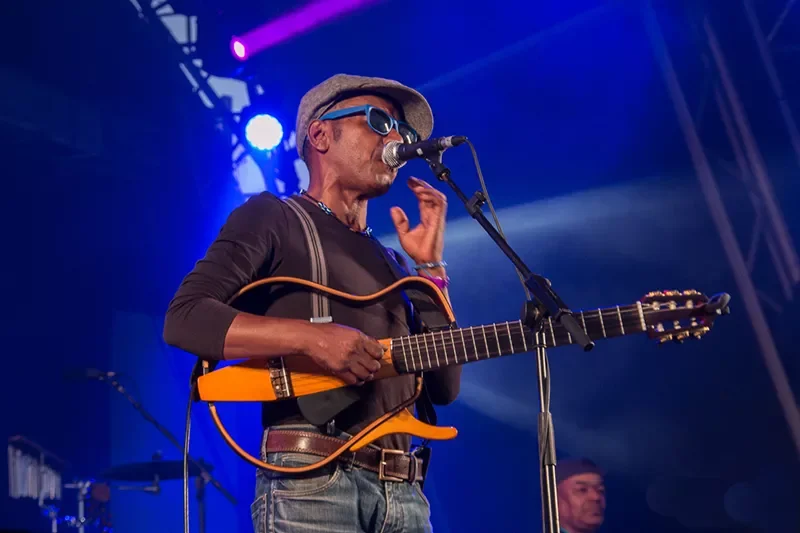
What Is Morna and Why It Matters
Morna is Cape Verde’s signature music and dance style. It expresses the deepest feelings of the islands: separation, nostalgia, love, and hope. UNESCO recognized it as Intangible Cultural Heritage of Humanity in 2019.
It functions like fado in Portugal or tango in Argentina. Morna captures the unique Cape Verdean experience of living on islands where many people must leave for work and dream of returning.
The music brings comfort to those who stay and those who migrate. It connects generations through shared emotion.
Origins and Evolution of Morna
Morna likely began on Boa Vista island in the 18th or 19th century. Early versions were lighter and sometimes humorous. By the late 19th century, poet and composer Eugénio Tavares from Brava island transformed it into the slow, poetic style we know today.
It grew from a mix of African rhythms brought by enslaved people, Portuguese melodies, and the reality of island life marked by emigration, famine, and separation. Over time, it became the musical voice of Cape Verdean resilience.
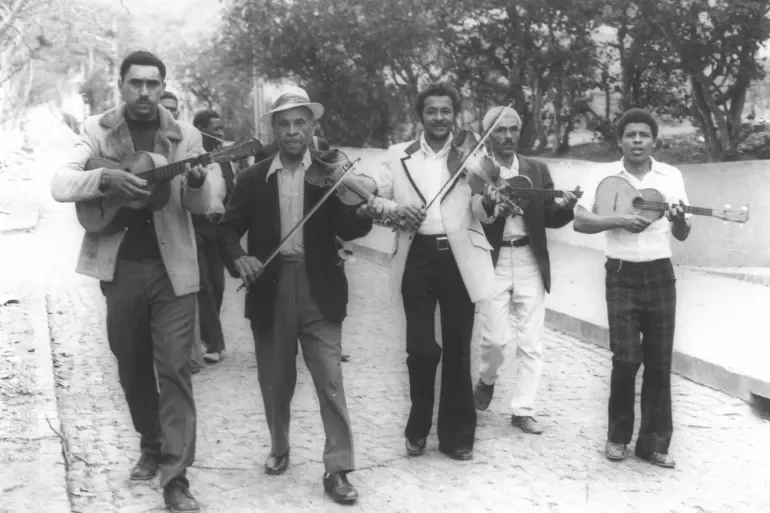
Musical Characteristics: Slow and Soulful
Morna moves at a gentle, reflective tempo. Musicians use guitar, violin, cavaquinho, clarinet, and accordion to create flowing melodies.
The style emphasizes emotion over speed. Singers deliver lines with feeling and subtle ornamentation. The music often feels like a conversation between voice and instruments.
This slow pace lets listeners sink into the mood. It creates space for the heart to speak.
Creole Lyrics and the Power of Sodade
Morna lyrics are usually sung in Cape Verdean Creole (Kriolu). They blend African expressiveness with Portuguese vocabulary and feeling.
The central theme is sodade: a deep, untranslatable longing for someone or somewhere absent. It mixes African sorrow from the history of displacement with Portuguese saudade, the nostalgic ache of what is missing.
Classic songs speak of love lost to emigration, missing the islands, or hoping for reunion. The poetry feels personal yet universal, which explains why people connect with it worldwide.
Cesária Évora: The Barefoot Diva Who Took Morna Global
Cesária Évora, born in Mindelo in 1941, became morna’s greatest ambassador. Known as the Barefoot Diva, she performed without shoes to honor her humble roots.
Her warm, velvety voice and emotional delivery made songs like “Sodade” famous internationally. In the 1990s, her album Miss Perfumado brought morna to global audiences. She won a Grammy and introduced millions to Cape Verde’s soul.
Cesária showed the world that quiet strength and deep feeling could conquer stages everywhere.
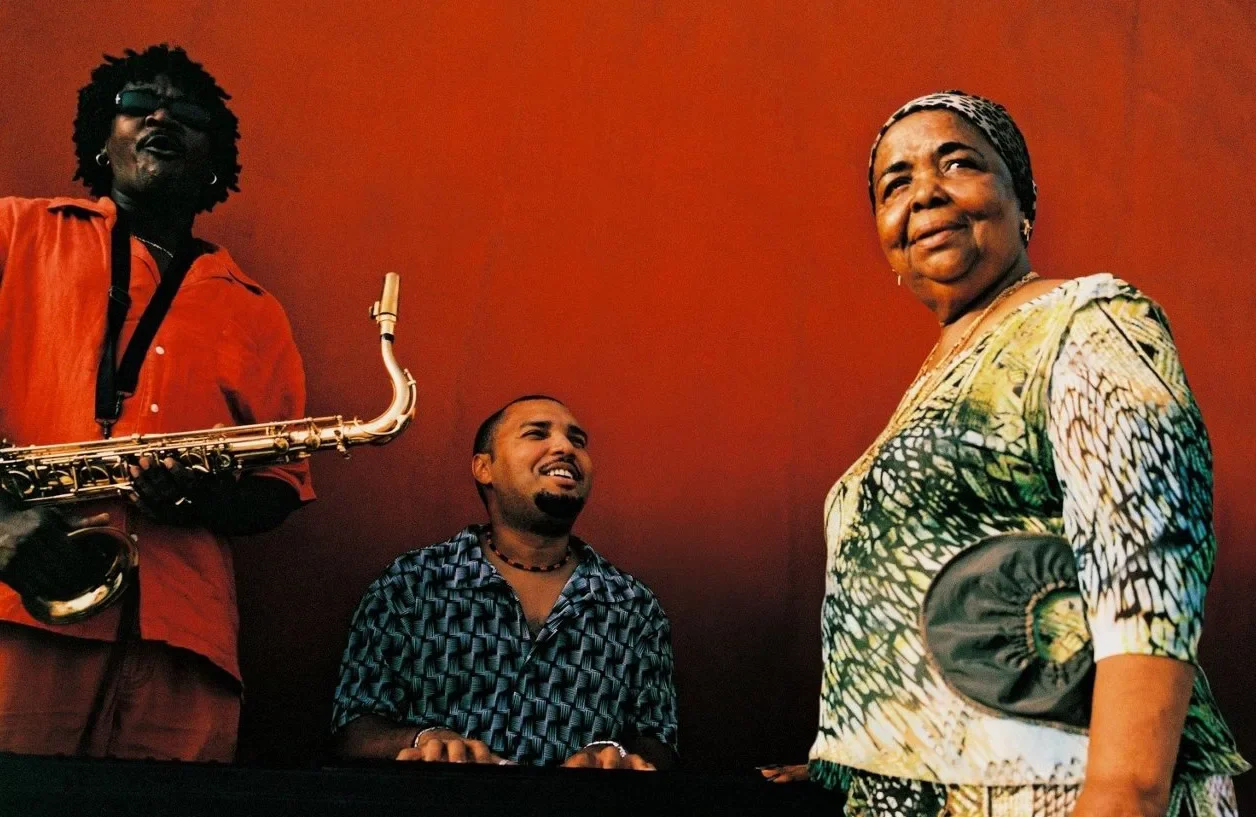
Morna Today: Tradition and Modern Influence
Morna remains alive in Cape Verde. You hear it at family gatherings, festivals, and quiet evenings. New artists blend it with contemporary sounds while keeping the emotional core.
The genre continues to express Cape Verdean identity in the diaspora. It reminds people of home no matter where they live. Its UNESCO status has helped preserve and celebrate this important cultural treasure.
FAQs
What does morna mean?
Morna comes from the Portuguese word for “mild” or “tender,” reflecting its gentle and emotional character.
Why is morna called the national anthem of the soul?
It perfectly captures the Cape Verdean feeling of sodade and the emotions of island life, separation, and longing.
What is sodade in morna?
Sodade is a profound sense of nostalgia and longing, deeper than simple homesickness. It lies at the heart of many morna songs.
How did Cesária Évora influence morna?
She brought morna to international fame with her powerful yet intimate voice and authentic performances.
Is morna only sad music?
While often melancholic, it can also express hope, love, and joy of reunion. It covers the full range of human emotion.
Can I learn morna as a Portuguese learner?
Yes. Many lyrics mix Creole and Portuguese elements. Listening builds listening skills and cultural understanding.
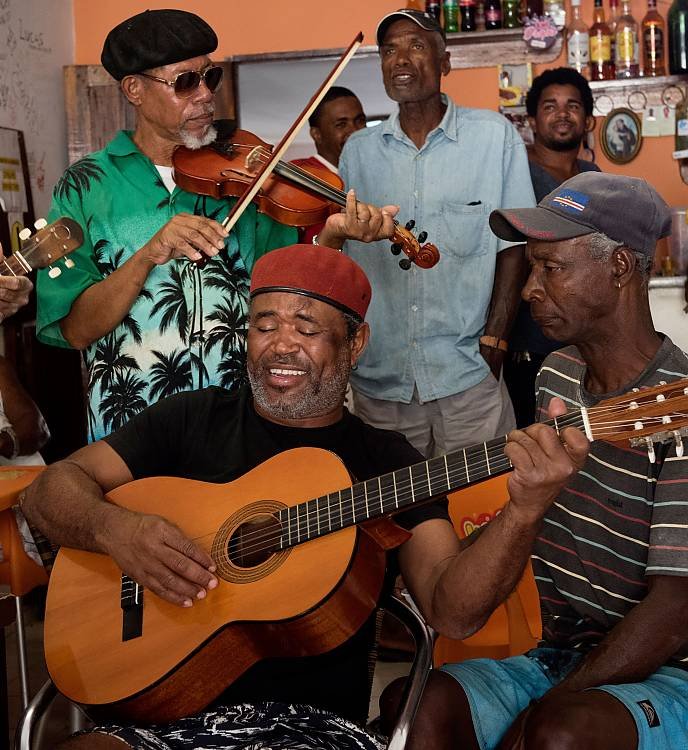
Final Thoughts
Morna is more than music. It is the heartbeat of Cape Verde, turning sorrow and longing into beautiful art. From its Creole poetry to Cesária Évora’s legendary voice, it tells the story of a people who carry their islands wherever they go.
Understanding Morna helps you feel the soul of Lusophone Africa more deeply. It shows how culture can heal distance and keep identity strong.
Ready to experience more Cape Verdean culture and language? Join NKENNE for immersive lessons that connect music, stories, and words. Let’s listen and learn together.