
Brochettes de Bœuf à la Braise: Street Food and the Spirit of Francophone Nights
By: Chimdindu Ken-Anaukwu
When the sun goes down in Ouagadougou, Kinshasa, or Yaoundé, the night comes alive, not with silence, but with the scent of sizzling meat and the laughter of friends gathered around smoky grills.
That’s the spirit of the brochette: it’s not just food; it’s togetherness.
Street vendors fan the coals with pieces of cardboard. Motorbikes hum past. Someone says, “Donne-moi deux brochettes bien piquantes!” (Give me two spicy skewers!)
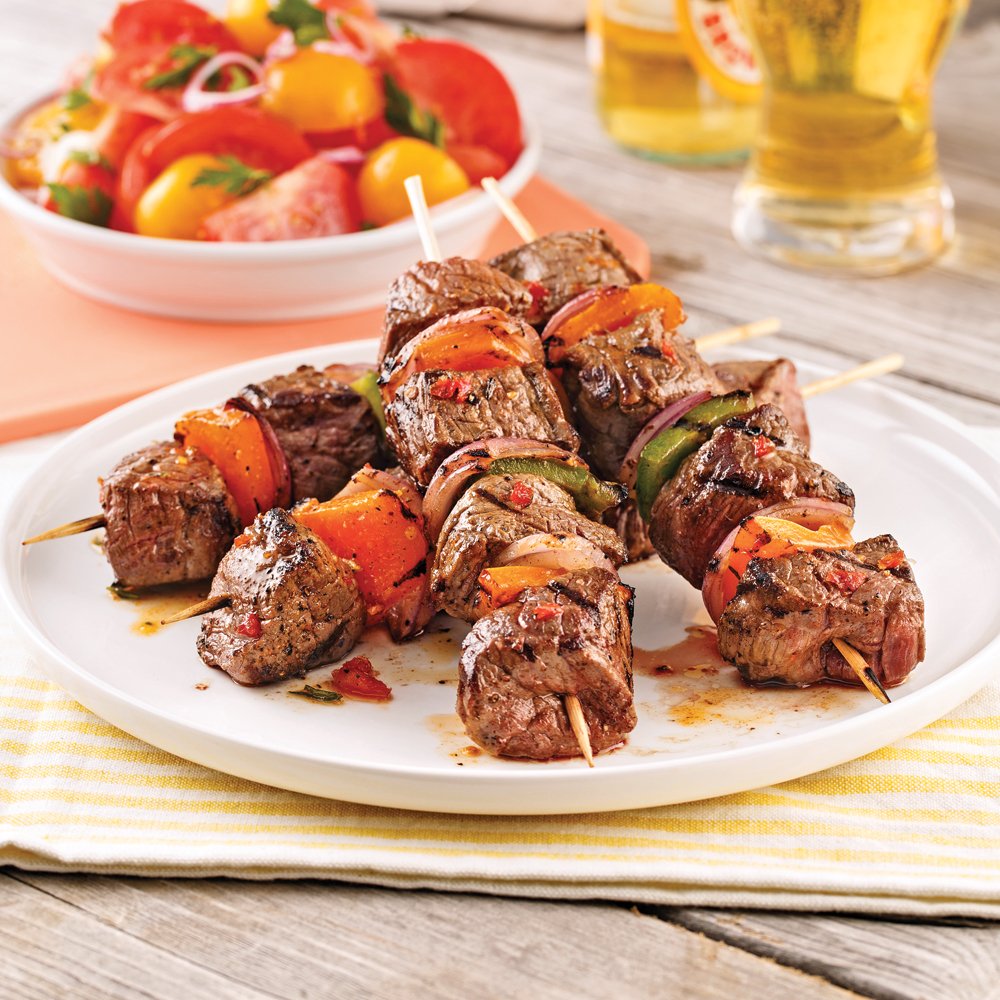
What Are Brochettes de Bœuf à la Braise?
These are grilled beef skewers marinated with spices, onion, garlic, and chili, then cooked over open charcoal until smoky and tender.
They’re the unofficial national snack of Francophone Africa, sold everywhere from roadside stalls in Niamey to beach bars in Abidjan.
Pair them with fried plantains, cassava chips, or just a cold drink, and you’ve got Africa’s version of barbecue perfection.
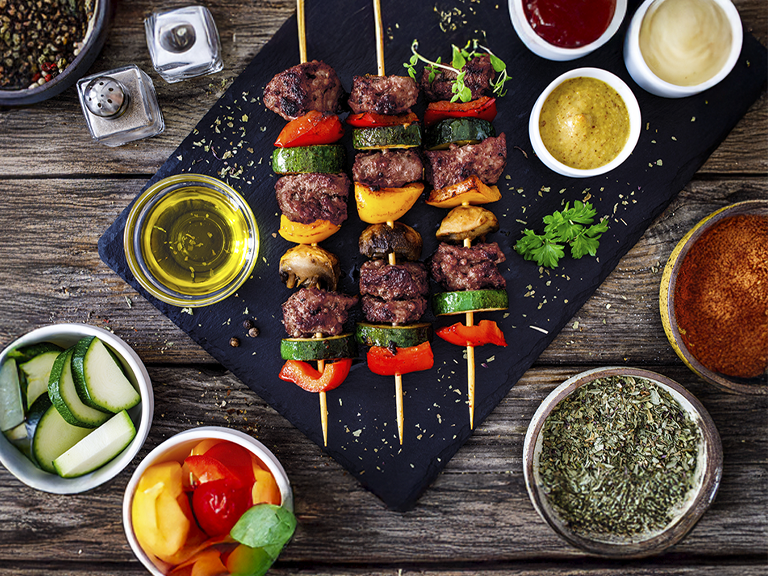
Ingredients You’ll Need
For 4–6 servings:
1 kg (2.2 lbs) beef (tender cuts like sirloin or rump)
2 medium onions (1 blended, 1 sliced for garnish)
4 cloves garlic
1 thumb-sized piece of ginger
1–2 fresh chilies (optional, for heat)
2 tablespoons tomato paste
1 teaspoon paprika or cayenne pepper
1 tablespoon mustard (Dijon or African local)
2 tablespoons vegetable oil or peanut oil
Salt and black pepper to taste
Wooden or metal skewers
Optional: Maggi or cube seasoning (common in African cooking)
Step-by-Step Recipe
Step 1: Prep the Meat
Cut the beef into small cubes (around 2–3 cm each). The smaller, the better — they’ll cook faster and soak up more flavor.
Step 2: Make the Marinade
Blend or crush together: garlic, ginger, chili, 1 onion, tomato paste, mustard, oil, salt, and pepper.
Coat the beef cubes in the marinade and mix well.
👉 Tip: Let it rest for at least 1 hour, or overnight for deep flavor.
Step 3: Skewer and Grill
Thread the marinated beef onto skewers. Grill over charcoal or a gas grill on medium-high heat.
Turn often, brushing with a little oil or leftover marinade. Grill until browned and slightly charred on the edges (about 10–15 minutes).
Step 4: Serve with Style
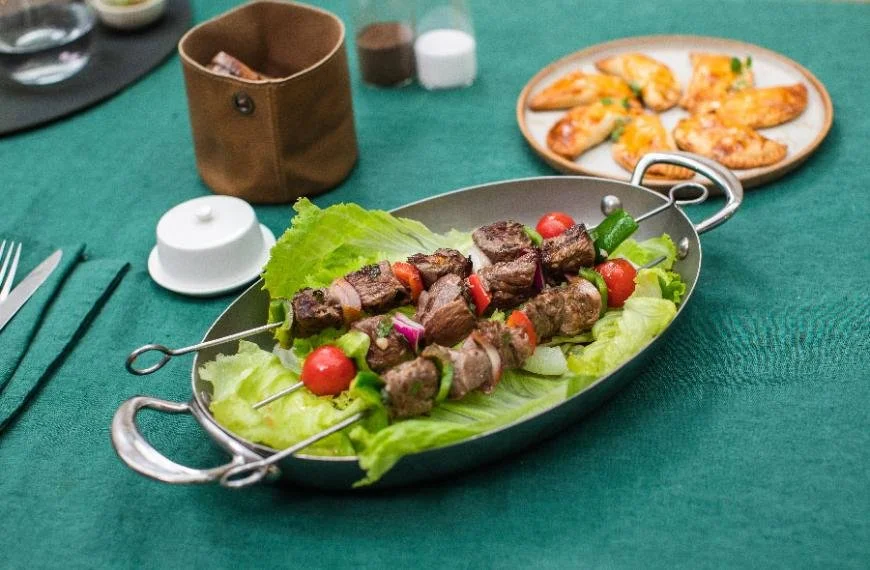
Garnish with fresh onion slices, sprinkle salt or chili powder, and serve with:
Fried plantains (alloco 🇨🇮)
Cassava fries (chikwangue 🇨🇩)
Fresh baguette 🇸🇳
How to Eat Like a Local
In Africa, brochettes are best enjoyed standing by the roadside, chatting with friends.
You might dip your skewer into spicy sauce, laugh, and say:
“C’est trop bon!” (This is too good!)
Or jokingly complain:
“Toi aussi, t’as pris les plus grosses!” (You took the biggest pieces!)
Every bite carries flavor, fire, and friendship.
Learn These French Phrases at the Grill
In Africa, brochettes are best enjoyed standing by the roadside, chatting with friends.
You might dip your skewer into spicy sauce, laugh, and say:
“C’est trop bon!” (This is too good!)
Or jokingly complain:
“Toi aussi, t’as pris les plus grosses!” (You took the biggest pieces!)
Every bite carries flavor, fire, and friendship.
FAQs
Q1: Can I use chicken instead of beef?
Yes, brochettes de poulet are just as popular. Marinate the same way, but grill for less time.
Q2: What makes African-style brochettes different from regular kebabs?
It’s all in the marinade, richer in spice, with tomato and mustard giving depth and color.
Q3: Can I make this in an oven?
Absolutely. Preheat to 220°C (425°F), bake for 20 minutes, and broil for 5 more to get that charred edge.
Q4: Are brochettes always spicy?
Not always. You can control the chili level. In some places, they’re mild but served with a separate hot sauce.
Q5: What’s the best drink to pair with it?
A cold Malta, beer, or ginger juice: the trio of Francophone street nights!

Closing Thought
Every Francophone city has its grill master, and every flame tells a story.
In Ouagadougou, they’ll say, “La braise, c’est la vie.”
(The grill is life.)
🔥 Because in the heart of the night, the glow of charcoal is more than heat; it’s community.