
Akwasidae and Awukudae: The Royal Festivals That Honor Ancestors Every Six Weeks
By: Chimdindu Ken-Anaukwu
Every six weeks in Kumasi, the streets fill with the sound of powerful drums, colorful processions, and thousands of people gathered to honor the ancestors. These are the Akwasidae and Awukudae festivals, the heartbeat of Asante royal tradition. They keep ancient customs alive while connecting the living, the dead, and those yet to come. In this guide, you will discover what these vibrant celebrations involve, the central role of the Asantehene, the food offerings like ɛtɔ, and how they continue to thrive in modern Ghana.
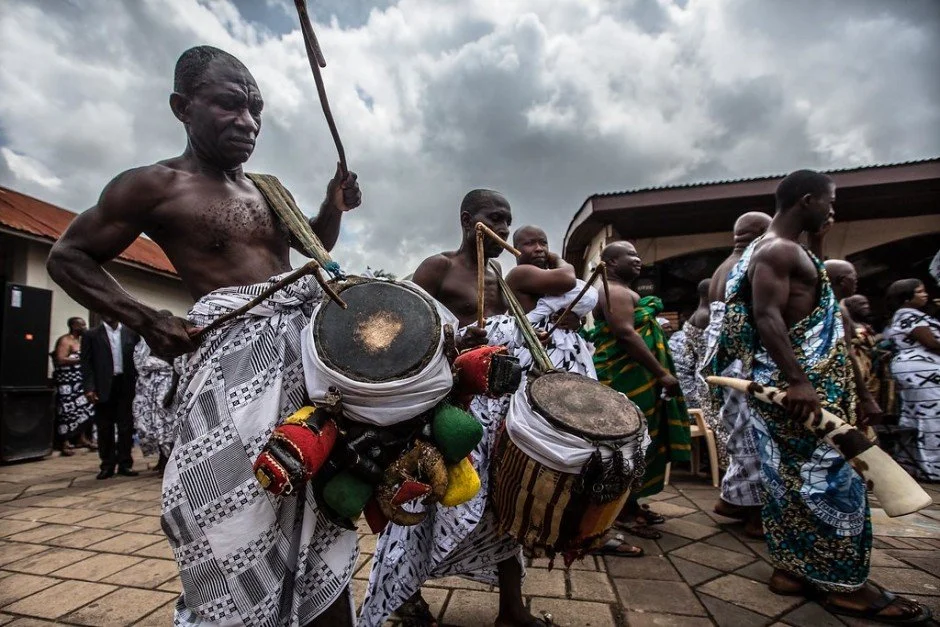
What Are Akwasidae and Awukudae?
Akwasidae and Awukudae are major festivals in the Asante (Ashanti) kingdom. They are sacred days dedicated to honoring the nsamanfo (ancestors) and strengthening the bond between the living and the spiritual world.
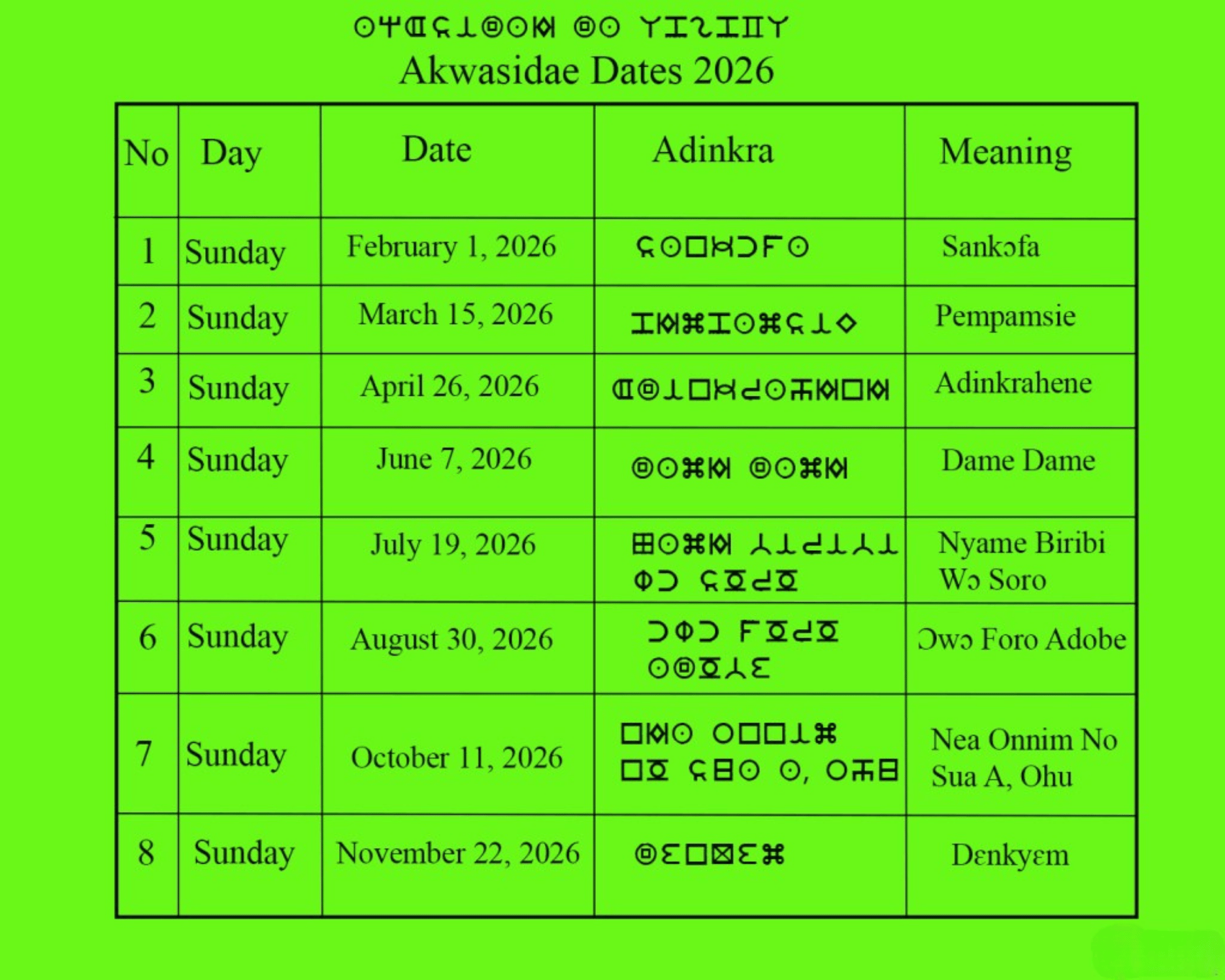
Akwasidae falls on a Sunday every six weeks, while Awukudae falls on a Wednesday. Both follow the traditional Akan 42-day cycle.
These are not ordinary events. They are royal and spiritual occasions where the Asante reaffirm their identity, unity, and connection to history.

The Cycle: Every Six Weeks in the Asante Calendar
The Akan calendar divides time into a 42-day cycle called adaduanan. Akwasidae and Awukudae mark the important points in this cycle.
Akwasidae is the bigger and more public festival. Awukudae is slightly smaller but equally meaningful.
This regular rhythm keeps the community focused on remembrance and gratitude. It ensures ancestors are never forgotten.
The Vibrant Atmosphere: Drumming, Dancing, and Golden Regalia
The festivals transform the Manhyia Palace area and parts of Kumasi into a spectacle of color and sound.
Large atumpan talking drums and other traditional drums send messages across the grounds. Dancers in beautiful kente cloth perform energetic moves that tell stories of bravery and heritage.
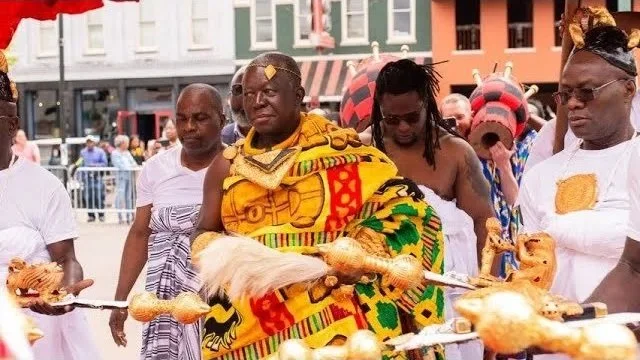
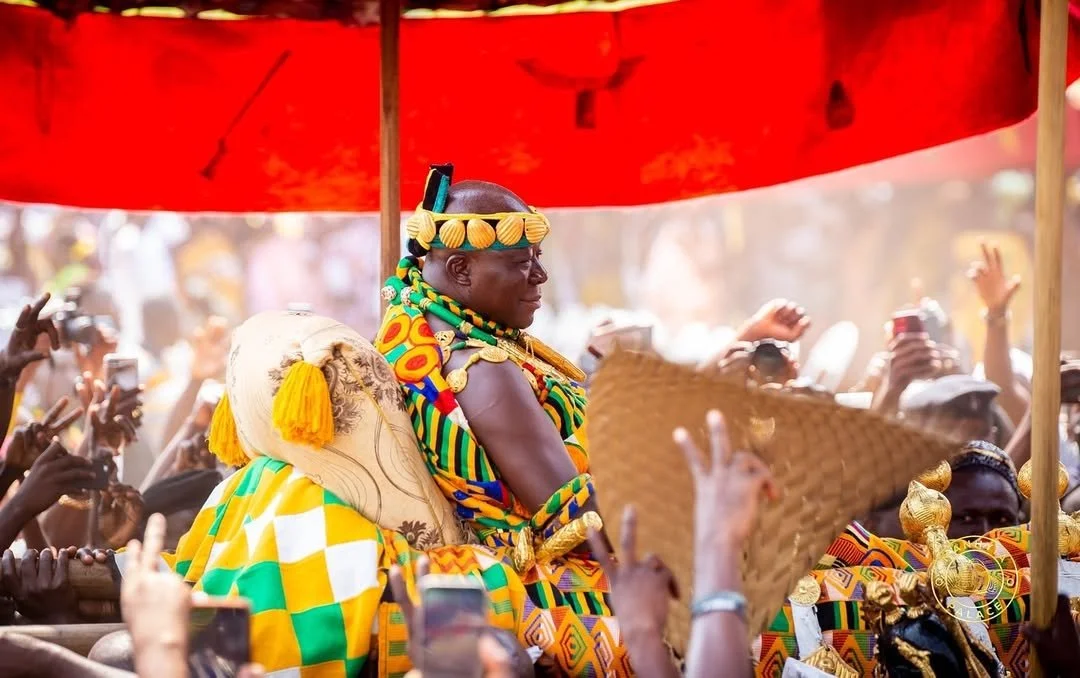
Chiefs and dignitaries arrive in stunning golden regalia. They wear heavy gold ornaments, crowns, and richly woven kente. The Asantehene appears under a large umbrella, carried in a palanquin or seated on a special dais.
The air fills with excitement, singing, and the rhythmic beat that makes your heart move with the drums.
The King’s Central Role
The Asantehene (current Otumfuo Osei Tutu II) is the heart of both festivals. He sits in state, receives homage from his chiefs, and performs key rituals.
He offers prayers and libations to the ancestors on behalf of the entire nation. His presence reminds everyone that the king is the custodian of Asante traditions and the link to the Golden Stool.
During the festival, sub-chiefs swear loyalty and report on their areas. The king gives blessings and guidance.

Food Offerings and Libations
Food plays a vital role. Offerings include ɛtɔ (mashed yam or plantain mixed with palm oil), fufu, and other traditional dishes.
These are presented to the ancestors first. Libations of schnapps or water are poured while prayers are said, asking for protection, prosperity, and peace.
After the spiritual part, the food is shared among the people, symbolizing unity and abundance.
How These Festivals Keep Ancient Traditions Alive Today
In modern times, Akwasidae and Awukudae have grown even larger. Thousands of locals and visitors attend.
The Asantehene uses the platform to address current issues while staying rooted in custom. Younger generations learn the dances, drum rhythms, and history by participating.
The festivals blend seamlessly with contemporary life. You will see smartphones recording alongside traditional regalia, yet the core spiritual purpose remains unchanged.
They strengthen Asante identity and teach respect for elders and ancestors in a fast-changing world.
FAQs About Akwasidae and Awukudae
What is the difference between Akwasidae and Awukudae?
Akwasidae is held on Sundays and is usually larger and more public. Awukudae is held on Wednesdays and is slightly smaller but equally important for ancestor veneration.
How often do these festivals occur?
Every six weeks, following the 42-day Akan adaduanan cycle.
What food is offered during the festivals?
Traditional dishes like ɛtɔ (mashed yam or plantain), fufu, and soups are offered to the ancestors before being shared.
Can visitors attend Akwasidae in Kumasi?
Yes. Many festivals are open to respectful visitors. Check with Manhyia Palace or local guides for dates and etiquette.
Why is the Asantehene so central?
He acts as the link between the living and the ancestors. His role maintains the spiritual and political unity of the Asante people.
Do these festivals still matter in modern Ghana?
Absolutely. They preserve history, promote unity, and pass cultural knowledge to new generations while adapting to contemporary life.
Conclusion
Akwasidae and Awukudae are living proof that Asante traditions remain strong. Through drumming, dancing, golden splendor, and sacred offerings, these festivals honor the past while guiding the future. They remind everyone that true strength comes from remembering where you come from.
If you want to experience more of this rich heritage or learn the Twi phrases used during the festivals, NKENNE is here to help. Our guides, audio lessons, and community bring Asante culture closer to you. Join us today. Medaase for reading. The drums are still calling.