
Abdilatif Abdalla: The Poet Who Wrote Resistance in Swahili From Prison
By: Yvonne Mag-usara
Independence does not always make criticism safe. In 1968, five years after Kenya gained independence, a young writer from Mombasa asked where his country was headed. His question, printed in Swahili, led to his imprisonment.
Abdilatif Abdalla wrote poetry during three years of confinement. Those poems became Sauti ya Dhiki, a collection that gives readers more than a record of political resistance. It shows how a person can draw on language, family teaching, and imagination when almost everything else has been taken away.
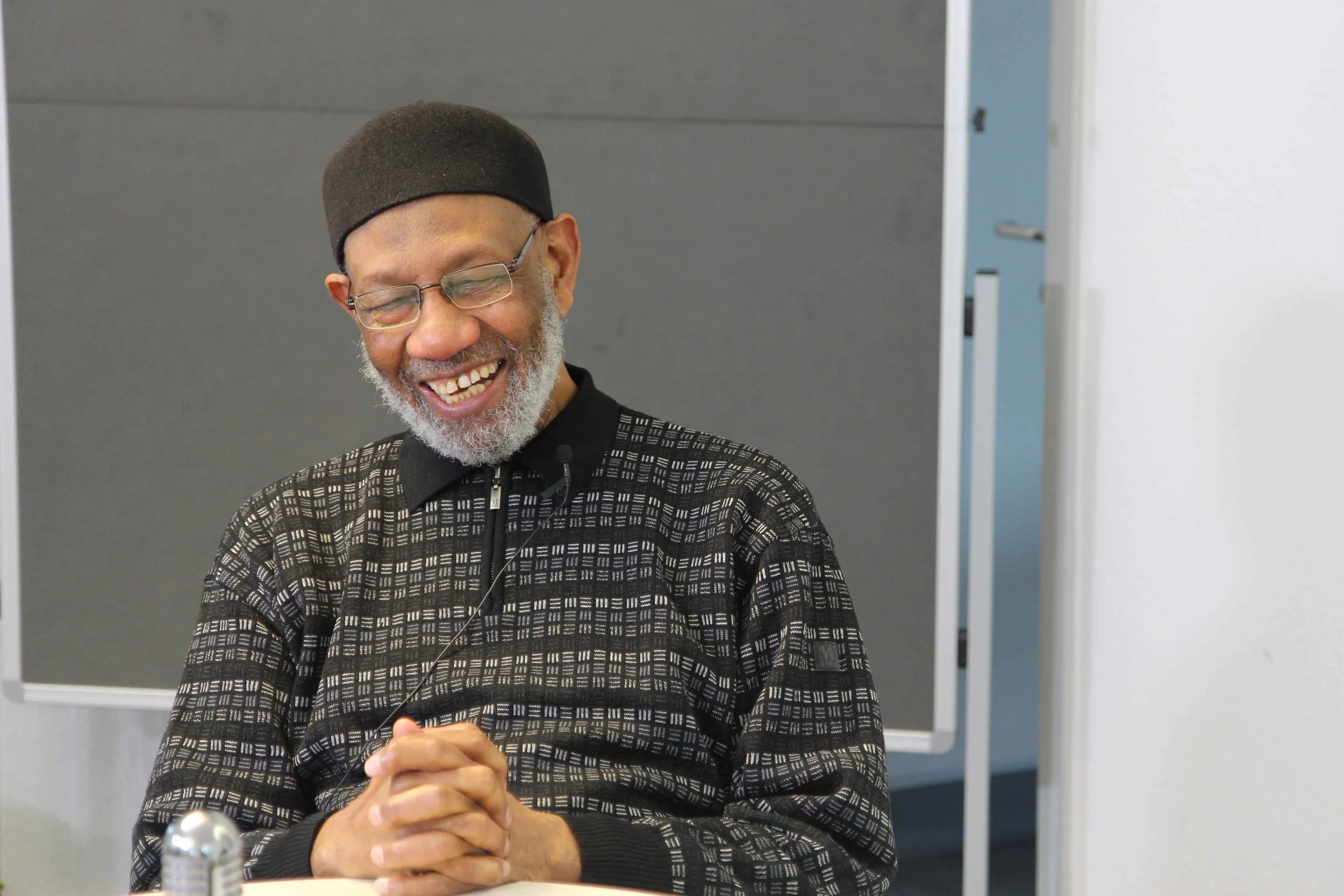
Credit: University of Bayreuth
Abdilatif Abdalla brought the language and poetic traditions of Mombasa into his writing about justice, confinement, and everyday life.
Who Is Abdilatif Abdalla?
Abdilatif Abdalla was born in Mombasa in 1946. Poetry was part of his upbringing. His great-uncle Ahmad Basheikh was a poet whose work Abdalla read before it was broadcast on local radio. His elder brother Ahmad Nassir was also a respected Swahili poet.
That background matters. Abdalla did not discover Swahili verse when he entered prison. He grew up hearing how a poem could carry an argument, hold an audience’s attention, and give careful shape to a difficult feeling.
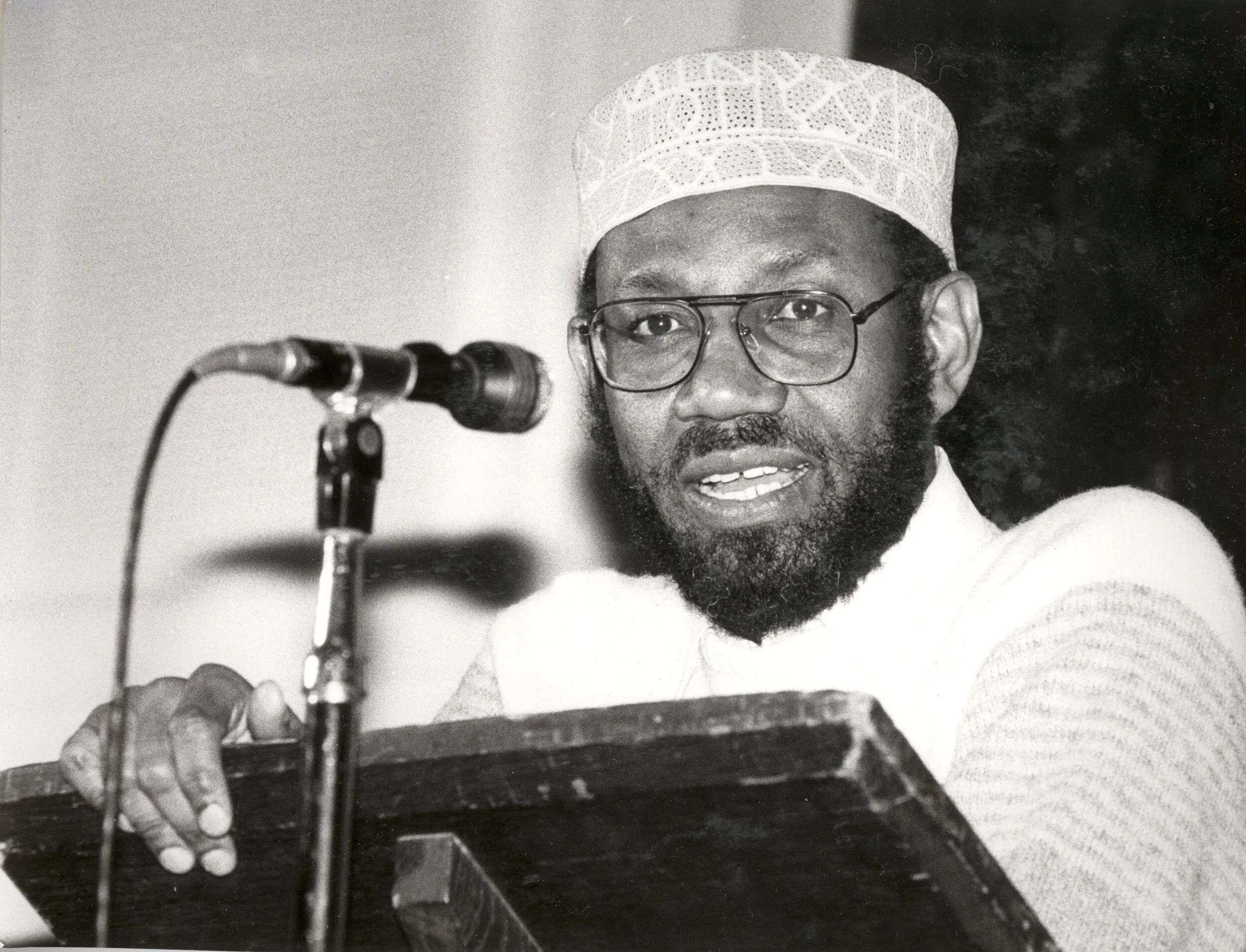
Credit: Wachanga Productions
Abdilatif Abdalla at a speaking engagement. His work joins Swahili poetry with a lifelong commitment to public expression.
The Question That Led to Prison
In 1968, Abdalla wrote Kenya: Twendapi?, meaning “Kenya: Where Are We Heading?” He was involved with the opposition Kenya People’s Union. The pamphlet challenged the government’s treatment of political opponents, particularly obstacles placed before opposition candidates in local elections.
It was written for Swahili readers, using the language of Mombasa with directness and wit. Copies circulated around the city. Abdalla was arrested in December 1968 and, after his trial, received a three-year sentence. He spent much of it in solitary confinement at Kamiti prison.
Writing Sauti ya Dhiki in Confinement
A prison guard supplied Abdalla with a small piece of pencil. He secretly wrote poems on toilet paper, and the writing was carried out of prison. After his release in 1972, the poems were published as Sauti ya Dhiki, or Voice of Agony, in 1973.
The title names distress, but the book does not stay with one emotion. Its poems consider injustice and endurance alongside loneliness, love, counsel, and domestic life. Abdalla was writing through the experience of imprisonment while still attending to a wider human world.
In one poem, Siwati!, the speaker insists on holding to a conviction despite threats. The word can be understood as “I will not give up.” Its force comes from the poem’s craft as well as its message.
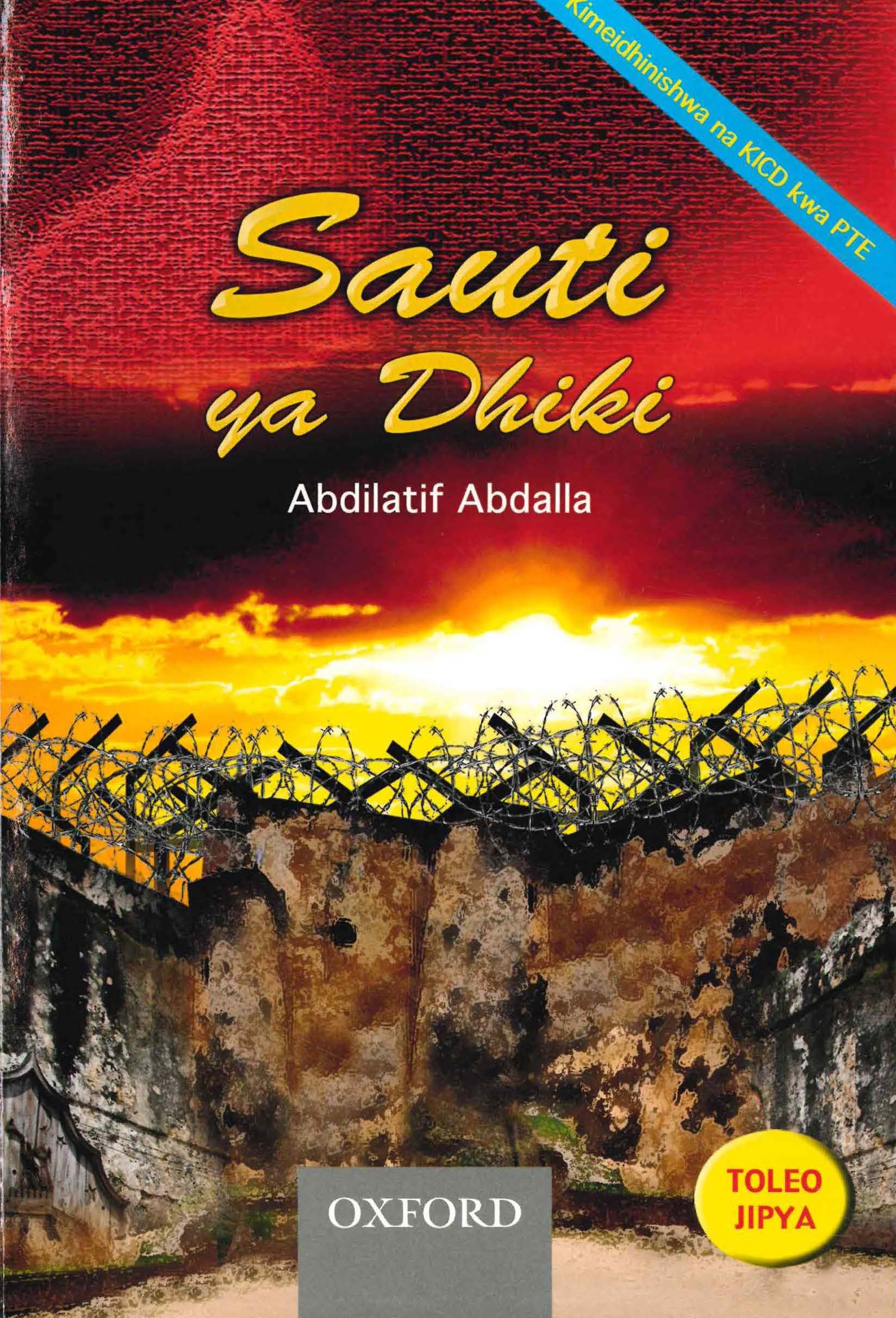
Credit: Sauti ya Dhiki by Abdilatif Abdalla; cover via Oxford University Press East Africa
First published in 1973, Sauti ya Dhiki brought poems written in confinement to Swahili readers beyond the prison walls.
Why His Swahili Matters
Abdalla draws on Kimvita, the Swahili variety spoken in Mombasa. His work shows that the language of his home could address national politics and carry intricate poetry. He used inherited forms while finding ways to speak about the pressures of his own time.
A few words open a path into his writing:
Sauti means “voice.”
Dhiki conveys distress or hardship.
Haki means “justice” or “right.”
Twendapi? asks, “Where are we going?”
Translations help a new reader enter the poems. Learning Swahili brings the reader closer to their sound, word choices, and connection to Mombasa. NKENNE’s article on Swahili coastal history offers a useful starting point for that setting.
A Literary Life Beyond Prison
Abdalla’s story continued after his release. He went to Tanzania, worked in Swahili research, and later worked in broadcasting and taught the language in Germany. Sauti ya Dhiki received the Kenyatta Prize for Literature in 1974, a striking turn for a book written by someone imprisoned under Kenyatta’s government.
His poems have reached another generation of readers through The Imaginative Vision of Abdilatif Abdalla’s Voice of Agony, published in 2024. The volume includes a complete literary translation by Ken Walibora Waliaula, edited by Annmarie Drury. It gives English readers an entry into the collection while returning attention to the Swahili work at its center.
How to Begin Reading His Work
Begin with the two titles: Kenya: Twendapi? asks a public question; Sauti ya Dhiki names a private experience that became public through poetry. Together, they show the writer addressing his country and making sense of confinement.
Then choose one poem and read it slowly, first in translation and, if possible, alongside the Swahili. Notice where a word repeats or a line returns to an idea. Ask what the speaker wants the listener to remember. You do not need to understand every word to begin hearing how the poem works.
FAQs
Why was Abdilatif Abdalla imprisoned?
He was prosecuted after writing and distributing Kenya: Twendapi?, a Swahili pamphlet criticizing the Kenyan government. Following his 1969 trial, his sentence was increased to three years.
Did Abdilatif Abdalla write Sauti ya Dhiki in prison?
Yes. He composed its poems during his imprisonment from 1969 to 1972. They were published as a collection after his release.
What does Sauti ya Dhiki mean?
The title is commonly translated as Voice of Agony. The collection contains poems about political and personal concerns, including injustice, loneliness, love, and endurance.
What language did Abdilatif Abdalla write in?
He wrote his best-known poetry in Swahili, drawing particularly on Kimvita, the Swahili variety associated with Mombasa.
Is Sauti ya Dhiki available in English?
Yes. A complete literary translation by Ken Walibora Waliaula was published in a 2024 volume edited by Annmarie Drury.
Conclusion
Abdalla’s poems survived because they were written, carried out, kept, and finally placed before readers. Each step depended on someone treating those words as worth preserving.
The years in prison shaped Sauti ya Dhiki, but they do not explain all of it. The collection also holds the language he learned in Mombasa, the poets who taught him, and his attention to lives beyond his own cell.
That is why reading Abdalla means listening to more than an account of resistance. It means hearing what Swahili poetry made possible for one writer, and what his work still makes possible for readers.
Learn Swahili Through Culture With NKENNE
With NKENNE, you can learn Swahili while exploring the coastal history, everyday expressions, and literary traditions that give its words meaning.
Start with a word you recognize. Then follow it into a conversation, a place, or a poem.
